The Allure of TV Vampires: From Seductive Bad Boys to Queer Icons
TV audiences are remarkably forgiving when a fictional character wields fangs and dons velvet. Take, for instance, the musical drama The Vampire Lestat, which achieved cult status in the US and has now arrived in the UK, with Sam Reid's powerful portrayal of Lestat captivating view
TV audiences are remarkably forgiving when a fictional character wields fangs and dons velvet. Take, for instance, the musical drama The Vampire Lestat, which achieved cult status in the US and has now arrived in the UK, with Sam Reid's powerful portrayal of Lestat captivating viewers.
Initially titled Interview With the Vampire, the first two seasons focused on Louis (Jacob Anderson) recounting his tumultuous relationship with Lestat to a journalist. The narrative has now shifted to Lestat, who abandons centuries of secrecy for the spotlight of glam-rock stardom, with a new title and narrator reflecting this change.
Reid drew inspiration from David Bowie's 1974 'Cracked Actor' tour for Lestat's stage persona, infusing him with a captivating blend of showmanship, magic, and mystery. Lestat embodies a magnificent "dandy of the underworld," commanding the stage with his fiddle playing and over-the-top songs. Adorned in glittery eyeshadow and ribboned pigtails, he bares his scarred chest to adoring fans, singing lyrics that juxtapose rockstar bravado with profound loneliness. Offstage, his life is a whirlwind of incestuous relationships, drug-laced blood, and provocative pronouncements like, "I carry with me an immortal erection."
This isn't the first time vampires have enthralled audiences. Alexander Skarsgård's breakthrough role as Eric Northman in True Blood showcased his alluring presence, while Lady Gaga's Countess in American Horror Story: Hotel proved bloodlust can be a high-fashion statement. The Vampire Diaries, Supernatural, and the cast of What We Do in the Shadows—despite their comedic buffoonery—all feature ridiculously attractive vampires. Even Claes Bang's portrayal in the BBC's Dracula was undeniably striking, and a brief vampire appearance in Community's "Horror Fiction in Seven Spooky Steps" episode had a character swooning over her bloodsucking suitor's newfound literary flair.
Why are we so drawn to them? Vampires represent ultimate freedom, power, immortality, and beauty, often embodying forbidden love. They act as a mirror to our own darker desires, serving as the perfect canvas for the toxic romantic tropes we secretly enjoy on screen, much like the persistent romantic leads in films like You've Got Mail or the chilling protagonist of You. With vampires as romantic figures, we embrace the "I can fix him" fantasy: what could be more alluring than a dangerous immortal who wreaks havoc but will ultimately kneel at your feet?
Consider Spike from Buffy the Vampire Slayer – the quintessential leather-clad bad boy redeemed by love. Then there's Angel, whose curse transforms him into a psychopathic monster after a moment of intense intimacy with Buffy, highlighting the dark side of passionate encounters.
Beyond the surface-level appeal of leather jackets and chiseled jawlines, there's a deeper symbolism. As explored in Agnes Hollyhock's 2024 book, Vampires: A Handbook of History & Lore of the Undead, gothic literature used vampires to challenge Victorian moral anxieties. In an era that suppressed non-normative intimacy, the vampiric bite symbolized forbidden desire, total surrender, and a rejection of societal norms.
Vampires defy heteronormative expectations, existing outside conventional timelines and societal structures. They eschew traditional family units and rigid gender roles, deriving power from aura and seduction. Lestat, in his flamboyant, powerful, and unapologetically queer persona, embodies this perfectly, explaining why his intense romance with Louis—and their unforgettable kiss-turned-murder scene—resonates so deeply. He has become an icon of sexual freedom, making his unconventional relationships, even with his turned mother, acceptable to audiences.
Is it the inherent danger, the eternal youth, or the promise of liberation from societal constraints? Whatever the reason, TV vampires are undeniably irresistible, and it's no wonder so many are eager for a taste of Lestat's allure.
Fresh materials — Society news

O2 Secures Landmark Deal for London Venue Naming Rights
O2 has signed a record contract, reportedly worth around £200 million, to keep its name on the London venue. This renewal marks the largest of its kind in UK history. The 10-year agreement will extend O2's association with the venue until at least 2038. This sponsorship now ranks as the s
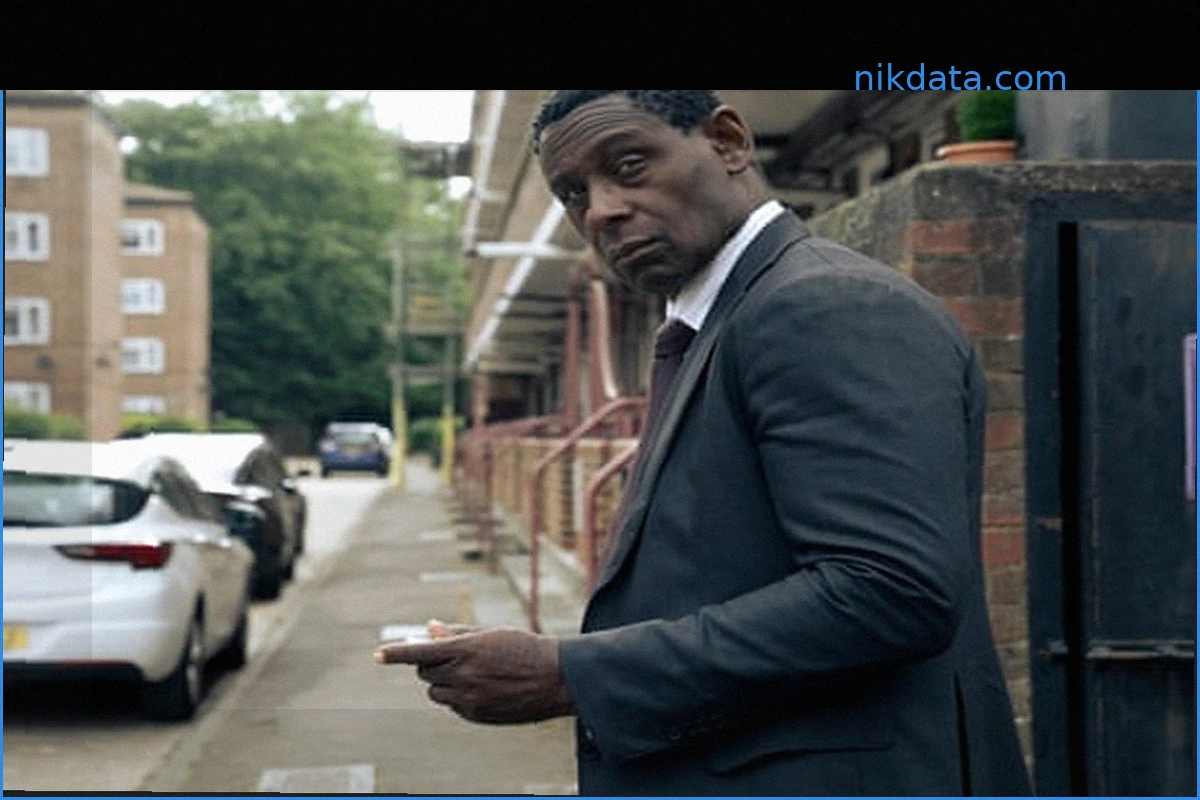
David Harewood's 'Pierre' Review: A Modern Noir Classic
David Harewood delivers a commanding performance in 'Pierre,' a London-set crime drama that has quickly established itself as a notable entry in the Black British crime genre. The series, co-written by acclaimed playwright Roy Williams and John Donnelly, hinges on Harewood's compellin
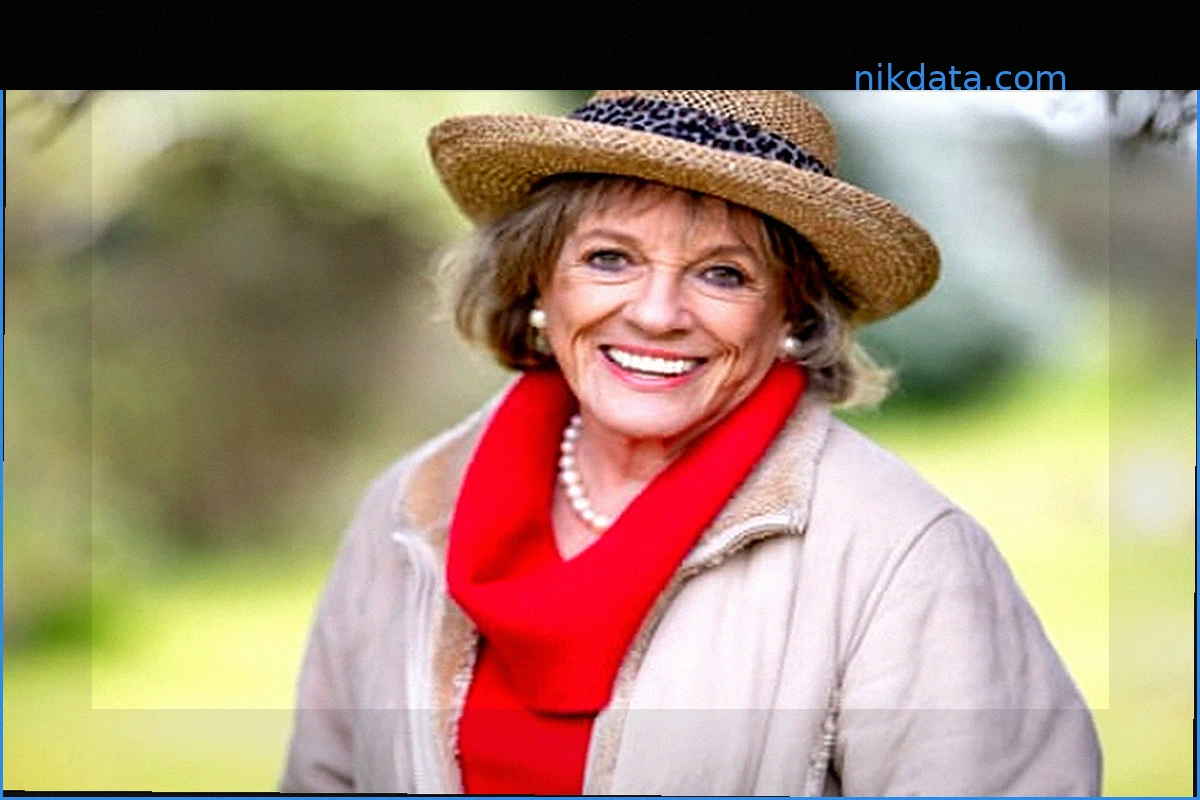
Esther Rantzen, TV Presenter and Childline Founder, Dies at 86
Esther Rantzen, the Bafta-winning television presenter and creator of the charity Childline, has died at 86. Her family described her as “the most wonderful mother” and “cherished grandmother,” whose “legacy of compassion and understanding will live on in her charities Childli

How Zach Cregger's Resident Evil Captures the Game's Essence
Some Resident Evil fans have voiced dissatisfaction online with Zach Cregger’s film adaptation, calling it "not a real Resident Evil movie." Yet, despite the absence of iconic heroes like Leon or Claire, familiar villains, and well-known settings, Cregger's interpretation stands out a
Questions for Michael Winterbottom
The 90s are currently in vogue, but they wouldn't have happened without the 80s. Michael Winterbottom's 2002 film, 24 Hour Party People, explores Manchester's music scene from the Sex Pistols' 1976 gig at the Lesser Free Trade Hall, through Factory Records, Joy Division, New Order, an
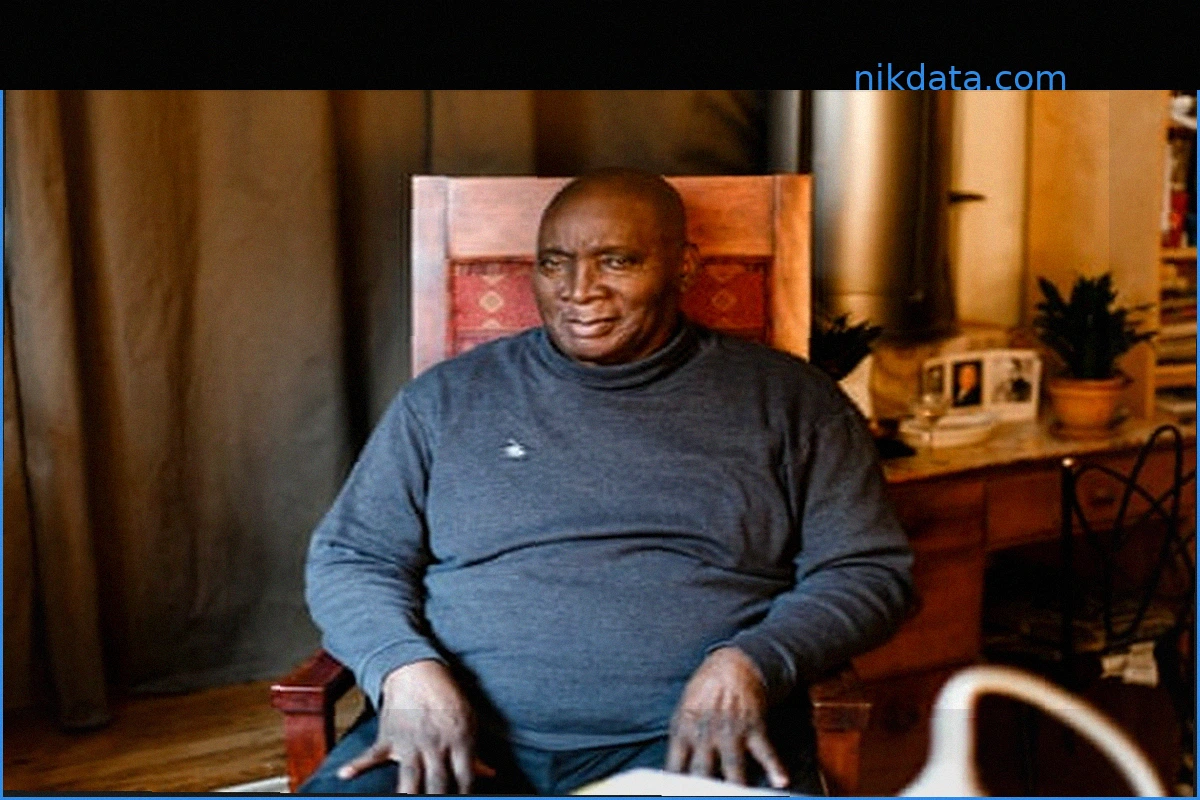
Mighty Sparrow, Trinidad and Tobago's 'Calypso King of the World,' Dies at 91
Slinger Francisco, known on stage as the Mighty Sparrow and hailed as the “calypso king of the world,” has died at 91. His family confirmed his peaceful passing surrounded by loved ones in New York on Sunday, stating it followed a brief illness. Francisco rose to prominence in calypso music