Korea review – a nirvana of wild beauty shattered by the 20th century
Can they replicate the success? The British Museum's blockbuster Bayeux Tapestry exhibition has set a high bar. Now, they follow with "Korea," an exploration of "2,000 years of creativity" from a land that, prior to the 20th century's hardships, experienced millennia of peace, as reflected in its art. Yet, this major exhibition carries a significant flaw: a beautiful, fractured vase, poorly pieced back together.
Initially, visitors are drawn into a world of serene beauty. An imposing bronze bell from an 8th-century Buddhist monastery, adorned with dragons, flames, and floral motifs, sets a contemplative tone. Its resonant sound, accompanied by the exhibition's soundtrack, invites introspection. The Buddhist period in Korean history is particularly captivating, where Indian religious thought and Chinese artistic influences merged to inspire exquisite handwritten scriptures and delicate statuettes of bodhisattvas.
Even before Buddhism's arrival, Korean artisans demonstrated remarkable ingenuity. Intricate stoneware from as early as the 5th century includes a striking horse on a circular base with a drinking horn, a functional yet wild piece of art. While ceramics originated in China, Korea developed them with unique originality. The Goryeo dynasty (918-1392), which unified the peninsula and established Buddhism as the state religion, produced superb courtly ceramics. Korean potters adopted celadon, a green-glazed stoneware from China's Zhejiang province, refining it into smooth, pale green bowls and vases that offer a sense of peace.
This skill in creating refined earthenware continued under the neo-Confucian Joseon dynasty, which ruled from 1392 until 1897. A standout piece from this era is an 18th-century moon jar, a large, white, nearly spherical vessel. Crafted by joining two hemispherical bowls, its impressive scale and geometry are captivating. The visible, imperfect seam, a detail valued in Korean culture, enhances its individuality and character.
However, this artistic spell is abruptly broken. The exhibition shifts suddenly and jarringly to lesser works from the early 20th century. Modern interpretations of traditional art sit uncomfortably alongside European and American-influenced modernism from the 1900s to the 1950s. This abrupt transition, skipping over the nuanced shifts from Buddhism to neo-Confucianism and their distinct aesthetics, causes the exhibition's narrative of Korean cultural history to unravel. It becomes merely a collection of objects.
In reality, the exhibition largely comprises the collection of Lee Kun-hee, the late chairman of Samsung, the exhibition's "corporate partner." While a commendable collection, featuring several national treasures now housed in South Korea's leading museums, it reflects the owner's personal tastes rather than an objective history of Korean art and beliefs. The exhibition offers little insight into modern Korean history; it lacks photographs, news reports, or popular imagery that could tell that story. Instead, it narrows its focus to elite art, which would be acceptable if presented simply as one collector's perspective.
The 20th century inflicted immense suffering on Korea. From 1910 to 1945, it endured Japanese colonial rule, a period unaddressed by the polite modern paintings displayed here. More attention is given to the Korean War, which claimed three million lives. A poignant pastel by Lee Jung-seop, depicting a fisherman returning to his family, captures an unfulfilled longing; the artist became a refugee during the war and never saw his family again. Another of his roughly drawn works shows bound naked figures, offering a chilling glimpse into the era's horrors.
This profound grief, chaos, and cultural loss – compounded by Korea's ongoing division – are only subtly acknowledged. What lingers is the memory of past harmony, a time when scholars and monks contemplated nature's beauty. Jeong Seon's 1751 ink-on-paper scroll, "Clearing After Rain on Mount Inwang," stands out for its glorious evocation of Korea's landscapes. This meter-wide vista offers a fresh, atmospheric encounter with nature: a dark mountain mass looms above, while trees are suggested by swift, moist blurs. It feels spontaneous, not idealized. One can only imagine what Jeong and his contemporary Thomas Gainsborough might have discussed.
Perhaps the exhibition's disjointed nature, failing to bridge past beauty with modern conflict, reveals a tragic truth. The final piece alludes to this. Do Ho Suh's 2019 self-portrait, now owned by the British Museum, portrays the artist as a small figure beneath a cascade of colorful threads descending from a floating image of a traditional Korean house. The grace of this world holds the viewer, and its vanishing feels like a personal loss, regardless of one's origin.
Fresh materials — Society news

Mighty Sparrow, Trinidad and Tobago's 'Calypso King of the World,' Dies at 91
Slinger Francisco, known on stage as the Mighty Sparrow and hailed as the “calypso king of the world,” has died at 91. His family confirmed his peaceful passing surrounded by loved ones in New York on Sunday, stating it followed a brief illness. Francisco rose to prominence in calypso music
Taylor Swift's "The Life of a Showgirl: The Encore": A Human Glimpse Amidst Bitter Love Songs
Taylor Swift's decision to release an expanded version of her album, "The Life of a Showgirl," titled "The Encore," has sparked speculation. Many fans believe it's a strategic move to influence Grammy voters or to disrupt chart records. This follows Swift's earlier statement that "

Ai Weiwei's 'Mushrooms': Art as a Question, Not Decoration
Deep in the Portuguese countryside, artist Ai Weiwei resides on a farm. He has recreated a vast replica of his former Shanghai studio, a space he describes as intentionally empty, a state many find difficult to accept. Ai Weiwei is unveiling his latest monumental work, "Mushrooms," the Ne

Original Aardman Puppets Fetch High Prices at Auction
Aardman Animations' beloved characters came under the hammer, with over 200 pieces, including puppets of Wallace, Gromit, Shaun the Sheep, and Chicken Run, going up for auction on Thursday. Fans had a chance to acquire unique memorabilia from the Bristol studio's popular productions. Amon
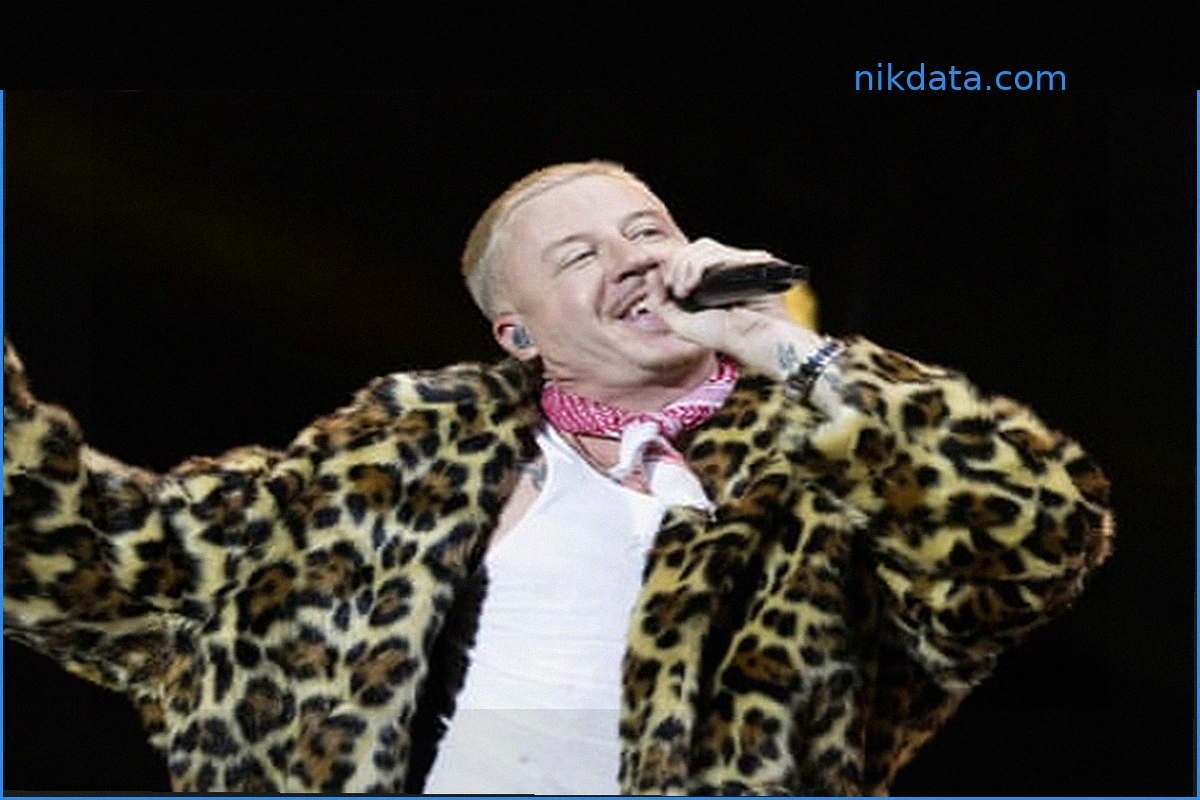
Macklemore Announces "Free Palestine" Tour to Benefit Humanitarian Aid Organizations
Macklemore is organizing a "Free Palestine" tour, a series of concerts featuring the US rapper and fellow musicians. The shows aim to raise funds for humanitarian causes in Palestine. This announcement follows Macklemore's exclusion from Ed Sheeran's US stadium tour. Macklemore had previo
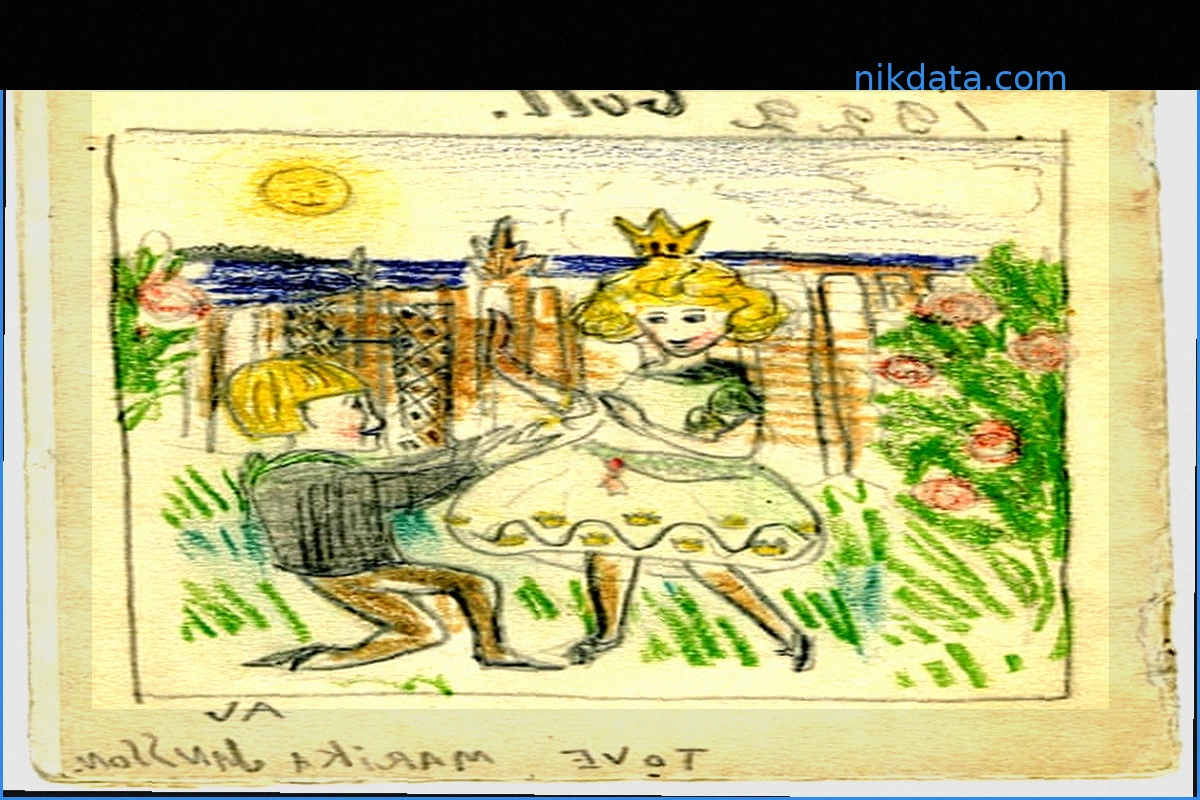
Unseen Drawings by Tove Jansson, Creator of the Moomins, to Feature in London Exhibition
Previously unseen drawings by Tove Jansson, the Finnish artist and writer behind the globally popular Moomin books, will be exhibited in London. The Moomins, described as lovable trolls with hippopotamus snouts who live in harmony with nature, have sold up to 30 million copies since Jansson cr