Phoebe Bridgers: High Priestess of Ambiguity Transforms Grief into Technicolor in Intimate Church Performance
Three days after the celebrated release of her third album, "Lost Weekend," Phoebe Bridgers brought an intimate concert experience to the Union Chapel in north London. The venue, accommodating 900 people, felt remarkably like her own bedroom. With Bridgers comfortably seated on a sofa adorned with throws, surrounded by lava lamps and a TV screen displaying a bouncing DVD logo screensaver, the imposing Victorian gothic architecture above was easily forgotten.
This deeply personal setting marked the indie superstar's highly anticipated first solo UK performance since 2022. The reverence within the church was palpable, with fans having conscientiously secured their phones in magnetic pouches. Many clutched CDs and T-shirts bearing the artwork of her new record, fidgeting in the pews. A hushed silence fell as Bridgers opened the show with a solo rendition of her breakout hit, "Motion Sickness," her voice soaring and echoing in the domed ceiling. She was later joined by her bandmates, Nick White and Christian Lee Hutson. Despite the solemnity, Bridgers, radiating a slightly nervous energy, characteristically broke through by encouraging the audience to sing and shout along, quipping, “God’s watching – fuckin’ freak.”
These moments of humor and audience participation served as essential emotional release valves, as the concert primarily focused on "Lost Weekend." This album delves deeply into the complex grief Bridgers feels for her father, who passed away in 2023. She describes the album as a vividly cathartic body of work, crafted by "scraping from the bottom of my guts." Musically, it's her most adventurous undertaking yet, featuring a captivating blend of ambient crackling, reminiscent of Grouper, and surreal, robotic vocoder effects. For this release show, however, Bridgers stripped down the songs to their core elements, featuring only two guitars, keyboards, harmonica, and occasional additions of percussion and ethereal effects.
In this spectral, minimalist arrangement, the songs were even more profound. The subtle yet potent anger in Bridgers' voice was evident as she sang, "Sometimes I want you back / But not today," on "Still Standing," a raw portrayal of her "complicated" relationship with her father. The song, along with others, touches upon his physical abuse of Bridgers’ mother. Similarly, the seething lyrics of "The Governor’s Waltz," which appears to allude to the dissolution of her engagement to Paul Mescal, sent a shiver through the congregation. Her words, delivered in near-whispers, carried an even greater emotional weight.
However, the performance wasn't solely hushed reverence. At times, stomping percussion reverberated through the venue, Bridgers manipulated her voice with effects, and Hutson delivered some of the most ominous harmonica playing heard on their rendition of "Kill Me." The album's title track, "Lost Weekend," evolved from a gentle ballad into a triumphant crescendo of strings, electronic textures, and disembodied voices.
Within the Union Chapel, the song's climax was amplified by UV lighting, casting an eerie glow on Bridgers’ blonde hair and the planetary imagery displayed behind her. While initially appearing incongruous, the effect soon lent a sense of uncanny understanding to the performance. Bridgers is often categorized as a creator of "sad songs," but her latest work unequivocally demonstrates the vast emotional landscapes within her songwriting. "Lost Weekend" portrays grief as a sharp, defining aspect of life—a period where past memories become intensely vivid, almost Technicolor, while the present feels like a distant haze. Emotions are simultaneously muted and amplified to an extreme. It is fitting, therefore, that on the first UK live presentation of these intricately layered songs, moments of humor and surrealism can be found even amidst profound sadness.
English Translation:
Phoebe Bridgers: High Priestess of Ambiguity Turns Grief Technicolor in Intimate Church Show
Three days after the rapturous release of her third album, "Lost Weekend," Phoebe Bridgers invited 900 people into her bedroom to hear her play some of its devastating songs live – or at least, that’s how it felt inside Union Chapel in north London on this Monday night. With Bridgers comfortably seated on a throw-covered sofa, surrounded by lava lamps and with a TV showing the bouncing DVD logo screensaver, it became easy to forget the Victorian gothic architecture looming above our heads.
This intimate scene was the indie superstar’s hugely anticipated first solo UK show since 2022, and the reverent awe in the church was palpable. Fans had obediently locked away their phones in magnetic pouches – as they will also have to on her arena run later this year – and fidgeted in the pews clutching CDs and T-shirts emblazoned with the artwork for her new record. You could hear a proverbial pin drop when Bridgers opened the show by belting her breakout song "Motion Sickness" solo with her guitar, her voice somersaulting around the domed ceiling. (After this, she was joined on stage by two bandmates, Nick White and Christian Lee Hutson.) But Bridgers, who hummed with a slightly nervous energy, characteristically pierced through any solemnity by encouraging us to scream and sing along as the gig rolled on. After all, she quipped: “God’s watching – fuckin’ freak.”
The jokes and the screams felt like necessary pressure-relief valves, as "Lost Weekend" took centre stage at this show. Focused primarily on the tangled knot of grief she felt for her father, who died in 2023, the album is a vividly cathartic body of work that, as Bridgers put it: “I really did scrape from the bottom of my guts.” It is also the artist’s most musically adventurous outing yet, cloaked in a bewitching fog of crackling ambience reminiscent of Grouper, and surreal, robotic vocoder. But for this release show, she dismantled the songs to their parts, with just two guitars, keys, harmonica, and the occasional addition of percussion and ghostly FX.
In this spectral, spare form, the songs were even more astounding. You could really hear the bristling, soft rage as Bridgers sang: “Sometimes I want you back / But not today,” on "Still Standing," an unflinching portrait of her “complicated” relationship with her dad. (This song and others referenced his physical abuse of Bridgers’ mother.) Likewise, the seething lyrics of "The Governor’s Waltz," which appeared to reflect on the breakdown of her engagement to Paul Mescal, seemed to send a shiver through the congregation. Her words cut even deeper when near-whispered.
But it wasn’t all quiet worship. At points, stomping percussion rose to the rafters, Bridgers used effects to contort and throw her voice, and Hutson played some of the most ominous harmonica ever heard on their rendition of "Kill Me." Then, of course, there was the album’s title track, which cracked open from a soft ballad into a triumphant clatter and swell of strings, electronic chatter, and disembodied voices.
In the Union Chapel, the song’s climax was highlighted with UV light, giving Bridgers’ blond bob and the images of planets hung behind her a creepy glow. At first, the effect was so incongruous to be almost funny – but then its uncanniness started to make sense. Bridgers is often described in shorthand as a purveyor of “sad songs,” but what her latest release proves more than ever is that her writing contains vast emotional worlds. On "Lost Weekend," she sketches grief as the sharpest edge of life: a time when your memories of the past feel so intense as to be Technicolor, and the present can feel like a distant fog; when emotions are both muted and turned up to 11. It made sense that on the first UK live outing for these deliciously complex songs, there was humour and surrealism to be found even in the devastating dark.
Fresh materials — Society news
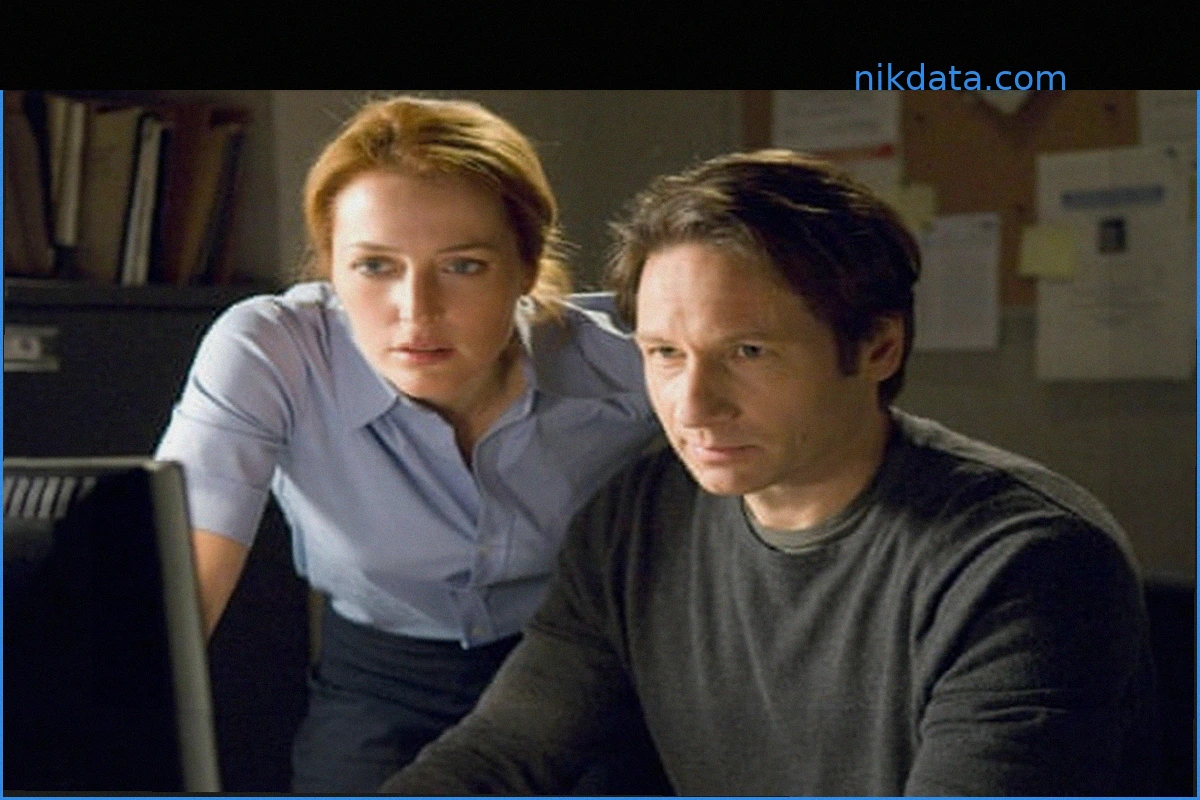
Chris Carter is mistaken if he thinks more gore will bring The X-Files: I Want to Believe back to life
While director's cuts are often lauded, "The X-Files: I Want to Believe – Vrach Frankenshteyn," a new version released on Disney+, is unlikely to change critical opinions of the original 2008 film. Director Chris Carter has emphasized the new version's graphic additions, b
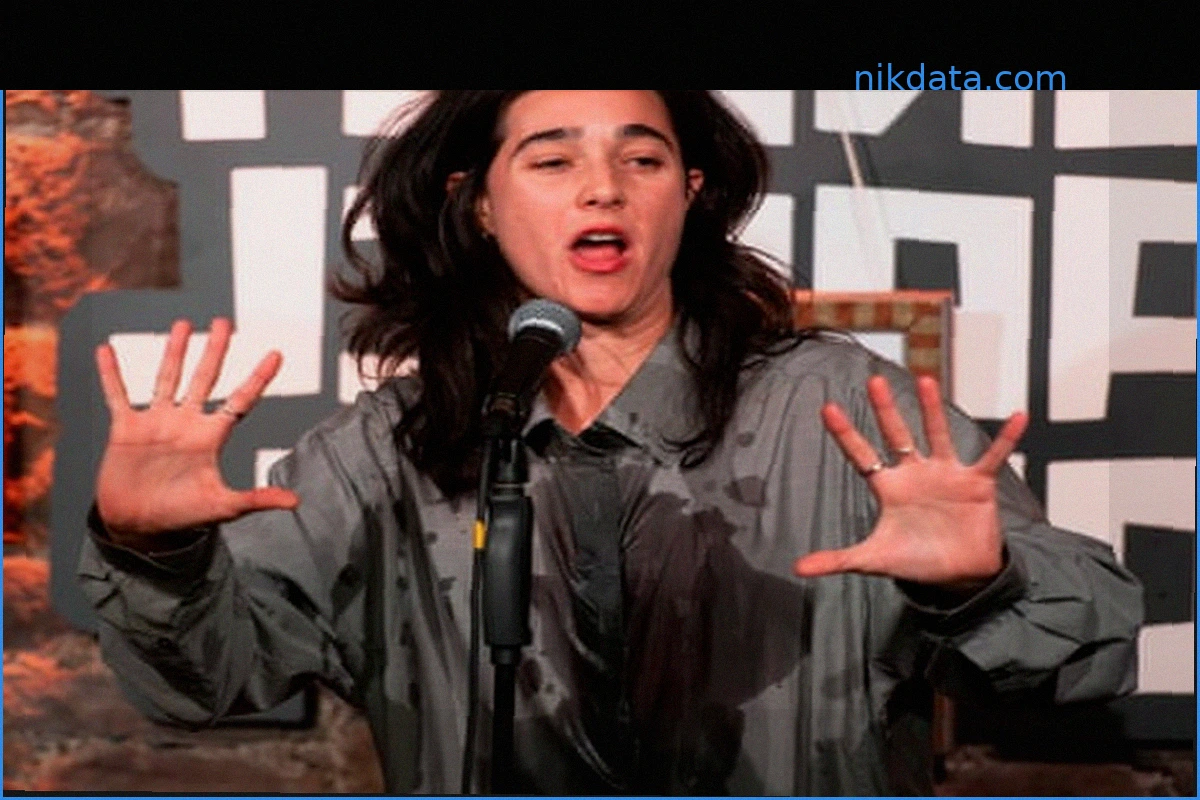
Lara Ricote: Inkling Review – This Fizzy Stand-Up’s Smart New Set is Her Best Yet
Lara Ricote delivers a rich and enjoyable show with "Inkling," a significant step forward from her already impressive early work. The Mexican-American comedian remains as endearing as ever, her drive to connect with the audience evident in a performance exploring how to decipher life's messages,
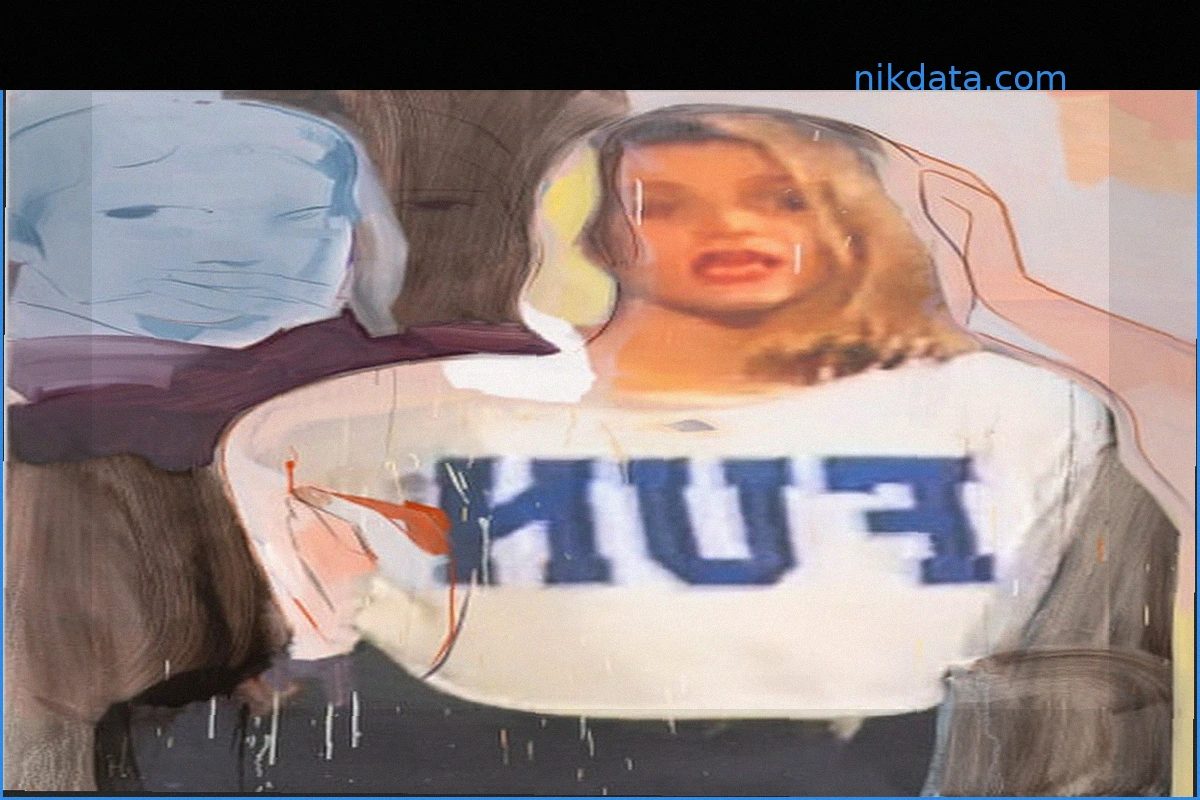
France-Lise McGurn: The Art of Embracing Life's Complexities
Artist France-Lise McGurn embraces the intricate nature of life, acknowledging that while parties are enjoyable, they eventually end. Her latest exhibition at Dundee Contemporary Arts, titled "The Charm Offensive," marks a significant expansion of her dynamic and vital paintings to an
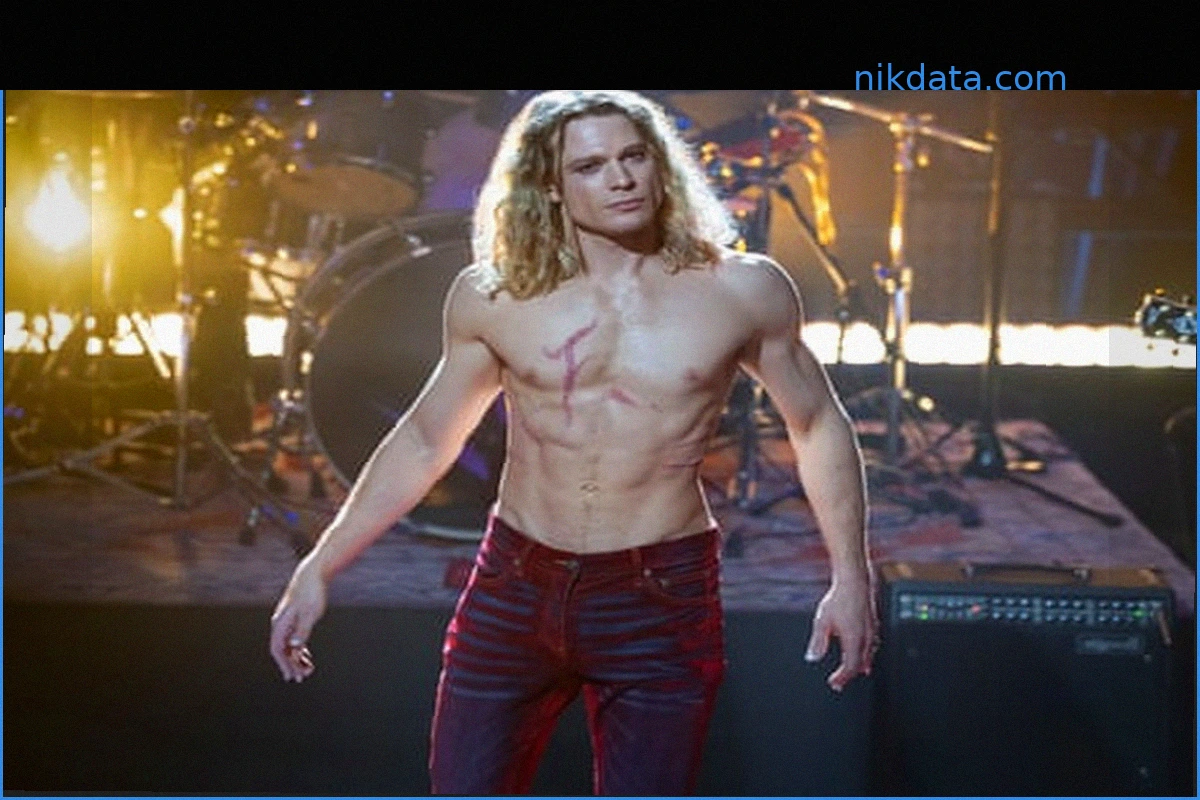
The Allure of TV Vampires: From Seductive Bad Boys to Queer Icons
TV audiences are remarkably forgiving when a fictional character wields fangs and dons velvet. Take, for instance, the musical drama The Vampire Lestat, which achieved cult status in the US and has now arrived in the UK, with Sam Reid's powerful portrayal of Lestat captivating view
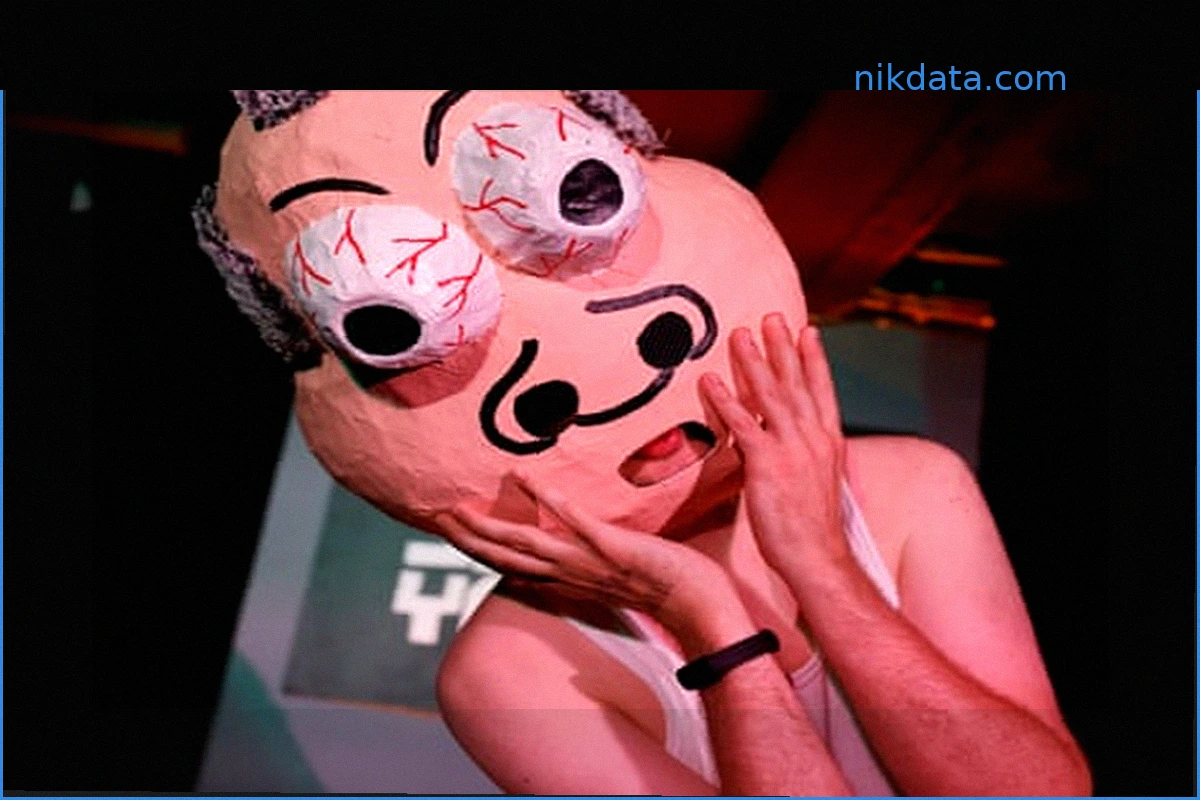
Sam Eley's Basil Crumbwick: A Hilarious, Cantankerous Cult Hit
Edinburgh's venues often host late-night cult favorites, reminiscent of past hits like Rob Kemp's mashup or Joe Kent-Walters' portrayal of Frankie Monroe. Sam Eley, in his role as Basil Crumbwick, bears a slight resemblance to Frankie Monroe, emerging as this year's potent
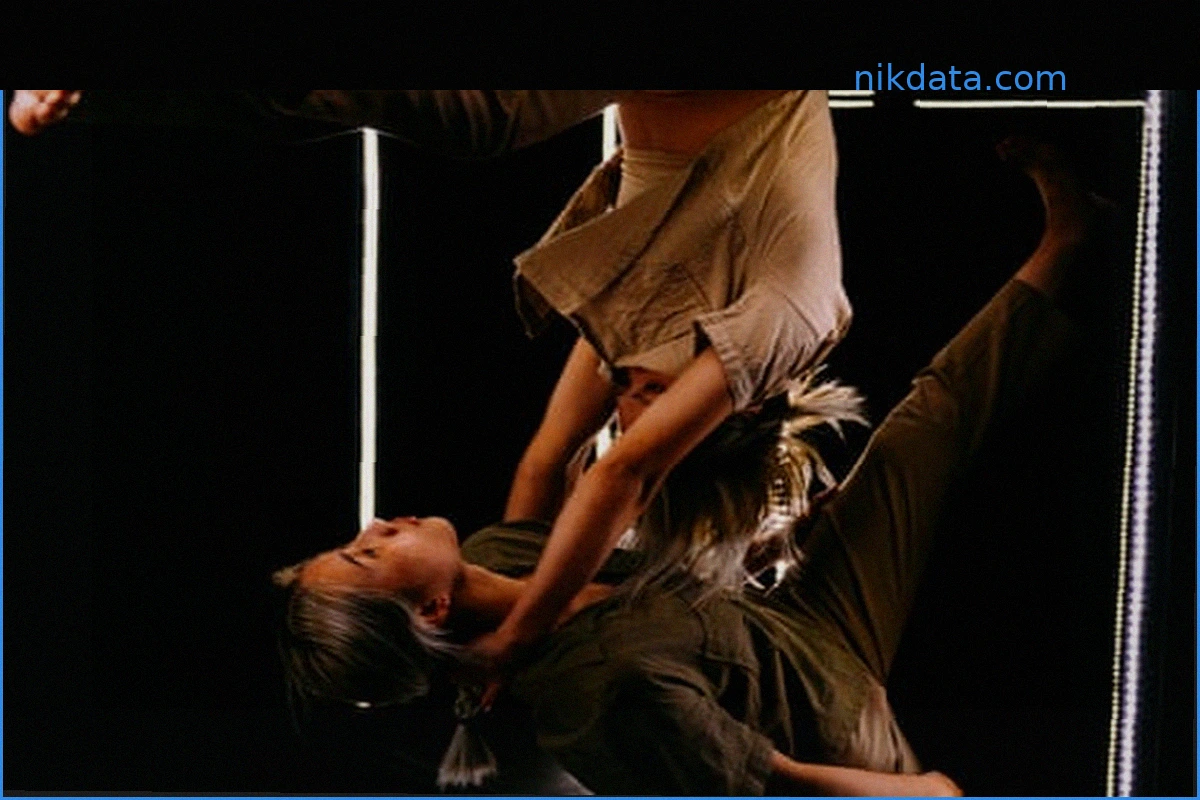
The Wall Review: Seed Dance Company's Haunting Exploration of Urban Connection and Isolation
Taiwan's Seed Dance Company, previously seen at the fringe in 2024 with the direct "Lost Connection," presents a similarly cool yet more enigmatic piece titled "The Wall." The performance utilizes two box-like structures that transform throughout the show, evoking apartments and various confin