Poetry's Resurgence: A Language for Chaotic Times
This year, poetry is experiencing its biggest sales surge on record, partly due to the unexpected popularity of cinematic adaptations. The release of a new film adaptation of Homer's *The Odyssey* has led to a significant spike in its sales, with UK print sales increasing by 1,400% in the weeks leading up to late July, and US sales up 76% year-to-date. While the film has undoubtedly boosted Homer's appeal, even without this "Odyssey effect," poetry is performing exceptionally well.
This resurgence is fueled by contemporary writers, often labeled "Instapoets" like Lucas Jones, whose work offers immediate, uplifting aphorisms. While this style may differ from the dense, intricate language of traditional poetry or the flowing narratives of epic verse, it resonates because it attempts to articulate feelings that everyday language cannot fully capture. Readers are clearly responding to this need for expression.
Sales figures, while indicative, only offer a superficial view. They don't convey the profound impact a good poem can have: the emotions it evokes, the memories it unlocks, or the sense of connection it fosters across time and space. Poetry can be a source of alienation or puzzlement, often resisting easy interpretation. Instead of dissecting it like a puzzle, it's more rewarding to immerse oneself in the sensations a poem creates. By its very nature, poetry expresses the inexpressible, offering a unique resistance that can snag the reader. In times of crisis, when conventional language fails to grasp the moment, feeling, or thought, poetry becomes essential.
Poetry is not a fringe pursuit; it's fundamental to human experience. Reporting from Ukraine has revealed that as catastrophe looms, poetry's importance intensifies. The most captivating poetry reading the author witnessed took place in the frontline city of Kharkiv, near the Russian border. There, a poet shared her experiences of scratching verses into the walls of a Russian prison cell, while the audience silently mouthed the words of writer Serhii Zhadan's poems as he performed them.
Lindsey Hilsum, a foreign correspondent with decades of experience covering wars and humanitarian crises, has long recognized this phenomenon. Her anthology, *I Brought the War with Me*, featuring poets from diverse backgrounds and eras alongside her own narratives, is a testament to this understanding. The poetry emerging from Gaza and from Palestinian poets worldwide, such as Haia Mohammed and Fady Joudah, serves as a powerful document of lives lived amidst devastation. This poetry is crafted with an urgency, vividness, and conciseness that other art forms struggle to match.
It is true, as Ukrainian poet Halyna Kruk stated in 2022, that "no metaphors work against a man with a machine gun... no poetry can save you from a tank." Similarly, writer Kateryna Iakovlenko observed that the poetry born from war is often asemic, stark, and etched into the landscape itself: "Ruins and abandoned houses, devastated forests, burnt land and roads carved up by tanks and armoured personnel carriers began to resemble letters and unwritten sentences."

Yet, with remarkable speed, and despite its inability to offer physical protection, poetry emerged in Ukraine after the full-scale invasion. It proved to be the most effective medium for grappling with the collapse of meaning brought on by the shock of violence, the feeling of time losing its significance, and the future being ripped away. Poems could be composed quickly, with minimal resources, even in challenging environments like shelters or trenches.
Novelist Victoria Amelina, tragically killed by a Russian bomb, shifted from writing novels—which are time-consuming and inherently contain time—to writing poetry. Some of her work deliberately defied its own poetic status, presenting itself as mere remnants of language shattered by conflict. Her poem, "Not Poetry," translated by Uilleam Blacker, starkly states: "But the reality of war / devours punctuation / plot structure / structure …"
Poems were also written at the front lines. Artur Dron', a young writer who served in the Ukrainian armed forces for over three years, focused not on bravado or heroism, but on creating small, poignant memorials for fallen comrades or capturing seemingly insignificant moments. One of his poems describes soldiers leaving a bag of "crushed Snickers bars / and tangerines" for a child in a village near the front line—a fleeting, unnewsworthy incident that became material for his poetry. Yaryna Chornohuz described her role as a soldier poet as the "documentation of feelings."
Amidst cataclysm, poems endure, often pared down to their most essential and universal forms: the lament for the dead, the lullaby for a child, the curse. These are fundamental human expressions that humans need—these songs, these poems. They serve as proof of life. While they may not always be remembered, poetry has a greater chance of survival than much of what humans create. They can become memorials more enduring than bronze.
Spanish Translation
Este año, la poesía está experimentando su mayor auge de ventas registrado, en parte debido a la inesperada popularidad de sus adaptaciones cinematográficas. El lanzamiento de una nueva adaptación cinematográfica de *La Odisea* de Homero ha provocado un aumento significativo en sus ventas, con las ventas de libros impresos en el Reino Unido aumentando un 1.400% en las semanas previas a finales de julio, y las ventas en EE. UU. aumentando un 76% hasta la fecha. Si bien la película sin duda ha impulsado el atractivo de Homero, incluso sin este "efecto Odisea", la poesía está funcionando excepcionalmente bien.
Este resurgimiento está impulsado por escritores contemporáneos, a menudo etiquetados como "Instapoetas" como Lucas Jones, cuyo trabajo ofrece aforismos inmediatos y edificantes. Si bien este estilo puede diferir del lenguaje denso e intrincado de la poesía tradicional o las narrativas fluidas de la épica, resuena porque intenta articular sentimientos que el lenguaje cotidiano no puede capturar completamente. Los lectores responden claramente a esta necesidad de expresión.
Las cifras de ventas, aunque indicativas, solo ofrecen una visión superficial. No transmiten el profundo impacto que un buen poema puede tener: las emociones que evoca, los recuerdos que desbloquea o la sensación de conexión que fomenta a través del tiempo y el espacio. La poesía puede ser una fuente de alienación o perplejidad, a menudo resistiendo la fácil interpretación. En lugar de diseccionarla como un rompecabezas, es más gratificante sumergirse en las sensaciones que crea un poema. Por su propia naturaleza, la poesía expresa lo inefable, ofreciendo una resistencia única que puede enganchar al lector. En tiempos de crisis, cuando el lenguaje convencional falla en captar el momento, el sentimiento o el pensamiento, la poesía se vuelve esencial.
La poesía no es una búsqueda marginal; es fundamental para la experiencia humana. Los reportajes desde Ucrania han revelado que a medida que se cierne la catástrofe, la importancia de la poesía se intensifica. La lectura de poesía más cautivadora que presenció el autor tuvo lugar en la ciudad de primera línea de Kharkiv, cerca de la frontera rusa. Allí, una poeta compartió sus experiencias de raspar versos en las paredes de una celda de prisión rusa, mientras la audiencia murmuraba en silencio las palabras aprendidas de memoria de los poemas del escritor Serhii Zhadan mientras él los recitaba.
Lindsey Hilsum, corresponsal extranjera con décadas de experiencia cubriendo guerras y crisis humanitarias, ha reconocido desde hace mucho tiempo este fenómeno. Su antología, *I Brought the War with Me*, que presenta poetas de diversos orígenes y épocas junto con sus propias narrativas, es un testimonio de esta comprensión. La poesía que surge de Gaza y de poetas palestinos de todo el mundo, como Haia Mohammed y Fady Joudah, sirve como un poderoso documento de vidas vividas en medio de la devastación. Esta poesía está elaborada con una urgencia, viveza y concisión que otras formas de arte luchan por igualar.
Es cierto, como afirmó la poeta ucraniana Halyna Kruk en 2022, que "ninguna metáfora funciona contra un hombre con una ametralladora... ninguna poesía puede salvarte de un tanque". Del mismo modo, la escritora Kateryna Iakovlenko observó que la poesía nacida de la guerra es a menudo asémica, cruda y grabada en el propio paisaje: "Ruinas y casas abandonadas, bosques devastados, tierras quemadas y caminos triturados por tanques y vehículos blindados comenzaron a parecerse a letras y frases sin escribir".
Sin embargo, con notable rapidez y a pesar de su incapacidad para brindar protección física, la poesía surgió en Ucrania después de la invasión a gran escala. Resultó ser el medio más eficaz para lidiar con el colapso del significado provocado por el shock de la violencia, la sensación de que el tiempo perdía su significado y el futuro era arrebatado. Los poemas podían componerse rápidamente, con recursos mínimos, incluso en entornos desafiantes como refugios o trincheras.
La novelista Victoria Amelina, trágicamente fallecida por una bomba rusa, pasó de escribir novelas —que consumen tiempo y contienen tiempo de forma inherente— a escribir poesía. Parte de su obra desafió deliberadamente su propio estatus poético, presentándose como meros vestigios de lenguaje destrozados por el conflicto. Su poema, "Not Poetry", traducido por Uilleam Blacker, afirma sombríamente: "Pero la realidad de la guerra / devora la puntuación / la estructura de la trama / la estructura ..."
También se escribieron poemas en las líneas del frente. Artur Dron', un joven escritor que sirvió en las fuerzas armadas ucranianas durante más de tres años, no se centró en la bravura o el heroísmo, sino en crear pequeños y conmovedores memoriales para camaradas caídos o en capturar momentos aparentemente insignificantes. Uno de sus poemas describe a los soldados dejando una bolsa de "barras de Snickers trituradas / y mandarinas" para un niño en un pueblo cerca del frente: un incidente fugaz, no noticioso, nada impresionante, nada para los libros de historia, pero que se convirtió en material para su poesía. Yaryna Chornohuz describió su papel como poeta soldado como la "documentación de sentimientos".
En medio del cataclismo, los poemas perduran, a menudo reducidos a sus formas más esenciales y universales: el lamento por los muertos, la canción de cuna para un niño, la maldición. Estas son expresiones humanas fundamentales que los humanos necesitan: estas canciones, estos poemas. Sirven como prueba de vida. Aunque no siempre se recuerden, la poesía tiene una mayor probabilidad de supervivencia que gran parte de lo que los humanos crean. Pueden convertirse en memoriales más duraderos que el bronce.
English Translation
This year, poetry is experiencing its biggest sales surge on record, partly due to the unexpected popularity of cinematic adaptations. The release of a new film adaptation of Homer's *The Odyssey* has led to a significant spike in its sales, with UK print sales increasing by 1,400% in the weeks leading up to late July, and US sales up 76% year-to-date. While the film has undoubtedly boosted Homer's appeal, even without this "Odyssey effect," poetry is performing exceptionally well.
This resurgence is fueled by contemporary writers, often labeled "Instapoets" like Lucas Jones, whose work offers immediate, uplifting aphorisms. While this style may differ from the dense, intricate language of traditional poetry or the flowing narratives of epic verse, it resonates because it attempts to articulate feelings that everyday language cannot fully capture. Readers are clearly responding to this need for expression.
Sales figures, while indicative, only offer a superficial view. They don't convey the profound impact a good poem can have: the emotions it evokes, the memories it unlocks, or the sense of connection it fosters across time and space. Poetry can be a source of alienation or puzzlement, often resisting easy interpretation. Instead of dissecting it like a puzzle, it's more rewarding to immerse oneself in the sensations a poem creates. By its very nature, poetry expresses the inexpressible, offering a unique resistance that can snag the reader. In times of crisis, when conventional language fails to grasp the moment, feeling, or thought, poetry becomes essential.
Poetry is not a fringe pursuit; it's fundamental to human experience. Reporting from Ukraine has revealed that as catastrophe looms, poetry's importance intensifies. The most captivating poetry reading the author witnessed took place in the frontline city of Kharkiv, near the Russian border. There, a poet shared her experiences of scratching verses into the walls of a Russian prison cell, while the audience silently mouthed the words of writer Serhii Zhadan's poems as he performed them.
Lindsey Hilsum, a foreign correspondent with decades of experience covering wars and humanitarian crises, has long recognized this phenomenon. Her anthology, *I Brought the War with Me*, featuring poets from diverse backgrounds and eras alongside her own narratives, is a testament to this understanding. The poetry emerging from Gaza and from Palestinian poets worldwide, such as Haia Mohammed and Fady Joudah, serves as a powerful document of lives lived amidst devastation. This poetry is crafted with an urgency, vividness, and conciseness that other art forms struggle to match.
It is true, as Ukrainian poet Halyna Kruk stated in 2022, that "no metaphors work against a man with a machine gun... no poetry can save you from a tank." Similarly, writer Kateryna Iakovlenko observed that the poetry born from war is often asemic, stark, and etched into the landscape itself: "Ruins and abandoned houses, devastated forests, burnt land and roads carved up by tanks and armoured personnel carriers began to resemble letters and unwritten sentences."
Yet, with remarkable speed, and despite its inability to offer physical protection, poetry emerged in Ukraine after the full-scale invasion. It proved to be the most effective medium for grappling with the collapse of meaning brought on by the shock of violence, the feeling of time losing its significance, and the future being ripped away. Poems could be composed quickly, with minimal resources, even in challenging environments like shelters or trenches.
Novelist Victoria Amelina, tragically killed by a Russian bomb, shifted from writing novels—which are time-consuming and inherently contain time—to writing poetry. Some of her work deliberately defied its own poetic status, presenting itself as mere remnants of language shattered by conflict. Her poem, "Not Poetry," translated by Uilleam Blacker, starkly states: "But the reality of war / devours punctuation / plot structure / structure …"
Poems were also written at the front lines. Artur Dron', a young writer who served in the Ukrainian armed forces for over three years, focused not on bravado or heroism, but on creating small, poignant memorials for fallen comrades or capturing seemingly insignificant moments. One of his poems describes soldiers leaving a bag of "crushed Snickers bars / and tangerines" for a child in a village near the front line—a fleeting, unnewsworthy incident that became material for his poetry. Yaryna Chornohuz described her role as a soldier poet as the "documentation of feelings."
Amidst cataclysm, poems endure, often pared down to their most essential and universal forms: the lament for the dead, the lullaby for a child, the curse. These are fundamental human expressions that humans need—these songs, these poems. They serve as proof of life. While they may not always be remembered, poetry has a greater chance of survival than much of what humans create. They can become memorials more enduring than bronze.
Fresh materials — Society news
Mighty Sparrow, Trinidad and Tobago's 'Calypso King of the World,' Dies at 91
Slinger Francisco, known on stage as the Mighty Sparrow and hailed as the “calypso king of the world,” has died at 91. His family confirmed his peaceful passing surrounded by loved ones in New York on Sunday, stating it followed a brief illness. Francisco rose to prominence in calypso music
Korea review – a nirvana of wild beauty shattered by the 20th century
Can they replicate the success? The British Museum's blockbuster Bayeux Tapestry exhibition has set a high bar. Now, they follow with "Korea," an exploration of "2,000 years of creativity" from a land that, prior to the 20th century's hardships, experienced millennia of peace, as refl
Taylor Swift's "The Life of a Showgirl: The Encore": A Human Glimpse Amidst Bitter Love Songs
Taylor Swift's decision to release an expanded version of her album, "The Life of a Showgirl," titled "The Encore," has sparked speculation. Many fans believe it's a strategic move to influence Grammy voters or to disrupt chart records. This follows Swift's earlier statement that "
Ai Weiwei's 'Mushrooms': Art as a Question, Not Decoration
Deep in the Portuguese countryside, artist Ai Weiwei resides on a farm. He has recreated a vast replica of his former Shanghai studio, a space he describes as intentionally empty, a state many find difficult to accept. Ai Weiwei is unveiling his latest monumental work, "Mushrooms," the Ne

Original Aardman Puppets Fetch High Prices at Auction
Aardman Animations' beloved characters came under the hammer, with over 200 pieces, including puppets of Wallace, Gromit, Shaun the Sheep, and Chicken Run, going up for auction on Thursday. Fans had a chance to acquire unique memorabilia from the Bristol studio's popular productions. Amon
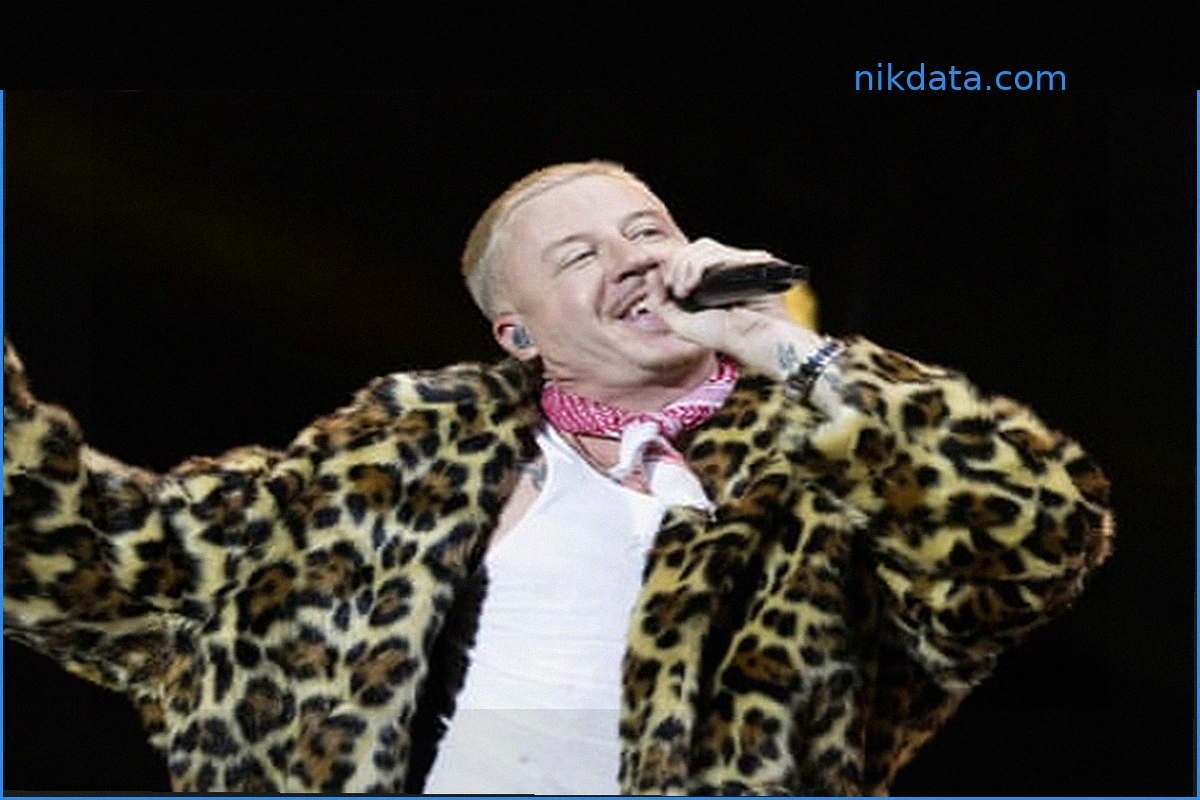
Macklemore Announces "Free Palestine" Tour to Benefit Humanitarian Aid Organizations
Macklemore is organizing a "Free Palestine" tour, a series of concerts featuring the US rapper and fellow musicians. The shows aim to raise funds for humanitarian causes in Palestine. This announcement follows Macklemore's exclusion from Ed Sheeran's US stadium tour. Macklemore had previo