Review: Edinburgh Fringe Dance Shows - Skill, Strength, and Emotion
For a display of sheer technical brilliance, consider attending the Edinburgh Fringe show "Dusk/Night/Dawn" by New York pole dancers Donna Carnow and Gina Alm. These performers are astonishing, utilizing a single suspended pole to climb, spin, and balance with apparent effortlessness. They contort their bodies into breathtaking shapes, moving as if swimming and spiraling through the shadows in a truly captivating manner.
What they showcase is an absolute mastery of their craft, particularly Carnow, a former dancer and US Pole Art champion. Their movements are incredibly fluid, belying the immense strength required. The physics involved are so perfectly executed that the audience is drawn into the flow, unaware of the technical complexities. This is the hallmark of a great performer, and "Dusk/Night/Dawn" delves into the very nature of performance. At one point, their bodies writhe under a flashing red light, coated in black paint, only to have the lights suddenly illuminate them as they wipe themselves clean, signaling the end of an act. The show raises intriguing questions about the blurring lines between the personal and the performative, the essence of fantasy, and the empowering discovery of one's own physical capabilities, all underscored by immense talent.
Technical skill manifests in various forms, some quite unexpected. French dancer Sofiane Chalal often elicits gasps when he takes the stage. "They go, 'Huh! He's fat! He can't dance!'" Chalal shares in his show, "Bigger." He acknowledges his size, a lifelong characteristic, but also his consistent passion and ability as a dancer. He moves with power and precision, his arms cutting swiftly through sharp, stop-start poses. Chalal dances with a drive to prove himself and a desire to entertain, citing Charlie Chaplin and Laurel and Hardy as inspirations beyond hip-hop. While the 35-minute piece currently feels like a series of party pieces, thoughtful voiceovers hint at deeper potential. A particularly poignant section explores Chalal's preoccupation with not spilling food on himself, a judgment he faces that a slimmer person might not, offering a thought-provoking glimpse into societal perceptions.
A significant portion of the Fringe program features international acts, and this year's São Paulo showcase includes "Border Bodies" by choreographer Igor Gasparini and his company TF Cia de Dança. This is a piece that allows for a degree of audience disengagement without being detrimental. It's contemporary, driven by mood, energy, pulse, and flow, accompanied by a gradually evolving percussion-driven soundtrack. The performance builds slowly for eight dancers, transitioning from strained, static poses and the sense of people under duress to the gradual uncoiling of joints and the emergence of organic waves of movement. While not in unison, the dancers are unified by a shared rhythm and a common center of gravity. The theme of connection across diversity is powerfully conveyed by the company. Although the movement itself may become less engaging after a while, the piece culminates in something substantial, offering a sense of release through its sweaty, exhausted finale and a palpable sense of togetherness that extends to the audience.
In contrast to peaceful introspection, "Everybody's Got a Bomb" erupts into unbridled anger and violence partway through, featuring a staged throat-cutting, primal screams, wrestling, shoving, and a general railing against the world. Elsewhere in the program, some dance pieces are somewhat restrained and could benefit from more raw, explosive energy. Choreographer Riley Fitzgerald, a former dancer with Sydney Dance Company and Ballet National de Marseille, clearly possesses creative ideas and ambition but has yet to fully refine his artistic voice.
Swedish acrobats Axel Ahl and Sara Sanchez Runsten of the company Below Zero explore their own disagreements and grievances in a much gentler fashion in their supremely delicate show "Pace," which offers several lovely moments. Their hand-to-hand acrobatics are built on simple physical connections, but a particularly effective sequence depicts the couple losing touch, plagued by petty annoyances and miscommunication. At one point, she throws herself at him, and he fails to catch her. Fortunately, they manage to resolve their issues.
Chicago circus company Aloft presents "The Pieces," featuring a compelling concept and engaging props. Each of the six performers has a metal ladder. Individually, the ladders are unstable, but when combined, they gain stability, allowing for the construction of impressive structures. The metaphor for cooperation and community is overt but effective, highlighted by a striking moment where the ladders form a giant wave shape, with an acrobat riding its peak. Despite these strengths, the overall result is somewhat underwhelming, further hampered by its electronic score. While pleasant, it lacks a truly wow factor.
Fresh materials — Society news
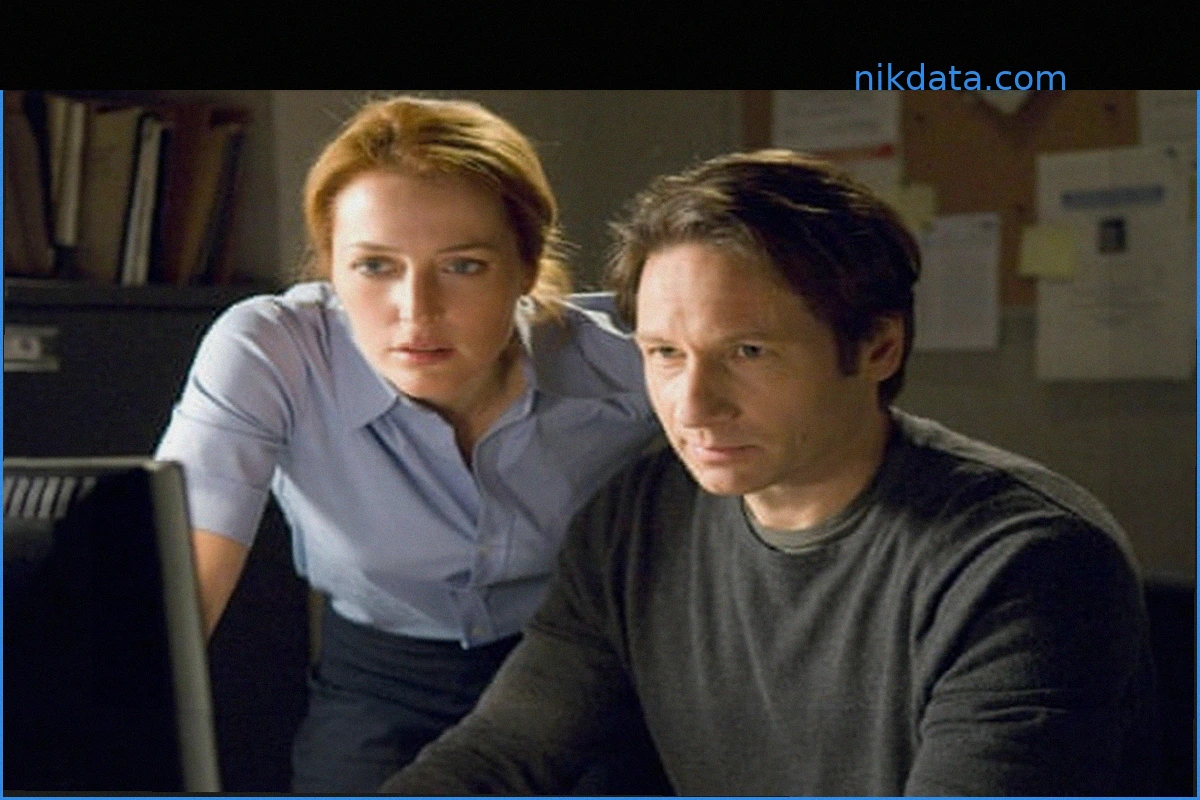
Chris Carter is mistaken if he thinks more gore will bring The X-Files: I Want to Believe back to life
While director's cuts are often lauded, "The X-Files: I Want to Believe – Vrach Frankenshteyn," a new version released on Disney+, is unlikely to change critical opinions of the original 2008 film. Director Chris Carter has emphasized the new version's graphic additions, b
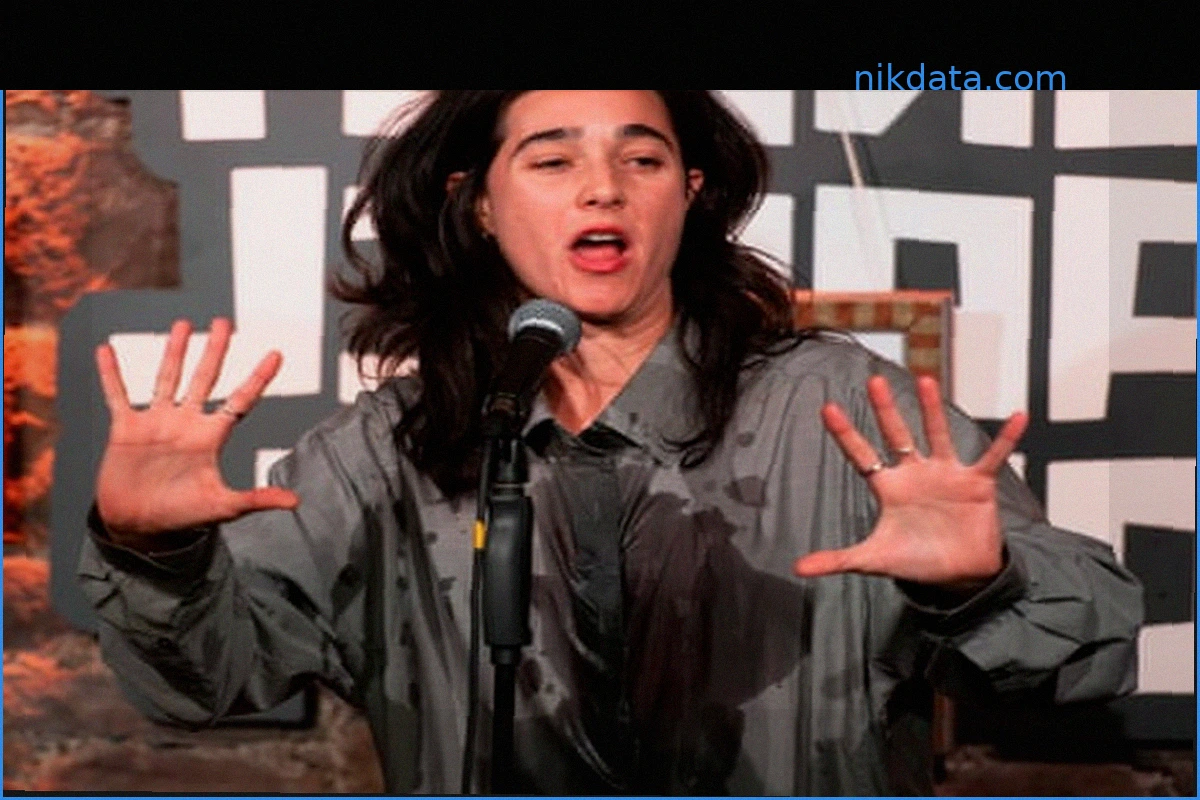
Lara Ricote: Inkling Review – This Fizzy Stand-Up’s Smart New Set is Her Best Yet
Lara Ricote delivers a rich and enjoyable show with "Inkling," a significant step forward from her already impressive early work. The Mexican-American comedian remains as endearing as ever, her drive to connect with the audience evident in a performance exploring how to decipher life's messages,
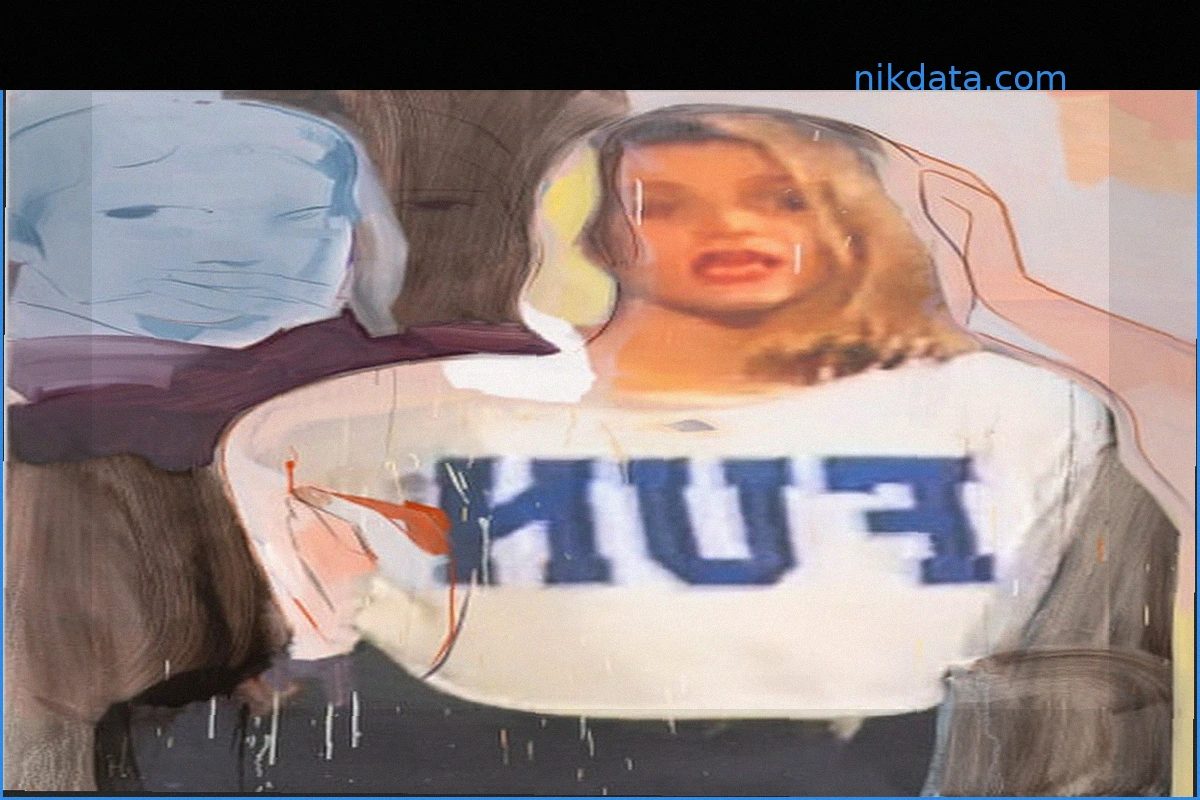
France-Lise McGurn: The Art of Embracing Life's Complexities
Artist France-Lise McGurn embraces the intricate nature of life, acknowledging that while parties are enjoyable, they eventually end. Her latest exhibition at Dundee Contemporary Arts, titled "The Charm Offensive," marks a significant expansion of her dynamic and vital paintings to an
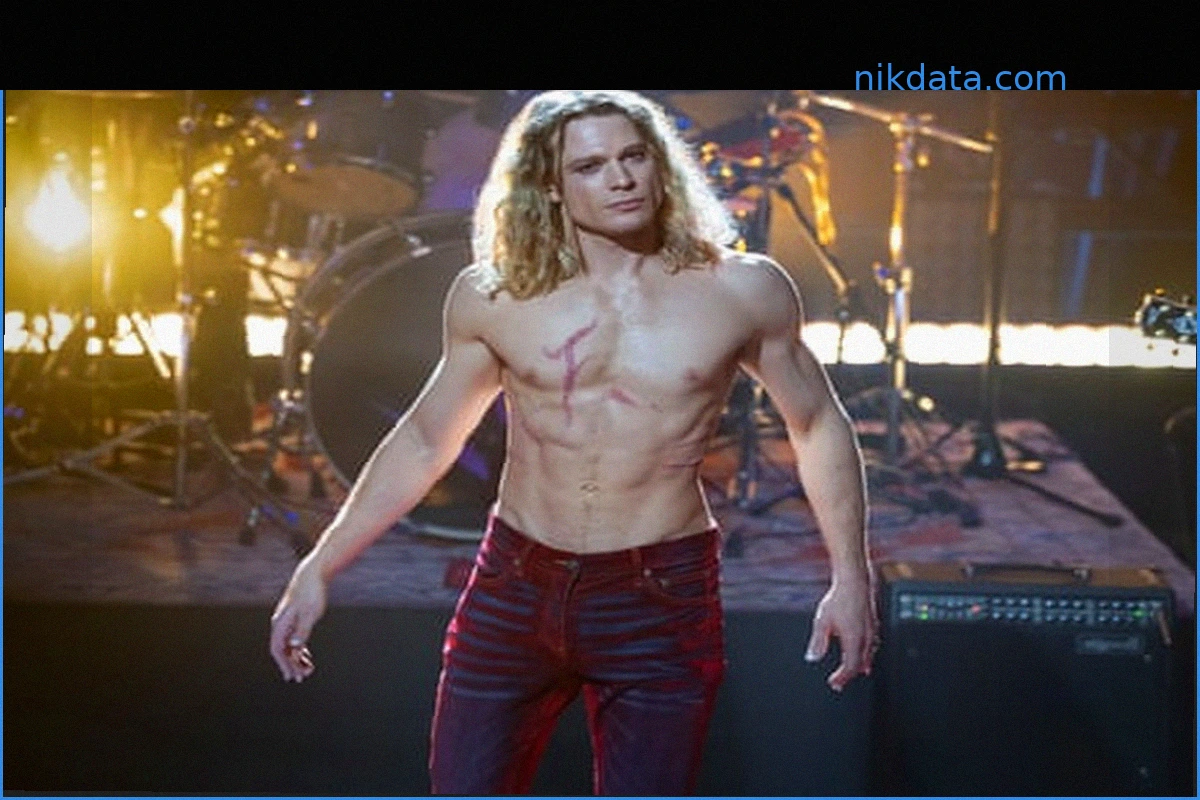
The Allure of TV Vampires: From Seductive Bad Boys to Queer Icons
TV audiences are remarkably forgiving when a fictional character wields fangs and dons velvet. Take, for instance, the musical drama The Vampire Lestat, which achieved cult status in the US and has now arrived in the UK, with Sam Reid's powerful portrayal of Lestat captivating view
Sam Eley's Basil Crumbwick: A Hilarious, Cantankerous Cult Hit
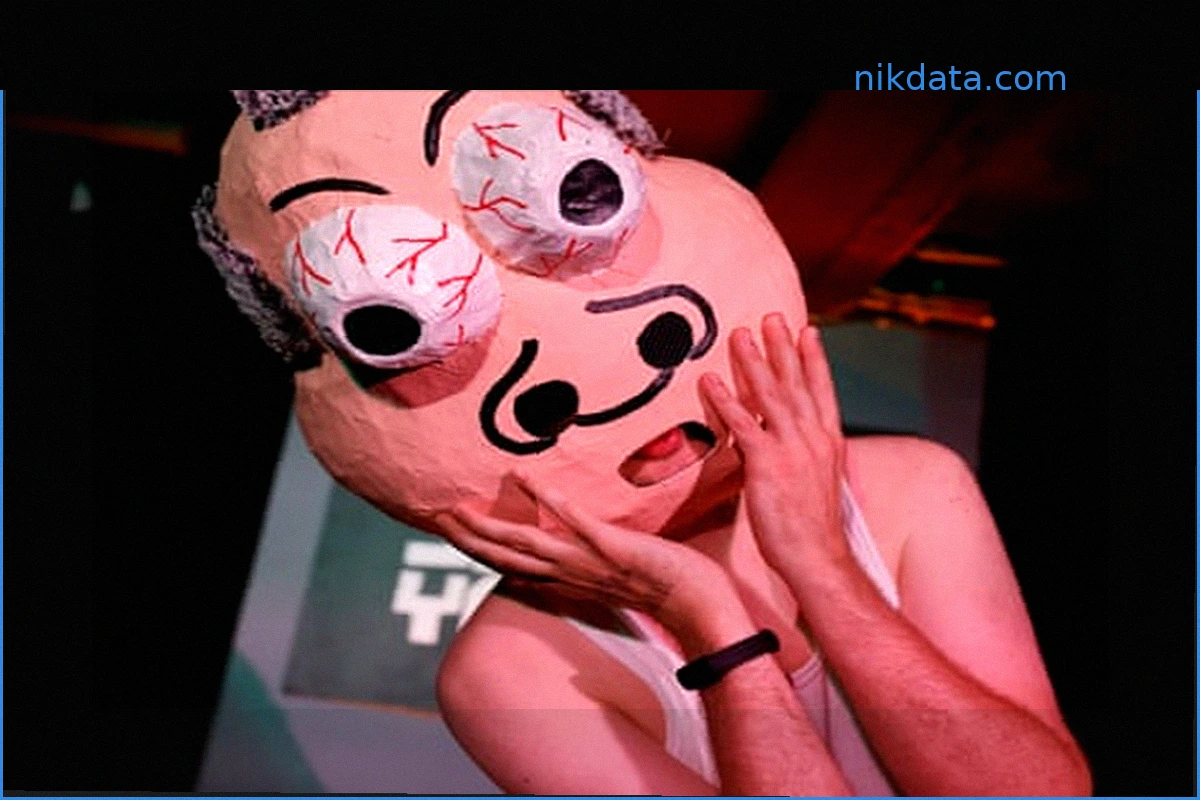
Edinburgh's venues often host late-night cult favorites, reminiscent of past hits like Rob Kemp's mashup or Joe Kent-Walters' portrayal of Frankie Monroe. Sam Eley, in his role as Basil Crumbwick, bears a slight resemblance to Frankie Monroe, emerging as this year's potent
The Wall Review: Seed Dance Company's Haunting Exploration of Urban Connection and Isolation
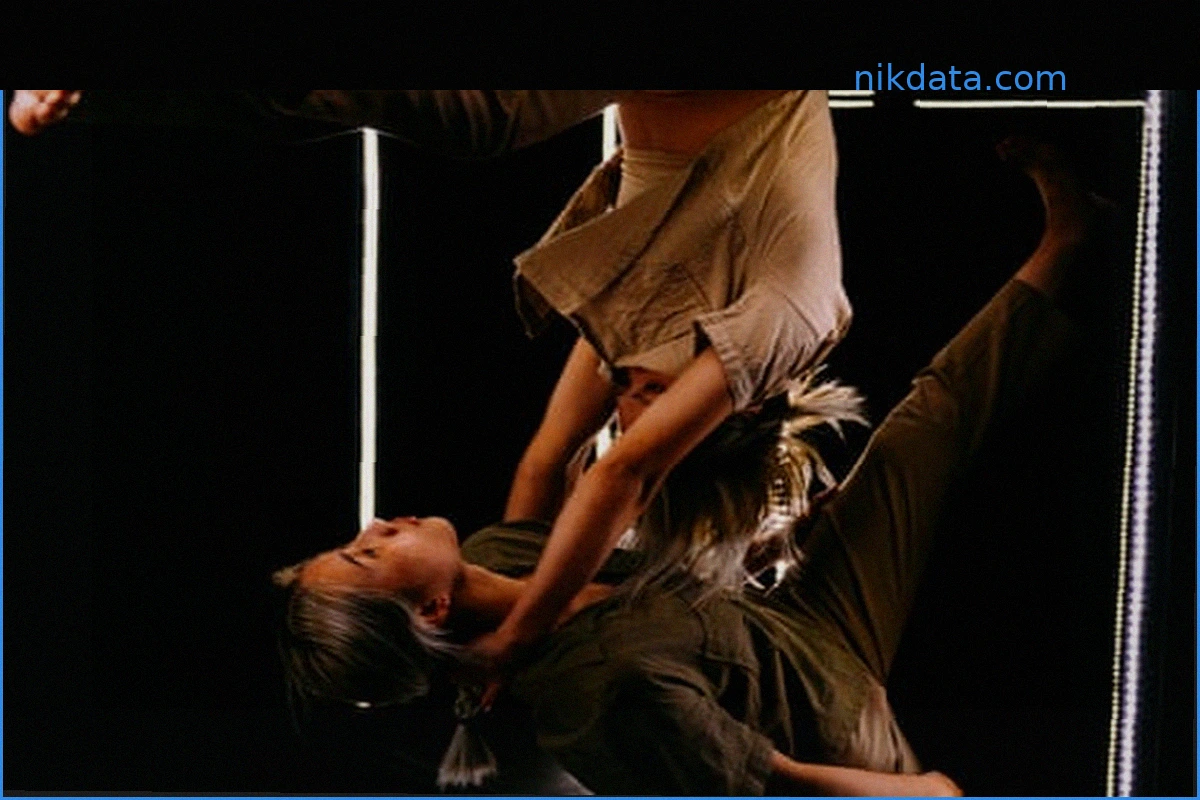
Taiwan's Seed Dance Company, previously seen at the fringe in 2024 with the direct "Lost Connection," presents a similarly cool yet more enigmatic piece titled "The Wall." The performance utilizes two box-like structures that transform throughout the show, evoking apartments and various confin