Meta recrute une équipe star de l’IA pour créer les assistants du futur
Version Française
Alors que les agents d'IA sont au cœur des discussions depuis des mois, Meta intensifie ses initiatives pour consolider ses capacités dans ce domaine. L'entreprise procède à une acquisition stratégique, bien qu'atypique.
Meta a conclu un accord pour intégrer les cofondateurs et les équipes de la startup Dreamer, spécialisée dans les agents d'IA. Dans une lettre ouverte, il a été révélé que cette collaboration unique permet à Meta de renforcer son expertise sans une acquisition complète.
Le montant de l'opération n'a pas été divulgué, mais les membres de Dreamer rejoindront le groupe Superintelligence Labs de Meta, dirigé par Alexandr Wang. Plutôt qu'un rachat direct, Meta a opté pour une structure hybride : Dreamer restera une entité juridique indépendante, tandis que Meta obtiendra une licence non-exclusive sur sa technologie.
Fondée par des vétérans de la Silicon Valley, dont Hugo Barra (ancien de Google, Xiaomi, Meta) et David Singleton (ex-CTO de Stripe, ancien responsable de l'ingénierie Android), Dreamer avait levé 56 millions de dollars en 2024, avec une valorisation estimée à 500 millions de dollars.
La technologie de Dreamer permet aux utilisateurs de créer leurs propres agents d'IA via le langage naturel. Ces assistants peuvent ensuite gérer des tâches variées, telles que l'organisation d'e-mails, la gestion d'agendas, la planification de voyages ou l'aide aux étudiants. Le projet vise à donner à chacun la possibilité de créer des logiciels personnalisés et adaptés à ses besoins, une vision que les fondateurs partagent avec Mark Zuckerberg.
Pour Meta, cet enjeu est crucial. L'entreprise doit rattraper son retard dans ce segment de l'IA et accélérer le développement d'assistants autonomes capables d'interagir directement avec ses services. Cette initiative s'inscrit dans une série d'investissements, incluant l'acquisition de Manus (estimée à 2 milliards de dollars) et plus récemment de Moltbook, une plateforme sociale dédiée aux agents IA.
Malgré de récents licenciements massifs, l'arrivée de l'équipe de Dreamer confirme la volonté de Meta de faire des agents intelligents l'un des piliers de sa stratégie IA pour les années à venir.
English Version
With AI agents at the forefront of discussions for months, Meta is intensifying its initiatives to strengthen its capabilities in this domain. The company is making a strategic, albeit atypical, acquisition.
Meta has reached an agreement to integrate the co-founders and teams of Dreamer, a startup specializing in AI agents. An open letter revealed that this unique collaboration allows Meta to enhance its expertise without a full acquisition.
The financial terms of the operation were not disclosed, but Dreamer's members will join Meta's Superintelligence Labs group, led by Alexandr Wang. Rather than a direct buyout, Meta opted for a hybrid structure: Dreamer will remain an independent legal entity, while Meta will obtain a non-exclusive license for its technology.
Founded by Silicon Valley veterans, including Hugo Barra (formerly of Google, Xiaomi, Meta) and David Singleton (ex-CTO of Stripe, former head of Android engineering), Dreamer had raised $56 million in 2024, with an estimated valuation of $500 million.
Dreamer's technology enables users to create their own AI agents using natural language. These assistants can then manage various tasks, such as email organization, agenda management, travel planning, or student assistance. The project aims to empower everyone to create personalized software tailored to their needs, a vision the founders share with Mark Zuckerberg.
For Meta, this challenge is crucial. The company needs to catch up in this AI segment and accelerate the development of autonomous assistants capable of interacting directly with its services. This initiative is part of a series of investments, including the acquisition of Manus (estimated at $2 billion) and more recently Moltbook, a social platform dedicated to AI agents.
Despite recent mass layoffs, the arrival of the Dreamer team confirms Meta's commitment to making intelligent agents one of the pillars of its AI strategy for the coming years.
Fresh materials — Cybercrime news
Prime Video competes with TikTok using short news videos
Platforms are seeking ways to diversify content and make it more interactive, leading many to adopt social media formats. Amazon has taken this direction with short news clips available on Prime Video. The company aims to capture Generation Z, who already consume news in this f

X sous enquête en Irlande pour l'exposition des mineurs à des contenus adultes
La protection des enfants sur les plateformes numériques est une préoccupation majeure, et les réseaux sociaux doivent désormais prouver leur efficacité à protéger les jeunes utilisateurs de certains contenus. En Irlande, la Coimisiún na Meán a lancé une enquête concernant X (anciennem
AI Completes First Transaction Independently in France
Revolut has announced the completion of the first payment initiated entirely by artificial intelligence in France. This secure test, conducted in collaboration with Visa, heralds a transformation in the world of payments. Revolut Conducts AI Payment Test While Elon Musk expresses a desi
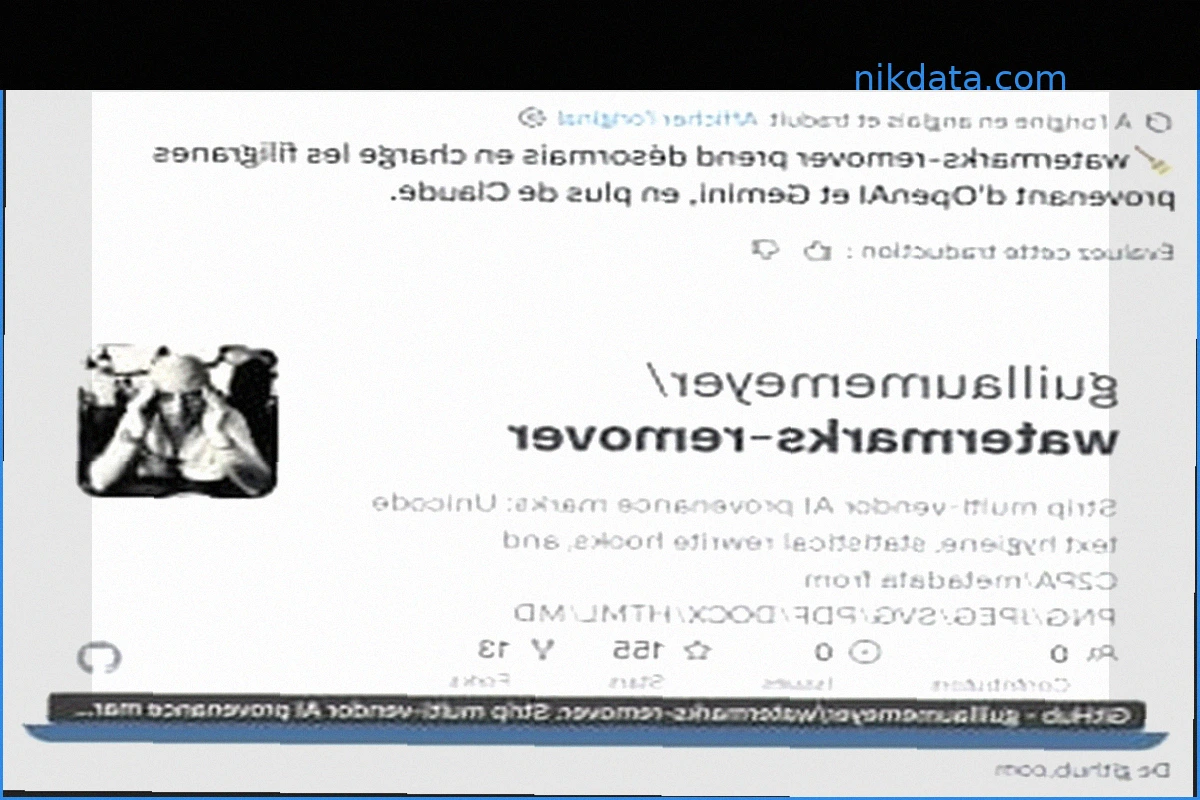
Claude's Invisible Watermark and the Rise of Removal Tools
Anthropic has announced that texts generated by its AI model, Claude, will now feature an invisible watermark. This marking is reportedly linked to word choices. A few days later, the company released some technical details. Consequently, GitHub and the web have been flooded with tools that claim t
Anthropic's Revenue Skyrockets to Over $11.5 Billion, a 14-Fold Increase Year-Over-Year
A year ago, Anthropic's quarterly revenue stood at $787 million. By the second quarter of 2026, this figure had surged past $11.5 billion, as reported by Bloomberg, marking an impressive increase of over 14 times in just twelve months. This growth is also substantial compared to the previous q
Meta Confirms AI Dramatically Increases Time Spent on Instagram
Even a modest 10% increase in time spent on an application used by three billion people each month translates to millions of additional hours absorbed daily by phone screens. Mark Zuckerberg readily admits this, highlighting how Meta's artificial intelligence is significantly enhancing user eng