Dietary Changes May Reverse Biological Age in Older Adults Within 4 Weeks
Significant shifts in biological age markers are achievable for older adults in a remarkably short period, driven solely by dietary modifications. New findings from the University of Sydney indicate that Australians aged 65 to 75 who reduced either dietary fat or animal-based protein displayed signs of a younger biological age after only four weeks. Biological age is an estimation of the body's physiological condition and health, distinct from chronological age.
Published in Aging Cell and led by Dr. Caitlin Andrews, the research highlights diet's rapid influence on aging indicators. However, researchers caution that these initial findings are preliminary. Extended studies are necessary to confirm the persistence of these changes, their impact on age-related disease risk, and their applicability to different age groups and populations.
Understanding Biological Age
While chronological aging is universal, biological aging varies. Individuals of the same chronological age can exhibit considerable differences in cardiovascular health, metabolism, and inflammation, reflecting how well their bodies function. These variances can explain why some remain resilient in later life while others face age-related health issues sooner.
Scientists estimate biological age by analyzing biomarkers, which are measurable bodily features providing insights into health and physiological status. Combinations of these markers offer a comprehensive view of the aging process.
In this study, 20 different biomarkers, including blood levels of cholesterol, insulin, and C-reactive protein (a marker of inflammation), were analyzed. These data points were used to calculate a biological age score for participants in the Nutrition for Healthy Living study.
The Four-Diet Study
The Nutrition for Healthy Living study involved 104 participants randomly assigned to one of four diets. Each diet provided 14% of total energy from protein. Two diets were omnivorous (half protein from animal, half from plant sources), and two were semi-vegetarian (70% protein from plant sources).
Within these categories, participants followed either a high-fat, low-carbohydrate diet or a low-fat, high-carbohydrate diet, resulting in four groups: omnivorous high-fat (OHF), omnivorous high-carbohydrate (OHC), semi-vegetarian high-fat (VHF), and semi-vegetarian high-carbohydrate (VHC).
Participants had a BMI between 20-35, were non-smokers, non-vegetarians, and had no serious health conditions or dietary restrictions.
Positive Biomarker Changes in Three Groups
The omnivorous high-fat group, which most closely resembled their usual eating habits, showed no significant change in biological age. Conversely, the other three dietary groups exhibited reductions in their estimated biological age based on biomarker profiles.
The omnivorous high-carbohydrate group showed the strongest statistical evidence of improvement. Their diet comprised 14% protein, 28-29% fat, and 53% carbohydrates.
Collectively, these results suggest that reducing dietary fat, animal-based protein, or both can influence aging-related biomarkers in older adults relatively quickly. However, a lower calculated biological age does not definitively confirm a permanent reversal of the aging process.
Long-Term Effects Remain Unclear
It is currently unknown if these biomarker changes will be sustained over time or lead to lasting biological age reversal. Researchers also cannot yet determine if these observed changes will reduce the risk of age-related diseases.
Associate Professor Alistair Senior stated that longer-term dietary changes are needed to assess their impact on age-related disease risk. The study, therefore, offers an early indication rather than conclusive proof of diet's ability to extend lifespan or permanently slow aging.
Dr. Andrews added that while it's premature to definitively claim dietary changes extend life, this research provides an initial sign of potential benefits for older adults. Future studies will investigate if these findings apply to other populations and whether the recorded changes are sustained or predictive of long-term health outcomes.
Fresh materials — Science news
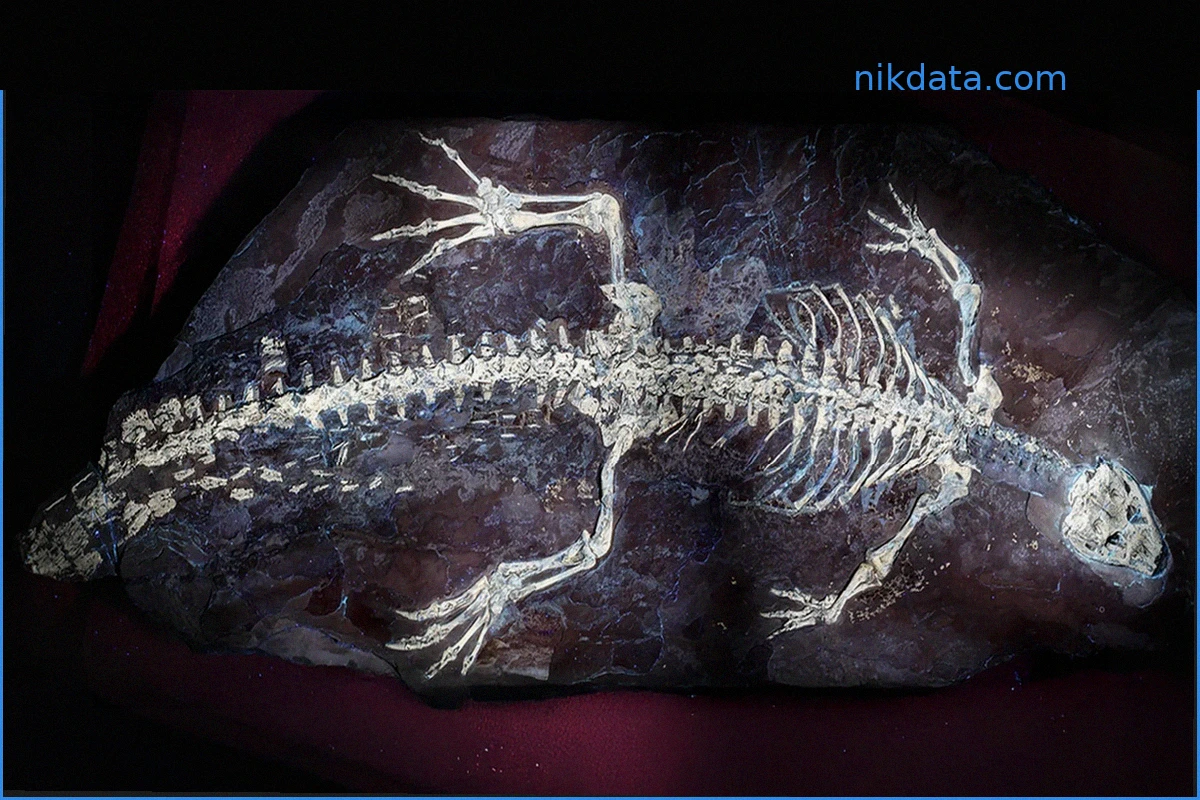
UV Light Reveals Possible Camouflage on 125-Million-Year-Old Crocodile Fossil
A remarkably preserved fossil from northeastern Spain offers a rare glimpse into the skin, soft tissues, and potential coloration of an ancient crocodile relative that lived approximately 125 million years ago. This new research, detailed in the Zoological Journal of the Linnean Society,
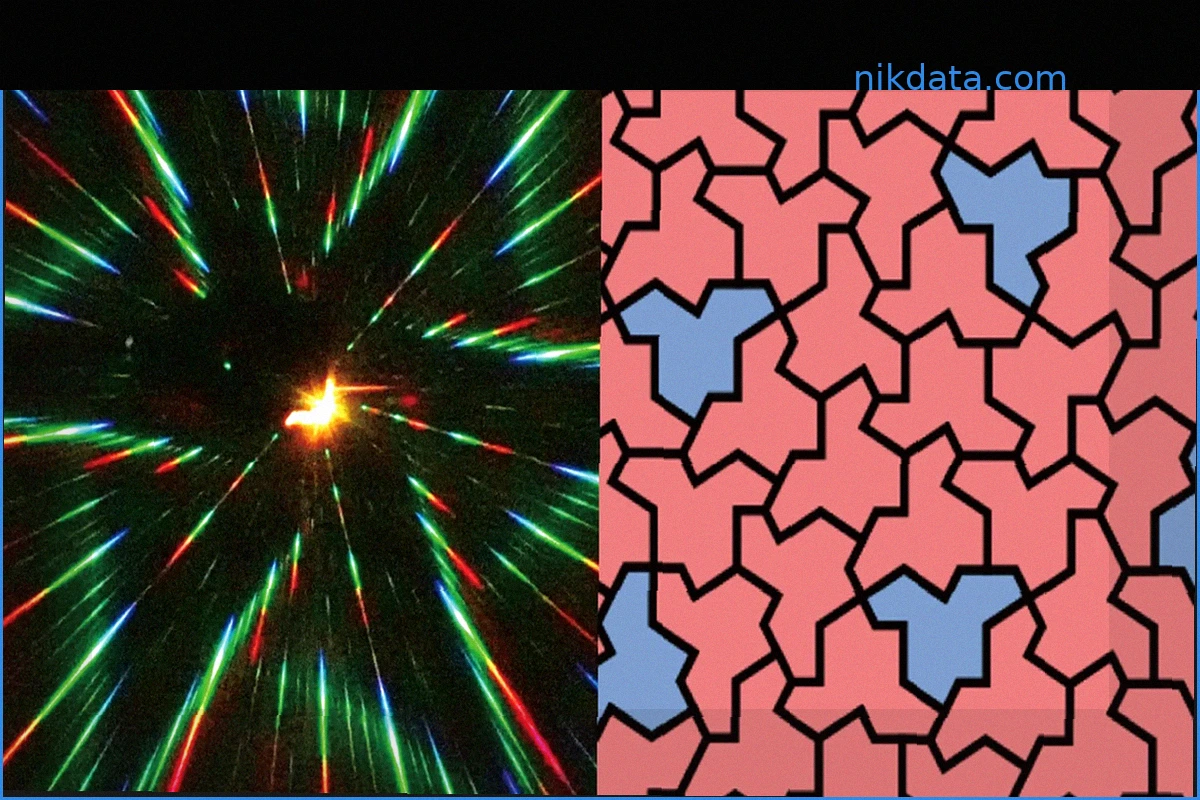
The Einstein Problem's Shape Reveals New Physics Through Light Patterns
A mathematical shape, famous for solving a decades-old puzzle, is now showing an unexpected link to physics. Structures based on this shape can make light form unusual chiral patterns, opening new avenues for studying how geometry affects optical behavior. Researchers from the Institute of

Screen Time's Unexpected Link to Kids' Cognitive Skills
A Finnish study has uncovered an unexpected correlation between screen usage and cognitive capabilities. Children who spent more time in front of screens as they grew tended to exhibit enhanced cognitive processing during their adolescent years. One of the lead researchers advises agai

Tiny Fossils Reveal Secrets of Complex Life's Origin
While the hunt for life on Mars or distant icy moons often grabs headlines, a profound mystery about the emergence of complex life is unfolding much closer to home. Scientists are diligently working to pinpoint when the first eukaryotes appeared on Earth and how these pivotal organisms paved

Einstein's Cosmic Blunder: The Cosmological Constant and Dark Energy
More than a century ago, Albert Einstein shifted his focus from gravity to the universe's destiny. In 1917, shortly after formulating his general theory of relativity, he began applying its equations to cosmology, seeking to understand the universe on its grandest scales. Gravity was the natura
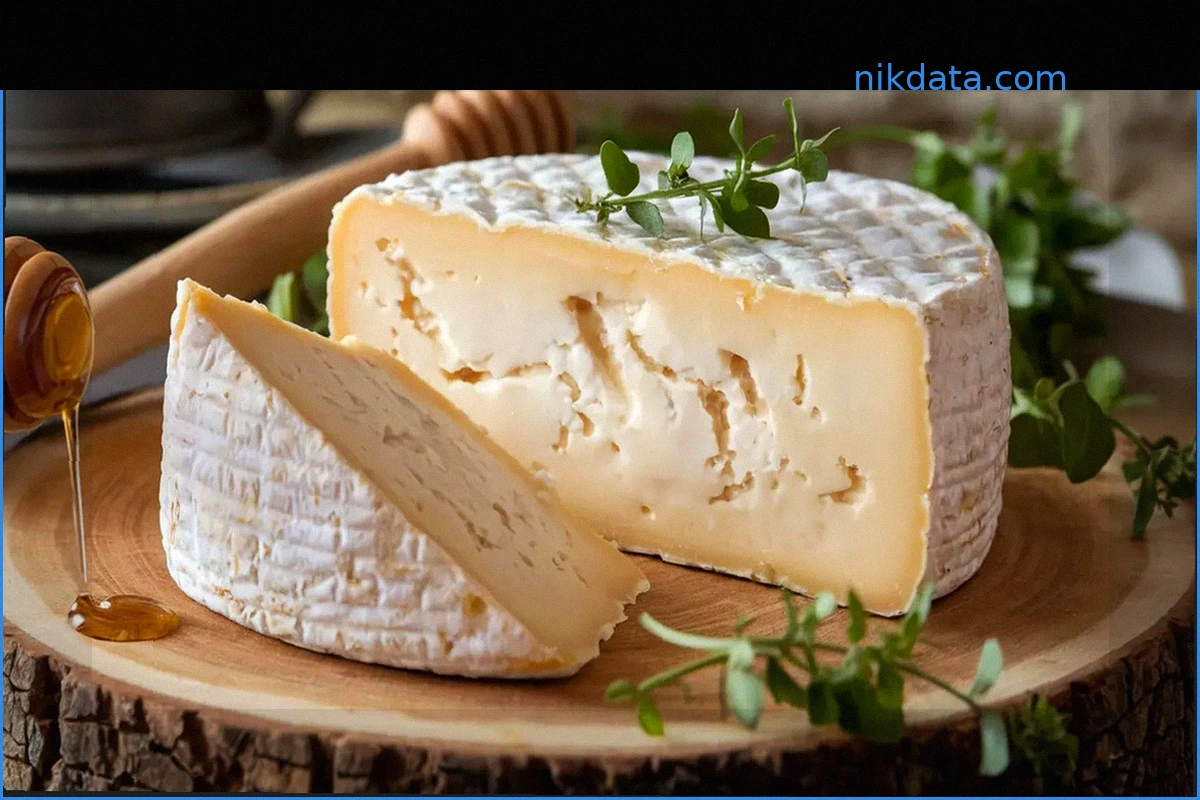
The Bacteria that Make Cheese Taste So Good May Also Benefit Your Gut
Scientists have identified the bacteria responsible for the unique flavors of three British artisan cheeses. Intriguingly, some of these microbes might also offer advantages for human health. Researchers at the University of Reading's Food Microbial Sciences Unit meticulously tracked the mi