The Einstein Problem's Shape Reveals New Physics Through Light Patterns
A mathematical shape, famous for solving a decades-old puzzle, is now showing an unexpected link to physics. Structures based on this shape can make light form unusual chiral patterns, opening new avenues for studying how geometry affects optical behavior.
Researchers from the Institute of Industrial Science, The University of Tokyo, and their collaborators created optical structures inspired by the 'Smith hat,' a shape known for solving the Einstein problem in mathematics. When illuminated with laser light, these structures produced diffraction effects distinct from those seen in traditional quasicrystals.
The Einstein problem questioned if a single tile shape, a 'monotile,' could cover a surface without repeating. Unlike regular tilings like checkerboards, an aperiodic monotile fills a surface without settling into a regular arrangement. The discovery of the Smith hat in 2023, the first such monotile, generated significant interest as a long-sought solution.
Yuto Moritake, the lead author, noted the fascinating nature of the hat tile: while its pattern appears irregular, it's built from a honeycomb lattice. The team investigated if this unique shape could also lead to unexpected physical phenomena.
To explore this, researchers fabricated nanoscale versions of the pattern on silicon nitride films using electron beam lithography. When laser light hit these structures, the resulting diffraction patterns formed distinctive pinwheel-like shapes, directly demonstrating the chiral nature of the aperiodic structure. Chirality, a form of handedness where a structure and its mirror image cannot perfectly align, was exhibited by the light itself due to the monotile pattern's unusual arrangement.
Senior author Masaya Notomi explained that the diffraction patterns became chiral because the structure lacks mirror symmetry. This optical response significantly differs from conventional quasicrystalline materials.
Further observations revealed that the diffraction pattern varied with the direction and polarization of the incoming light. Mirroring the physical structures also reversed their optical behavior, confirming the light's response was directly tied to the underlying pattern's symmetry. This indicates a novel form of symmetry-controlled optical behavior.
Moritake remarked that these findings introduce a new research direction merging quasiperiodic order and chirality. Monotile patterns offer a platform for investigating optical phenomena arising from the interplay of symmetry, chirality, and aperiodicity.
The researchers suggest that structures inspired by monotiles could eventually advance technologies for light manipulation, polarization control, and sophisticated optical devices. More broadly, the study highlights how abstract mathematical discoveries can lead to unexpected physical effects. Initially recognized for solving a geometric tiling problem, the Smith hat's unusual geometry may now help uncover new methods for controlling and studying light.
Fresh materials — Science news
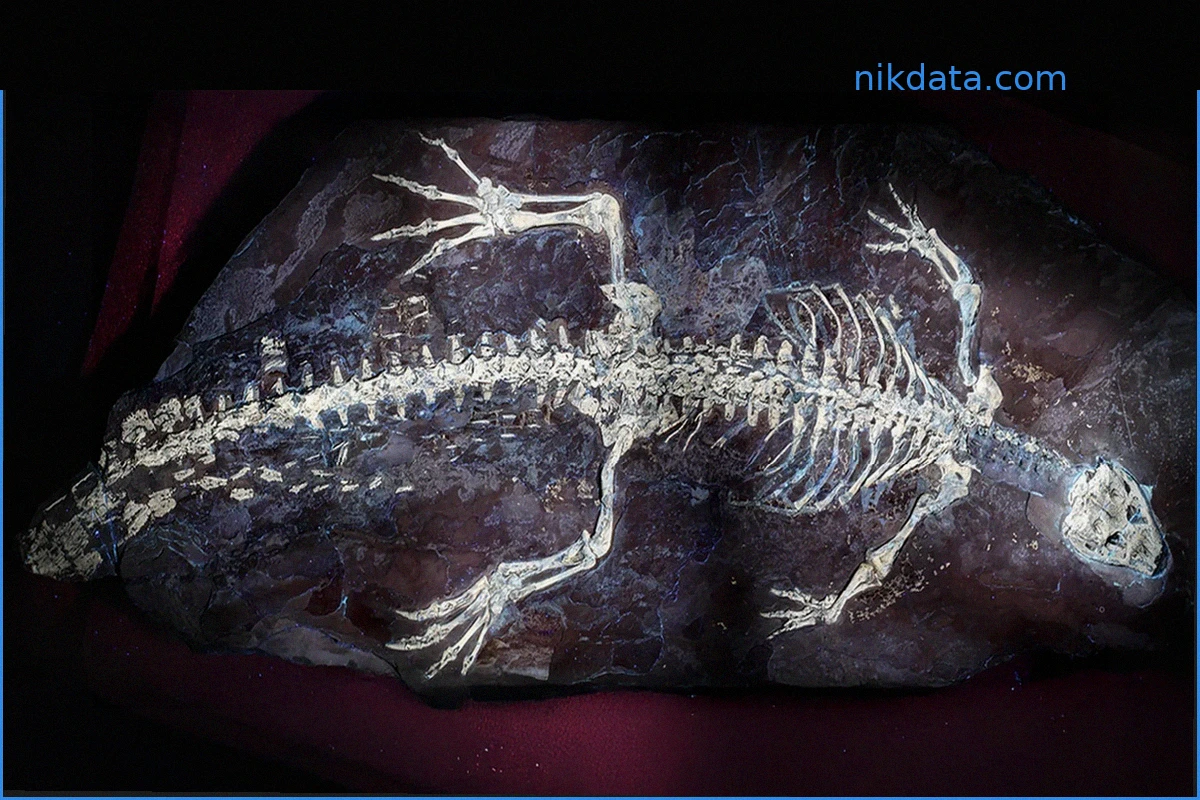
UV Light Reveals Possible Camouflage on 125-Million-Year-Old Crocodile Fossil
A remarkably preserved fossil from northeastern Spain offers a rare glimpse into the skin, soft tissues, and potential coloration of an ancient crocodile relative that lived approximately 125 million years ago. This new research, detailed in the Zoological Journal of the Linnean Society,

Screen Time's Unexpected Link to Kids' Cognitive Skills
A Finnish study has uncovered an unexpected correlation between screen usage and cognitive capabilities. Children who spent more time in front of screens as they grew tended to exhibit enhanced cognitive processing during their adolescent years. One of the lead researchers advises agai
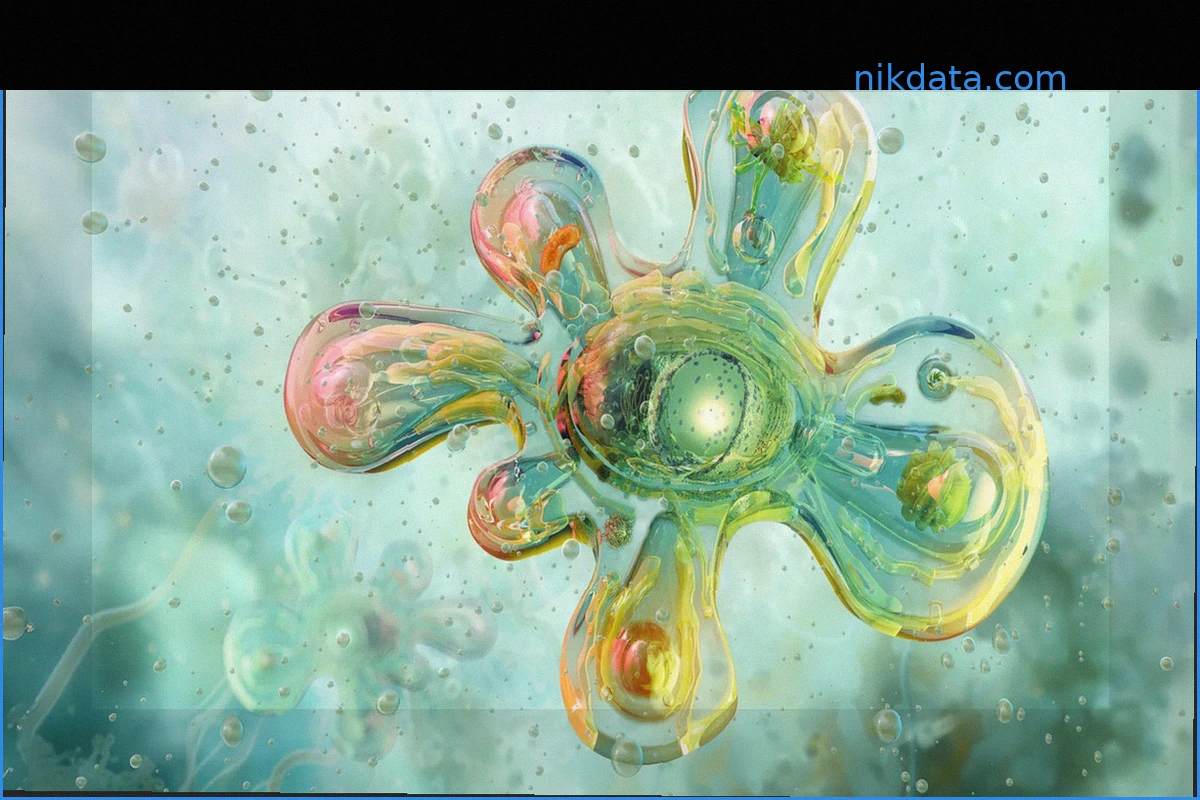
Tiny Fossils Reveal Secrets of Complex Life's Origin
While the hunt for life on Mars or distant icy moons often grabs headlines, a profound mystery about the emergence of complex life is unfolding much closer to home. Scientists are diligently working to pinpoint when the first eukaryotes appeared on Earth and how these pivotal organisms paved
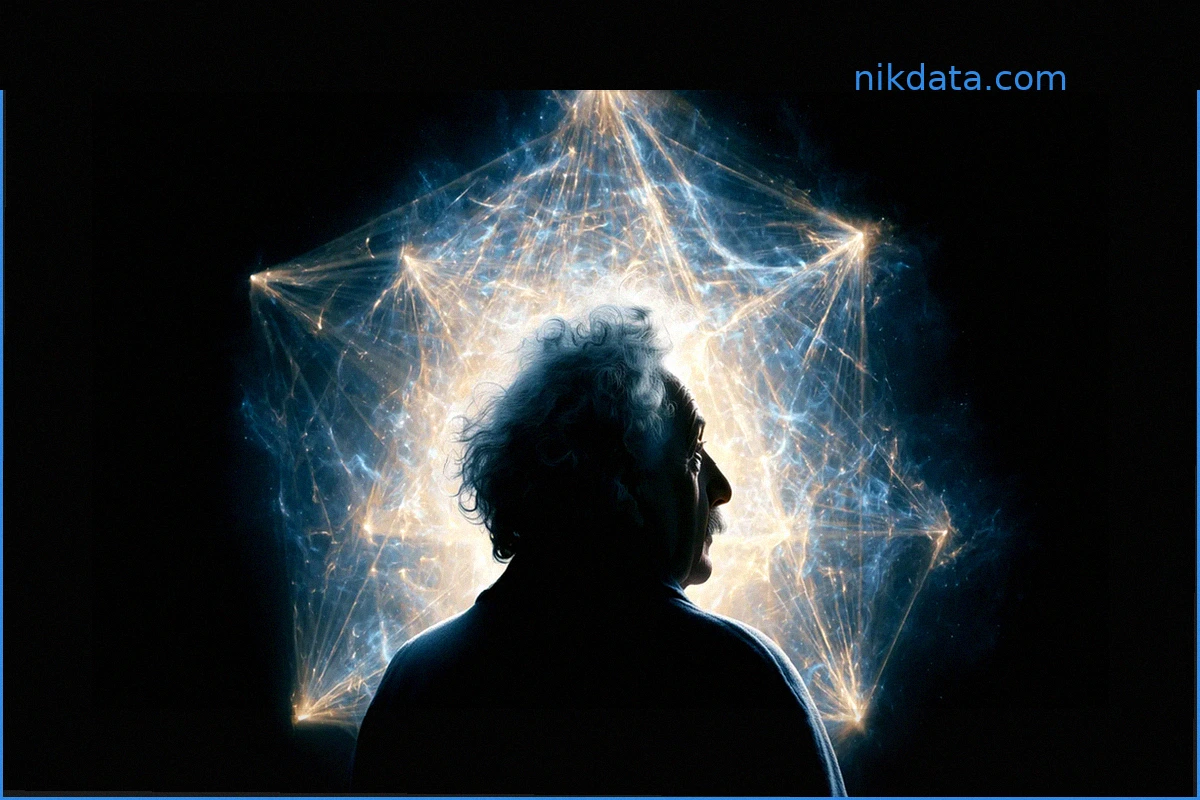
Einstein's Cosmic Blunder: The Cosmological Constant and Dark Energy
More than a century ago, Albert Einstein shifted his focus from gravity to the universe's destiny. In 1917, shortly after formulating his general theory of relativity, he began applying its equations to cosmology, seeking to understand the universe on its grandest scales. Gravity was the natura
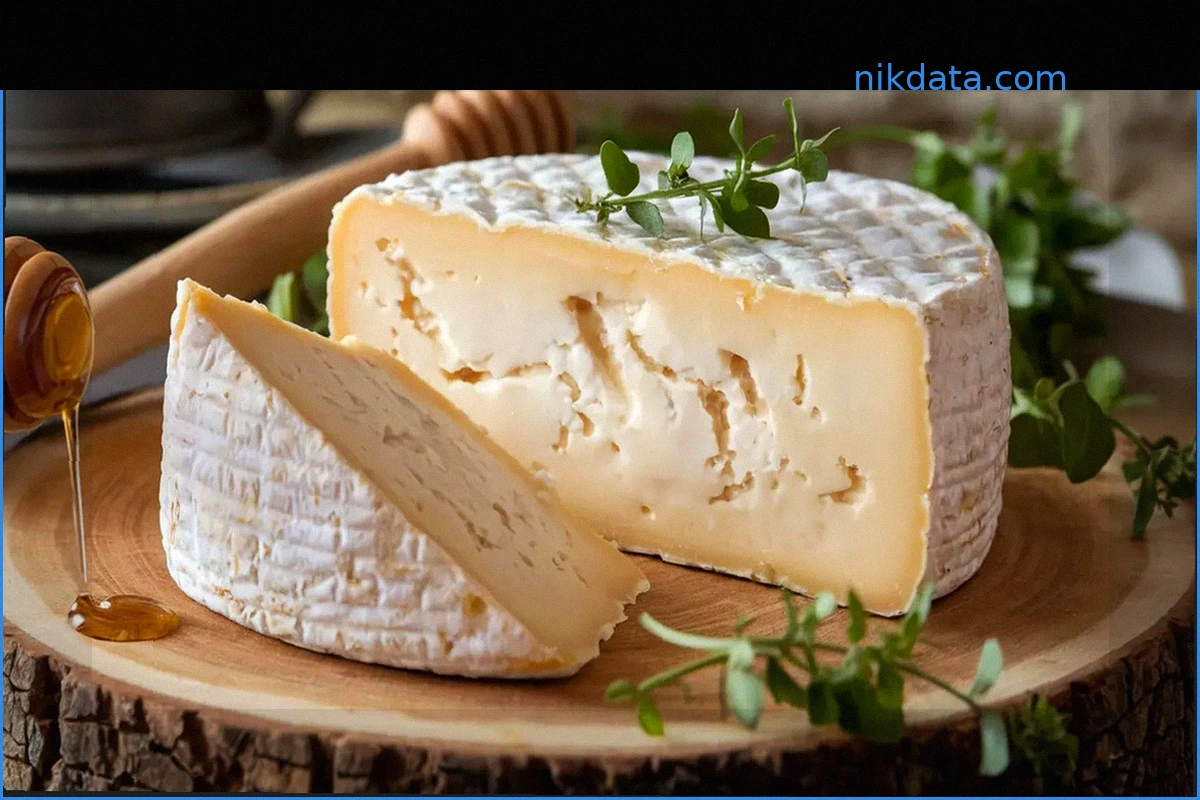
The Bacteria that Make Cheese Taste So Good May Also Benefit Your Gut
Scientists have identified the bacteria responsible for the unique flavors of three British artisan cheeses. Intriguingly, some of these microbes might also offer advantages for human health. Researchers at the University of Reading's Food Microbial Sciences Unit meticulously tracked the mi

Low-Fat Vegan Diet Helps People Lose Weight Without Eating Less
A low-fat vegan diet can significantly reduce the energy density of consumed foods by approximately 30%, enabling individuals to eat fewer calories while still feeling satisfied. This dietary approach was also linked to weight loss, even without participants being instructed to restrict thei