Cutting sweet foods doesn’t curb cravings or improve health
A new six-month trial indicates that altering the quantity of sweet-tasting foods consumed does not change a person's enjoyment of sweetness. Additionally, researchers observed no significant differences in various measures associated with heart disease and diabetes risk among individuals consuming diets with high, low, or average levels of sweetness.
These findings prompt a re-evaluation of public health recommendations that advocate for a reduction in sweet-tasting foods as a strategy to combat overweight and obesity. The researchers propose that sugar intake and energy-dense foods might be more pertinent targets than sweetness itself.
Sweetness Intake Did Not Change Taste Preferences
The study was a collaborative effort by researchers from Wageningen University and Research in the Netherlands and Bournemouth University in the UK, with its results published in the American Journal of Clinical Nutrition.
'There is an innate human preference for sweet taste, which has prompted many organizations, including the World Health Organization, to issue dietary guidelines advising a general reduction in sweetness from our diets,' stated Katherine Appleton, Professor of Psychology at Bournemouth University and the study's corresponding author. 'However, our findings do not substantiate this advice, as it fails to differentiate whether the sweet taste originates from sugar, low-calorie sweeteners, or natural sources,' she elaborated.
The research involved 180 participants who were divided into three distinct groups. One group adhered to a diet rich in sweet-tasting foods, another consumed a diet with a low amount, and the third followed a diet with an average level of sweetness.
The sweet taste in the participants' diets was derived from multiple sources, including sugar, naturally occurring sweeteners, and low-calorie sweeteners. This distinction is crucial because foods can register as sweet for fundamentally different nutritional reasons. For instance, fruits contain natural sugars alongside beneficial vitamins, fiber, and other nutrients, whereas certain processed foods might contain added sugar without offering comparable nutritional advantages.
Six Months of Testing Found Little Difference
At intervals of one month, three months, and six months, participants were surveyed about any changes in their preference for sweet foods or their perception of sweetness.
The researchers also monitored body weight and collected blood and urine samples. These samples were analyzed for changes in biomarkers associated with diabetes risk and cardiovascular health, which help assess the impact of dietary changes on blood sugar control, metabolism, or heart health.
Upon completion of the six-month trial, the researchers found no statistically significant differences among the three groups across any of the measured parameters. Individuals consuming more sweet-tasting foods did not exhibit an increased preference for sweetness, nor did those who ate fewer sweet foods show a diminished taste for it.
Furthermore, participants tended to revert to their pre-study consumption levels of sweet foods voluntarily after the trial concluded.
Researchers Question Advice to Reduce Sweet Foods
Based on these findings, the research team suggests that public health organizations may need to reassess recommendations that broadly target sweet-tasting foods as part of strategies to address overweight and obesity.
The researchers stress the importance of distinguishing between sweetness and sugar. A food's sweet taste can stem from sugar, a low-calorie sweetener, or naturally occurring sugars. Conversely, some foods that are not perceived as particularly sweet can still contain substantial amounts of sugar.
'The objective is not to eat less sweet food to reduce obesity rates,' Professor Appleton remarked. 'The health concerns are linked to sugar consumption. Some fast foods may not taste sweet but can be high in sugar. Likewise, many naturally sweet products like fresh fruit and dairy offer health benefits. Therefore, public advice should concentrate on how individuals can reduce their intake of sugar and energy-dense foods,' she concluded.
Energy-dense foods are characterized by a high calorie content relative to their volume. Many highly processed foods fall into this category, often being rich in added sugars, fats, or both.
The study implies that merely reducing exposure to sweet tastes may not be sufficient to alter preferences or improve the health markers examined over a six-month period. Instead, the researchers advocate for dietary guidance that prioritizes the nutritional quality of foods, particularly their sugar and calorie content, rather than their perceived sweetness.
Fresh materials — Science news

GLP-1 Medications in Children Linked to Nutritional Deficiencies
Children prescribed GLP-1 medications for weight loss, prediabetes, or type 2 diabetes may face a significant nutritional risk. A study published in Childhood Obesity identified that almost 17% of young patients (16.8%) were diagnosed with a nutritional deficiency within their first year of tr
Dietary Changes May Reverse Biological Age in Older Adults Within 4 Weeks
Significant shifts in biological age markers are achievable for older adults in a remarkably short period, driven solely by dietary modifications. New findings from the University of Sydney indicate that Australians aged 65 to 75 who reduced either dietary fat or animal-based protein displayed

UV Light Reveals Possible Camouflage on 125-Million-Year-Old Crocodile Fossil
A remarkably preserved fossil from northeastern Spain offers a rare glimpse into the skin, soft tissues, and potential coloration of an ancient crocodile relative that lived approximately 125 million years ago. This new research, detailed in the Zoological Journal of the Linnean Society,
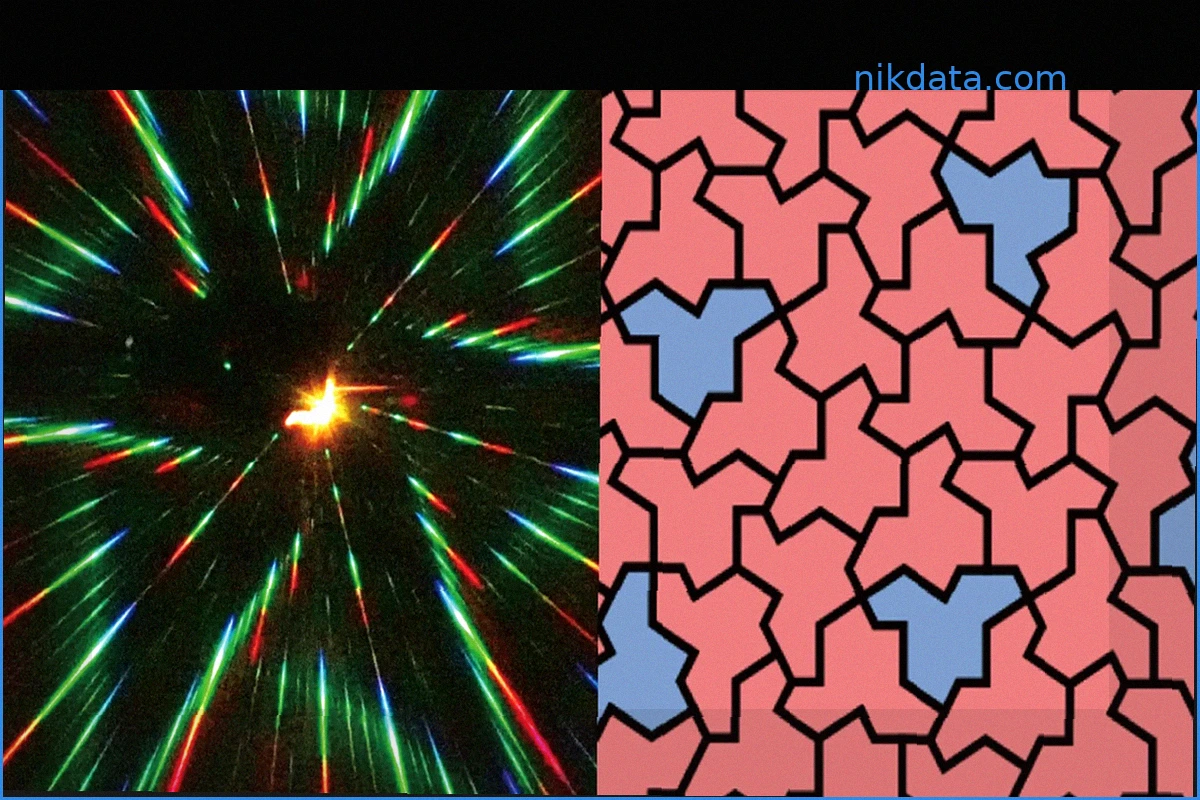
The Einstein Problem's Shape Reveals New Physics Through Light Patterns
A mathematical shape, famous for solving a decades-old puzzle, is now showing an unexpected link to physics. Structures based on this shape can make light form unusual chiral patterns, opening new avenues for studying how geometry affects optical behavior. Researchers from the Institute of

Screen Time's Unexpected Link to Kids' Cognitive Skills
A Finnish study has uncovered an unexpected correlation between screen usage and cognitive capabilities. Children who spent more time in front of screens as they grew tended to exhibit enhanced cognitive processing during their adolescent years. One of the lead researchers advises agai

Tiny Fossils Reveal Secrets of Complex Life's Origin
While the hunt for life on Mars or distant icy moons often grabs headlines, a profound mystery about the emergence of complex life is unfolding much closer to home. Scientists are diligently working to pinpoint when the first eukaryotes appeared on Earth and how these pivotal organisms paved