GLP-1 Medications in Children Linked to Nutritional Deficiencies
Children prescribed GLP-1 medications for weight loss, prediabetes, or type 2 diabetes may face a significant nutritional risk. A study published in Childhood Obesity identified that almost 17% of young patients (16.8%) were diagnosed with a nutritional deficiency within their first year of treatment.
Vitamin D deficiency was the most common issue, identified in 12.4% of children after starting GLP-1 therapy.
Justin Ryder, PhD, senior author and Associate Professor at Northwestern University Feinberg School of Medicine, noted the importance of understanding these risks, especially during crucial periods of childhood growth and puberty. He highlighted that nutrients like vitamin D, iron, and calcium are critical for adolescent skeletal health and overall development, and deficiencies at this stage can have lasting effects.
Adolescence demands substantial nutrition for bone development, physical maturation, and other biological changes. Since GLP-1 medications can influence appetite and food intake, researchers emphasize that nutritional attention is particularly vital for younger patients using these drugs.
Ryder stated that nutritional support should be integral from the start of GLP-1 treatment. However, the study found that only 5% of patients received nutritional counseling within 30 days of starting the medication, and fewer than 25% received it within six months.
The research team analyzed national administrative claims data from 2017 to 2022, covering over 100 million patients.
They identified 2,031 GLP-1 users aged 10 to 17 who met continuous enrollment criteria and had no prior diagnosis of nutritional deficiency.
Among these children, liraglutide (Victoza, Saxenda) was the most frequently prescribed GLP-1, making up 78.6% of prescriptions. Dulaglutide (Trulicity) accounted for 10.4%, and semaglutide (Ozempic, Wegovy) for 9.1%.
These findings suggest that nutritional care should begin concurrently with GLP-1 treatment, not just after a deficiency is detected.
Ryder expressed hope that the study will raise awareness about the necessity of proactive nutritional management when prescribing GLP-1s to children. He believes that understanding these risks better positions healthcare providers to prevent potential harm during this critical life stage.
Fresh materials — Science news
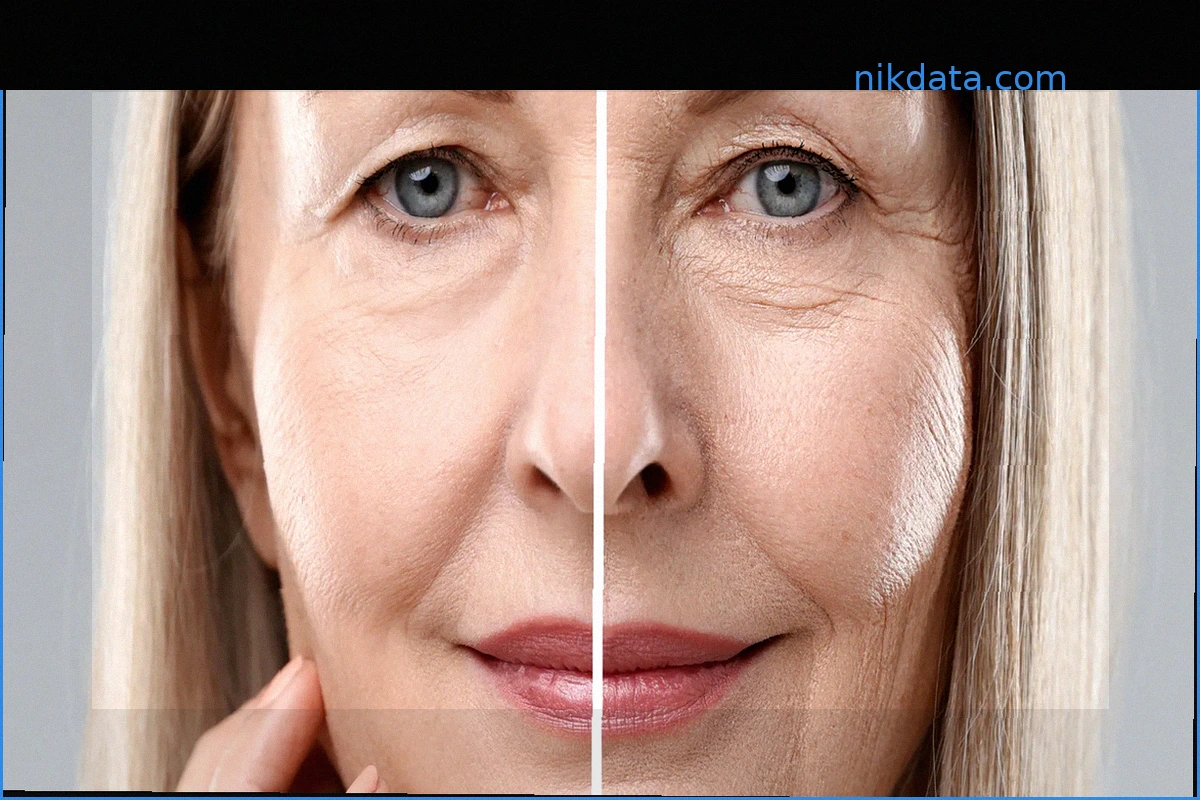
Dietary Changes May Reverse Biological Age in Older Adults Within 4 Weeks
Significant shifts in biological age markers are achievable for older adults in a remarkably short period, driven solely by dietary modifications. New findings from the University of Sydney indicate that Australians aged 65 to 75 who reduced either dietary fat or animal-based protein displayed
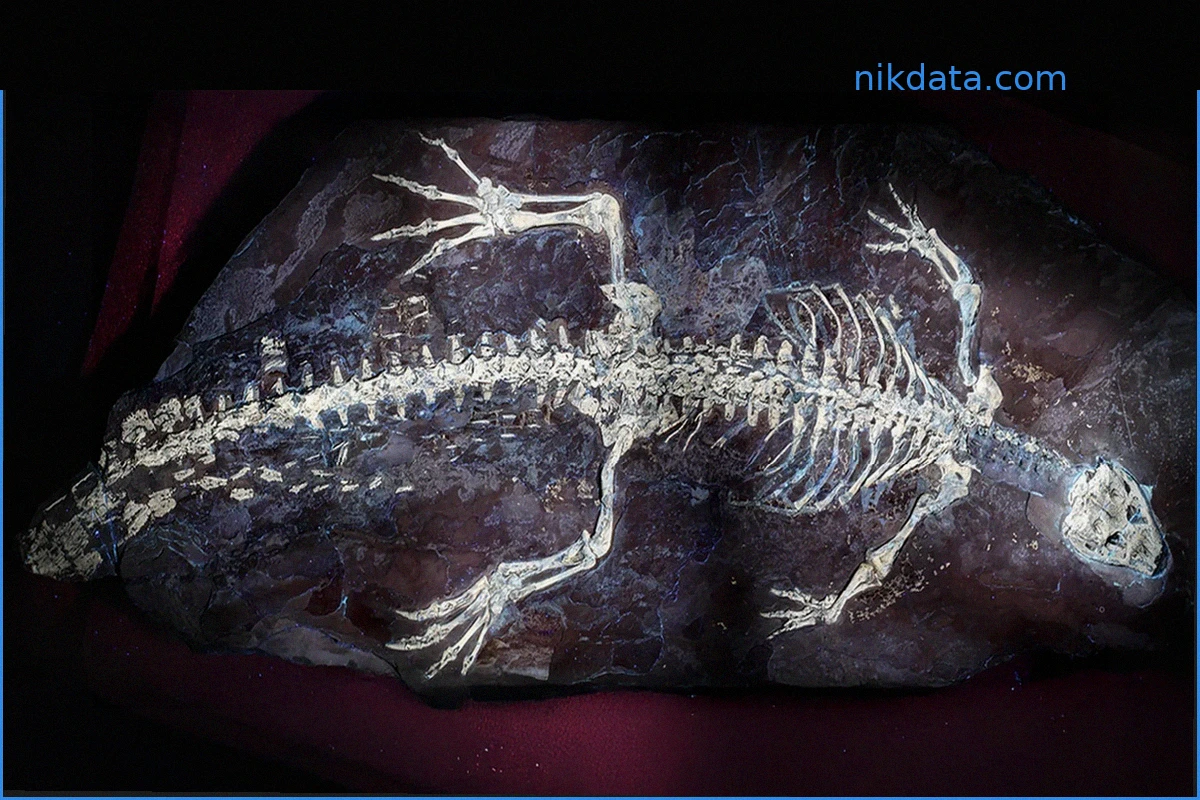
UV Light Reveals Possible Camouflage on 125-Million-Year-Old Crocodile Fossil
A remarkably preserved fossil from northeastern Spain offers a rare glimpse into the skin, soft tissues, and potential coloration of an ancient crocodile relative that lived approximately 125 million years ago. This new research, detailed in the Zoological Journal of the Linnean Society,
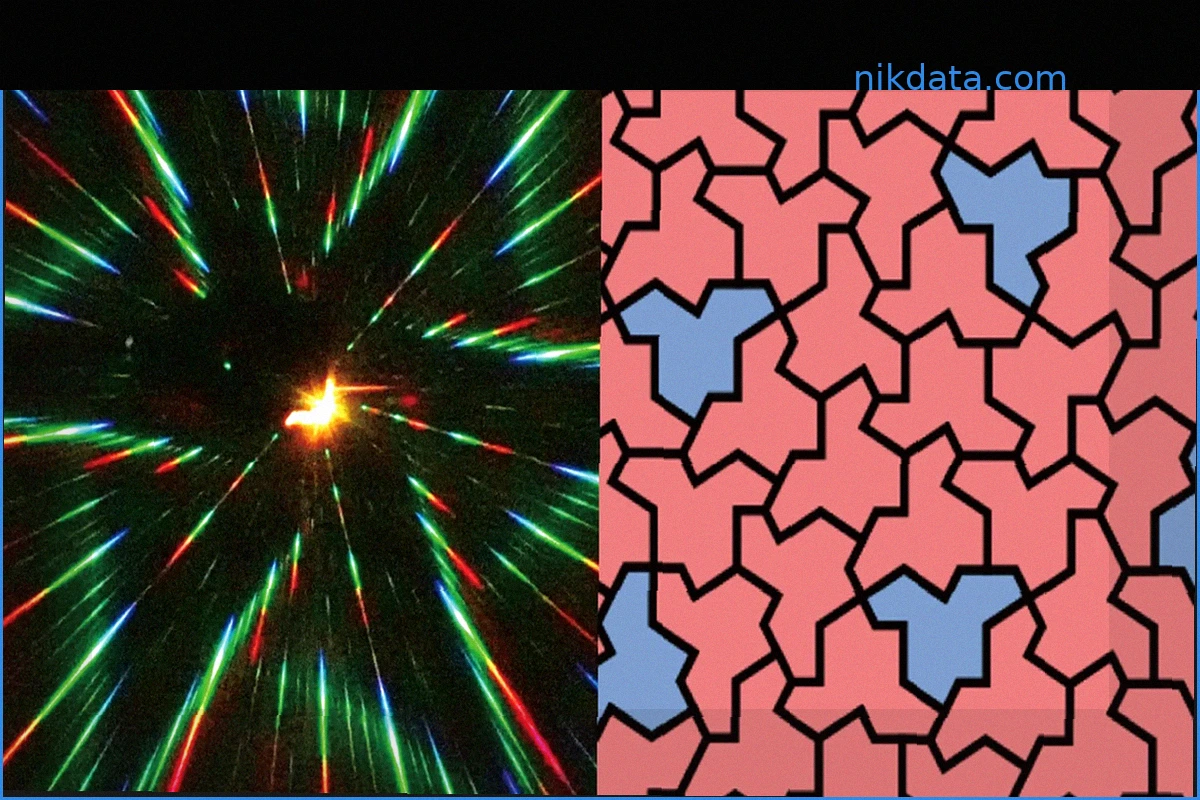
The Einstein Problem's Shape Reveals New Physics Through Light Patterns
A mathematical shape, famous for solving a decades-old puzzle, is now showing an unexpected link to physics. Structures based on this shape can make light form unusual chiral patterns, opening new avenues for studying how geometry affects optical behavior. Researchers from the Institute of

Screen Time's Unexpected Link to Kids' Cognitive Skills
A Finnish study has uncovered an unexpected correlation between screen usage and cognitive capabilities. Children who spent more time in front of screens as they grew tended to exhibit enhanced cognitive processing during their adolescent years. One of the lead researchers advises agai

Tiny Fossils Reveal Secrets of Complex Life's Origin
While the hunt for life on Mars or distant icy moons often grabs headlines, a profound mystery about the emergence of complex life is unfolding much closer to home. Scientists are diligently working to pinpoint when the first eukaryotes appeared on Earth and how these pivotal organisms paved

Einstein's Cosmic Blunder: The Cosmological Constant and Dark Energy
More than a century ago, Albert Einstein shifted his focus from gravity to the universe's destiny. In 1917, shortly after formulating his general theory of relativity, he began applying its equations to cosmology, seeking to understand the universe on its grandest scales. Gravity was the natura