Mr T: I Pity the Fool Review – A Rare Chance with an Electrifying Star… And They Blew It
Reflecting on childhood memories, one might ask when was the last time entertainment rivaled the joy of watching "The A-Team." For many, the documentary "Mr T: I Pity the Fool" evokes the iconic character of B.A. Baracus, the genius engineer and fan-favorite from the soldiers of fortune. According to Mr T himself, the show revolved around him, and viewing his charisma and natural talent – that of a tough guy with underlying warmth and humor, delivering a perfectly larger-than-life performance – it's easy to see why, even if it might have irked George "Hannibal" Peppard.
Now 74, Mr T's charisma remains undimmed, despite looking his age. Seated alone in a darkened room, occasionally viewing footage of his career's highs and lows, dressed in his signature stars-and-stripes boiler suit and bandana, he captivates the viewer.
Having conducted few public interviews since his peak, the clips from that era are electrifying. Particularly memorable is his uncompromising interview with David Letterman, where he unsmilingly explains his distinctive look to a visibly intimidated host. His Mohawk hairstyle and feathered earrings honor his African Mandinka warrior heritage, while the gold chains symbolize the shackles worn by his ancestors. He actively avoided "Black exploitation movies," seeking roles comparable to those given to Charlton Heston, a point that elicits laughter from the audience, who, perhaps unintentionally, grasp his broader message.
His ascent to fame and fortune is a quintessentially "only in America" story. Born Laurence Tureaud (though misspelled as Tero throughout the documentary), he was one of 12 children raised by his devoted mother, Willa Lee, in a Chicago housing project. He and his brothers dedicated themselves to physical fitness, and by 15, he already possessed an athlete's physique.
He adopted the name Mr T to ensure everyone addressed him with respect, as he had witnessed his father and brothers, including a Vietnam veteran, being called "Boy." When his mother was robbed, he sought out the perpetrators, and though the outcome is left ambiguous, it's implied he inflicted significant physical harm – a rare deviation from what appears to have been a highly disciplined life.
Working multiple manual labor jobs, he eventually transitioned from bouncing to bodyguarding, opening the door to television. This led to him being discovered by Sylvester Stallone, who cast him as the antagonist Clubber Lang in "Rocky III." His disciplined preparation, including mastering the accent and improvising during the audition, contributed to the film's success and his own burgeoning stardom.
Following "The A-Team," immense popularity and wealth followed, with Mr T commercials and merchandise ubiquitous. An inevitable ego inflation ensued, but by the mid-90s, a cancer diagnosis, coupled with his increasing demands, led to a decline in his stardom. He has since embraced his faith, finding fulfillment in good works and ministry.
This is, at least, the narrative presented by the documentary. However, during the promotional tour, Mr T has voiced his strong disapproval, deeming the film dishonest and unfair. He asserts that he willingly stepped away from the spotlight, having achieved his goal of providing for his mother. He had promised her a comfortable life, including a house and fine dresses, to which she responded, "If that’s the lord’s willing."
Further criticisms include the disproportionate screen time given to his former agent, Peter Young (whom Mr T claims he had to sue, and who is the primary source of accusations regarding Mr T's alleged diva behavior and "bad decisions"), compared to his long-time pastor, Rev Henry Hardy. The documentary also omits counterpoints to the "hardman" persona.
The documentary is undeniably brief. While some omissions are understandable within its 50-minute runtime, even without prior knowledge of the subject's dissatisfaction, the emphasis on the violent incident feels peculiar, and the misspelling of his name raises concerns about the thoroughness of the research. There's an eagerness to paint Mr T as an egomaniacal figure, making the production feel at best rushed and at worst like another unfair narrative imposed on a Black man by individuals who deserve more censure than pity.
English Translation
When was the last time you had as much fun as you did watching "The A-Team" as a child? Many of the most memorable moments in the unexpected documentary "Mr T: I Pity the Fool" recall his iconic portrayal of B.A. Baracus, the genius engineer and instant fan favorite from the soldiers of fortune. According to Mr T, the show was built around him, and seeing how well it plays to his talents and charisma – a genuine tough guy with warmth and humor, delivering a perfectly over-the-top performance without ever overacting – it makes a lot of sense, even if George "Hannibal" Peppard might have been annoyed to hear it.
Mr T is now 74. He looks a bit older, but his charisma is completely intact. He sits alone in a dimly lit room, occasionally shown old footage of his career highlights and lowlights, dressed in a stars-and-stripes boiler suit and bandana. You can't take your eyes off him.
He has given very few public interviews since his heyday, but the clips shown from that period are electrifying, especially his thrillingly uncompromising interview with David Letterman, where he unsmilingly explains his look to the increasingly cowed host. His Mohawk-style haircut and feathered earrings honor his African Mandinka warrior heritage. The gold chains are a transformation of the shackles his ancestors were put in. He refuses to be involved in "Black exploitation movies – no dope-dealing movies, no pimp roles... Give me the type of role you'd give Charlton Heston." The audience laughs, missing and making his point.
At the same time, his rise to fame and riches has an undeniable "only in America" feel. He was born Laurence Tureaud (spelled Tero throughout the documentary), one of 12 children to his loving and beloved mother, Willa Lee, and was raised in an impoverished housing project in Chicago. He and his brothers worked on their fitness together – by the time he was 15, he already looked like an athlete-cum-bodybuilder.
He renamed himself Mr T "so that the first word out of people's mouths was always 'Mister'," after observing his father and brothers – including a Vietnam veteran – being habitually addressed as "Boy." When his mother was robbed by local "thugs," he went looking for them; although the story is left unfinished, it is implied that he inflicted some serious physical damage. If so, it was a rare lapse in what seems to have been an otherwise highly disciplined life.
He worked three manual jobs until bouncing led to bodyguarding and an entry into the world of television, which led to him being spotted by Sylvester Stallone and cast as the antagonist Clubber Lang in "Rocky III." He arrived at the audition word-perfect – discipline again – met the ad-libbing requirements, and worked on the accent the part originally required. The film was a hit – and so was Mr T.
Then came "The A-Team," enormous popularity and wealth (Mr T commercials and merchandise were everywhere), an almost inevitable inflation of ego – and then, in the mid-90s, a cancer diagnosis that, along with his increasing demands, caused his star to wane. Since then, he has become a man of God and finds fulfillment in good works and preaching.
That, at least, is how the documentary tells it. In the accompanying publicity tour, Mr T has made it clear that he finds the film dishonest and unfair. He states that he wasn't forced but chose to step out of the limelight, having fulfilled his ambition to set his mother up in comfort for the rest of her days. As a child, he had promised her a house and pretty dresses. "If that's the lord's willing," she replied.
Other objections include the time given to his former agent, Peter Young (whom he claims he had to sue and who is the main contributor of claims about Mr T's diva behavior and "bad decisions" professionally) compared to his longtime pastor, Rev Henry Hardy, and the omission of counterweights to the hardman narrative.
It is certainly a small, slight documentary. In a 50-minute runtime, some omissions are to be expected, but even without knowing about its subject's resulting displeasure, the emphasis on the violent incident reads oddly, and the misspelling of his name raises questions about the quality of the research. There is a sense of eagerness with which the picture of Mr T as a monstrous egomaniac is painted. At best, it feels like a rushed job. At worst, it feels like the imposition of another negative narrative on a Black man by fools who are more to be censured than pitied.
Fresh materials — Society news

Review: I Made You a Mixtape - Energetic Dorm Party Fun
"I Made You a Mixtape" is an undefinable, vibrant, and somewhat chaotic performance, unlike any other. As director Christie Lee Manning of Response Theatre Company explains, it's not strictly a play, musical, or dance show, despite being predominantly dance-focused with th
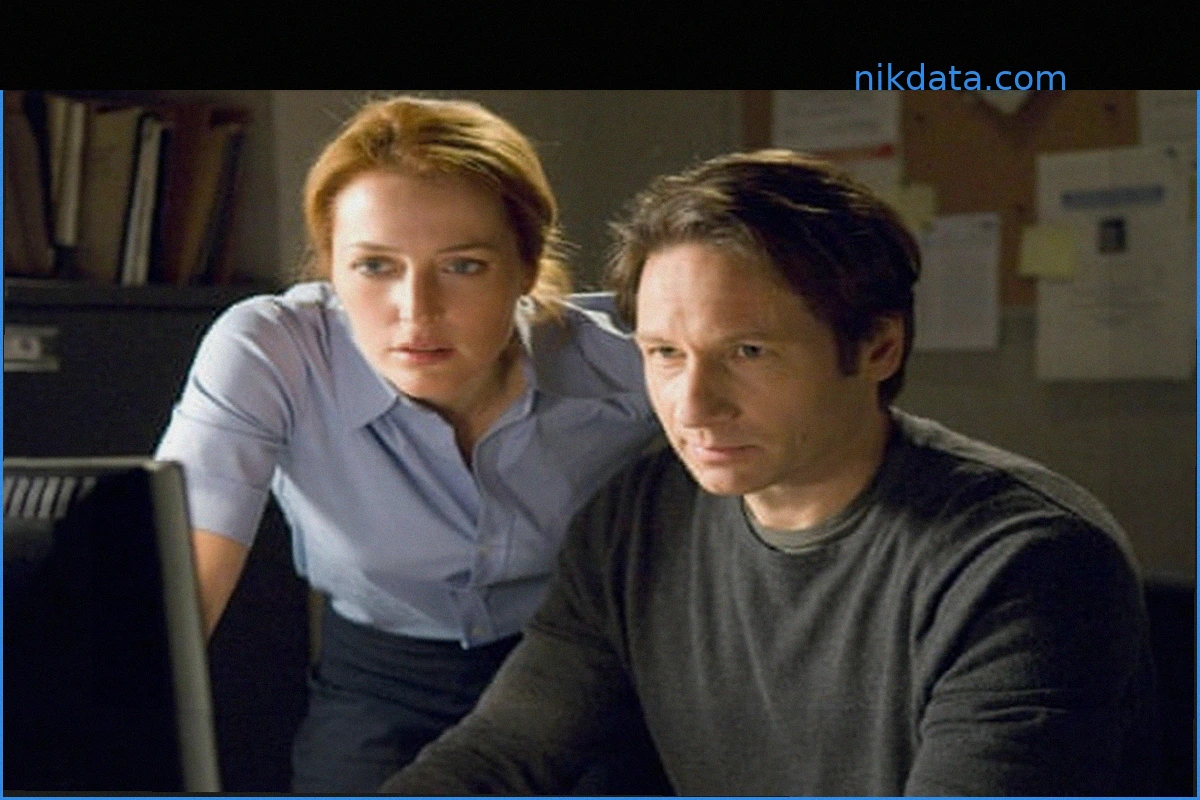
Chris Carter is mistaken if he thinks more gore will bring The X-Files: I Want to Believe back to life
While director's cuts are often lauded, "The X-Files: I Want to Believe – Vrach Frankenshteyn," a new version released on Disney+, is unlikely to change critical opinions of the original 2008 film. Director Chris Carter has emphasized the new version's graphic additions, b
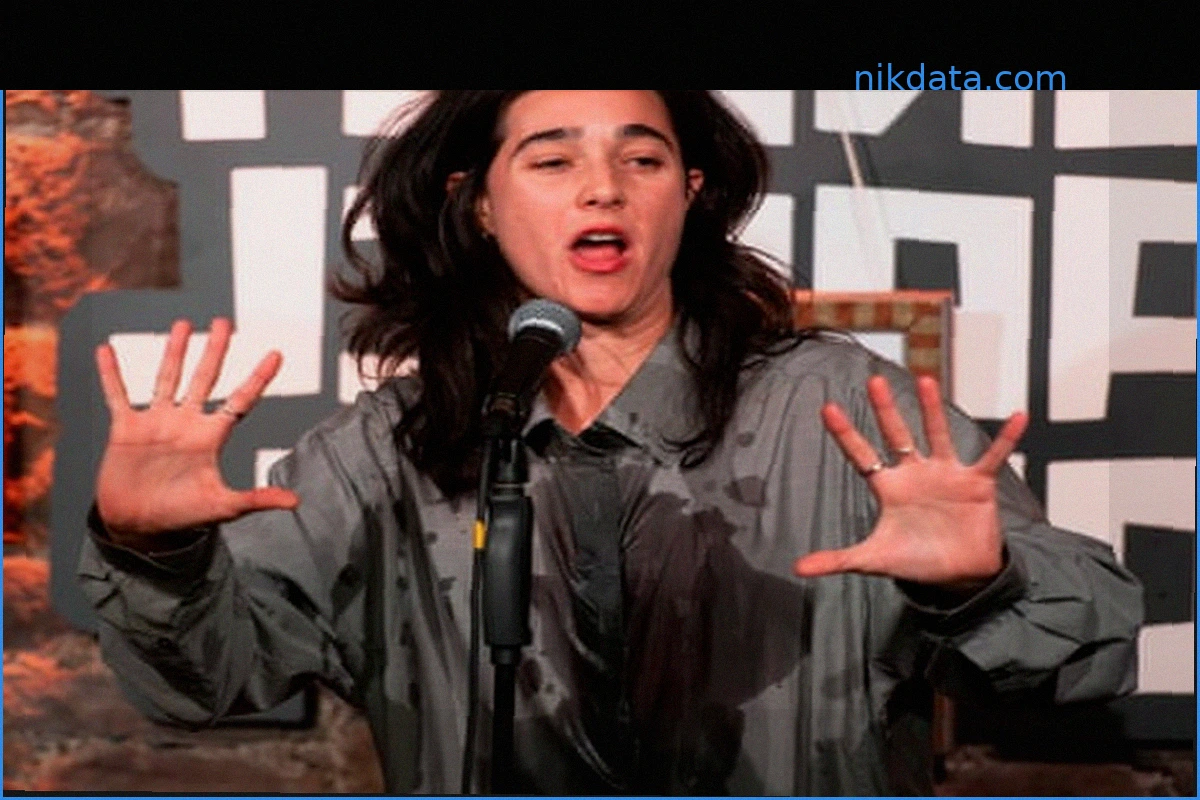
Lara Ricote: Inkling Review – This Fizzy Stand-Up’s Smart New Set is Her Best Yet
Lara Ricote delivers a rich and enjoyable show with "Inkling," a significant step forward from her already impressive early work. The Mexican-American comedian remains as endearing as ever, her drive to connect with the audience evident in a performance exploring how to decipher life's messages,

France-Lise McGurn: The Art of Embracing Life's Complexities
Artist France-Lise McGurn embraces the intricate nature of life, acknowledging that while parties are enjoyable, they eventually end. Her latest exhibition at Dundee Contemporary Arts, titled "The Charm Offensive," marks a significant expansion of her dynamic and vital paintings to an
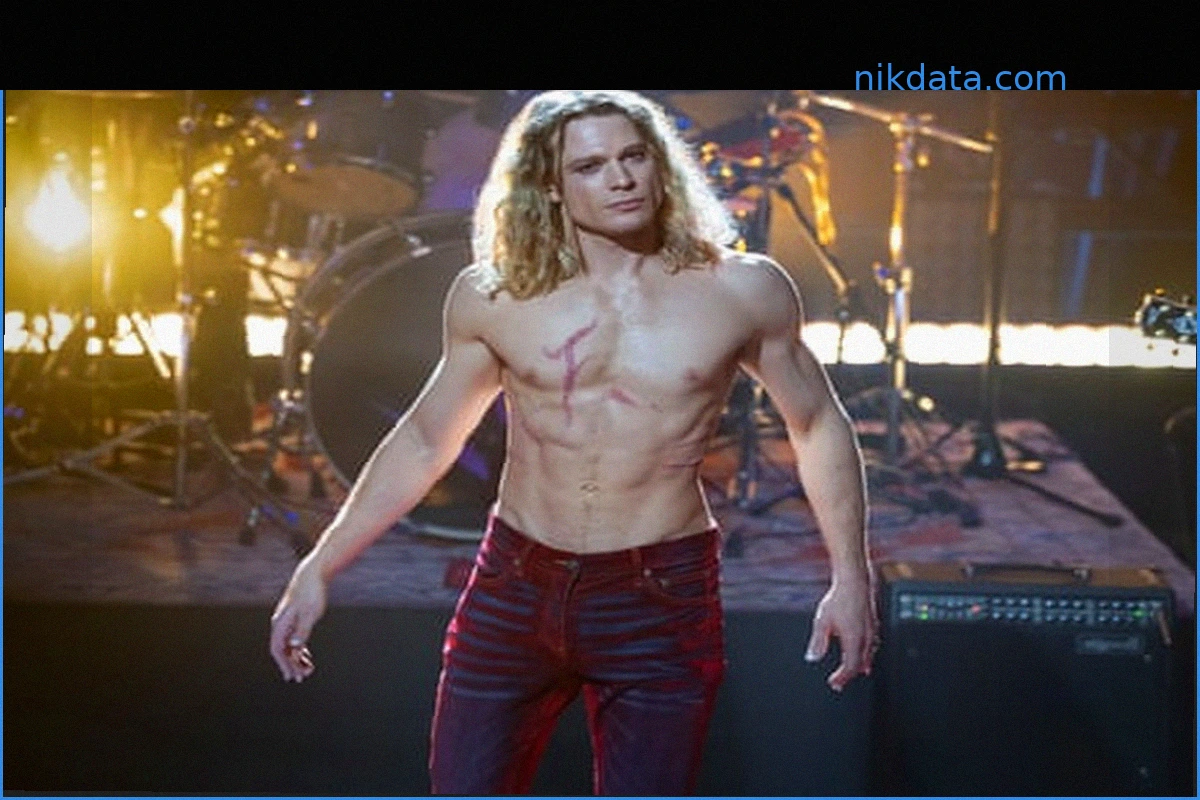
The Allure of TV Vampires: From Seductive Bad Boys to Queer Icons
TV audiences are remarkably forgiving when a fictional character wields fangs and dons velvet. Take, for instance, the musical drama The Vampire Lestat, which achieved cult status in the US and has now arrived in the UK, with Sam Reid's powerful portrayal of Lestat captivating view
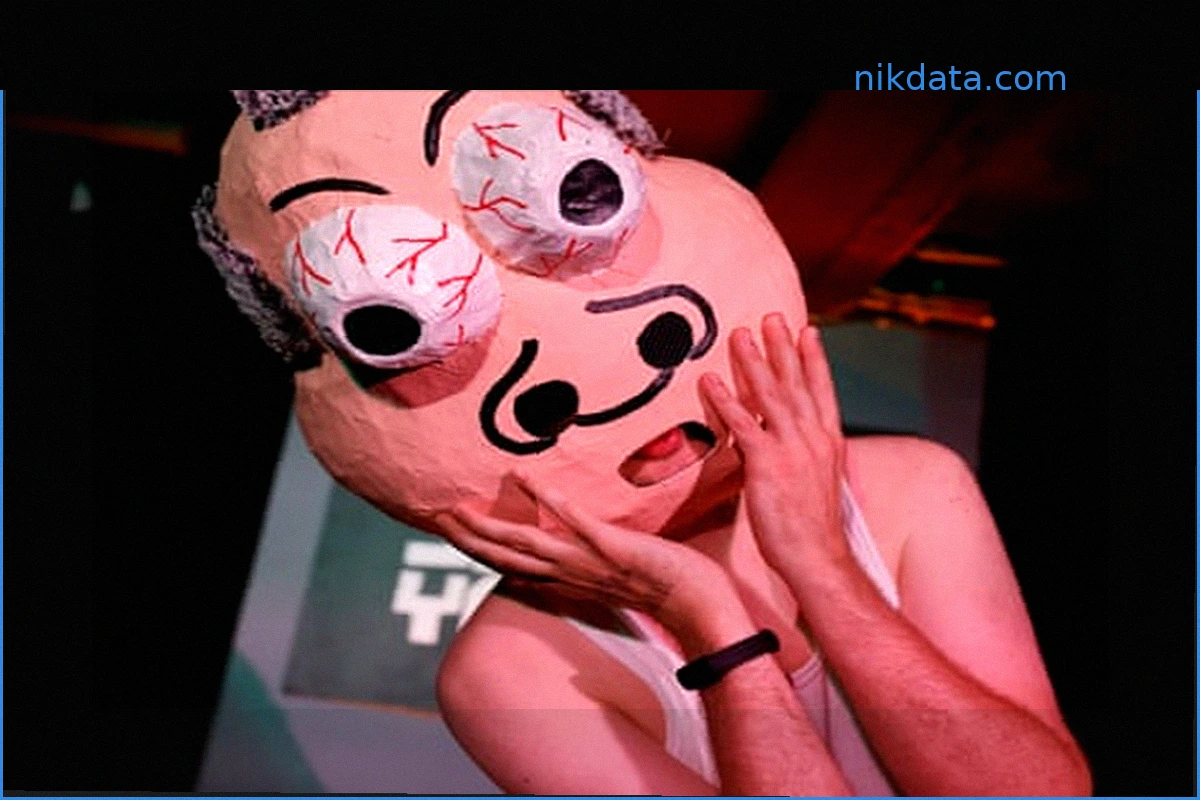
Sam Eley's Basil Crumbwick: A Hilarious, Cantankerous Cult Hit
Edinburgh's venues often host late-night cult favorites, reminiscent of past hits like Rob Kemp's mashup or Joe Kent-Walters' portrayal of Frankie Monroe. Sam Eley, in his role as Basil Crumbwick, bears a slight resemblance to Frankie Monroe, emerging as this year's potent