Meteorite's Discovery Offers Clues to Life's Origins
A meteorite that dramatically pierced a New Jersey homeowner's roof has provided scientists with significant insights into the beginnings of life. The fragments recovered from this rare space rock, which landed in Hillsborough, New Jersey, on July 16, 2024, have been meticulously analyzed by an international research team. Their groundbreaking findings, published in the journal Science Advances, suggest that primitive asteroids may have harbored conditions conducive to the formation of life's building blocks.
According to lead author Peter Jenniskens of the SETI Institute and NASA's Ames Research Center, the forensic examination of the meteorite's fragments revealed preserved remnants from the surface of a primordial asteroid. These remnants indicate the presence of concentrated salty fluids, a phenomenon not previously documented in this type of proto-planetary body.
The celestial visitor, estimated to be the size of a heavy airline bag and traveling at an astonishing 32,000 miles per hour, was observed by dozens of people across the northeastern United States. Its trajectory was traced back to the asteroid belt by cameras and doorbell footage. The fragile nature of the incoming object caused it to break apart in the atmosphere, with the main debris cloud detected by weather radar stretching across Staten Island and into New Jersey.
The homeowner in Hillsborough described hearing a loud crash, discovering a hole in their master bedroom ceiling, and noting a strong, sulfur-like odor. Black fragments and dust covered the room, and the homeowner swiftly documented and collected the samples, taking care to prevent contamination by using disposable gloves and storing the material in glass jars.
Laboratory analysis confirmed the meteorite to be an exceptionally rare primitive type known as a CM-class carbonaceous chondrite. Specifically, it was classified as a CM1/2 carbonaceous chondrite, placing it between two previously established categories. This classification makes it only the 22nd observed fall of a CM-type meteorite and, remarkably, just the second witnessed fall of a CM1/2 carbonaceous chondrite. The pristine condition of these samples, thanks to the homeowner's prompt action, is considered invaluable for scientific study.
The research highlights the significant role water played in the chemical evolution of these primitive asteroids. Similar to findings from samples returned from asteroids Ryugu and Bennu, the Hillsborough meteorite contains evidence of ancient briny fluids near its surface. Scientists identified salt-rich fragments, suggesting a process where liquid water evaporated, leaving behind increasingly concentrated salts. This salty chemistry is of particular interest as it could have maintained dissolved phosphates and facilitated chemical reactions involving organic compounds.
Furthermore, the meteorite yielded substantial organic molecules, including 1.8% carbon and 0.07% nitrogen by weight, with isotopic signatures typical of CM-type meteorites. These findings support the theory that primitive carbonaceous chondrites delivered organic matter to the early Earth, contributing to the prebiotic chemical soup from which life arose. The presence of a diverse range of soluble organic compounds, including numerous amino acids, indicates extensive alteration by water and suggests that these complex molecules formed within the parent asteroid, potentially driven by briny fluids.
Some fragments of this extraordinary meteorite will be preserved by the American Museum of Natural History in New York City, ensuring their availability for future scientific exploration and furthering our understanding of the universe's capacity to create the ingredients for life.
Fresh materials — Science news

GLP-1 Medications in Children Linked to Nutritional Deficiencies
Children prescribed GLP-1 medications for weight loss, prediabetes, or type 2 diabetes may face a significant nutritional risk. A study published in Childhood Obesity identified that almost 17% of young patients (16.8%) were diagnosed with a nutritional deficiency within their first year of tr
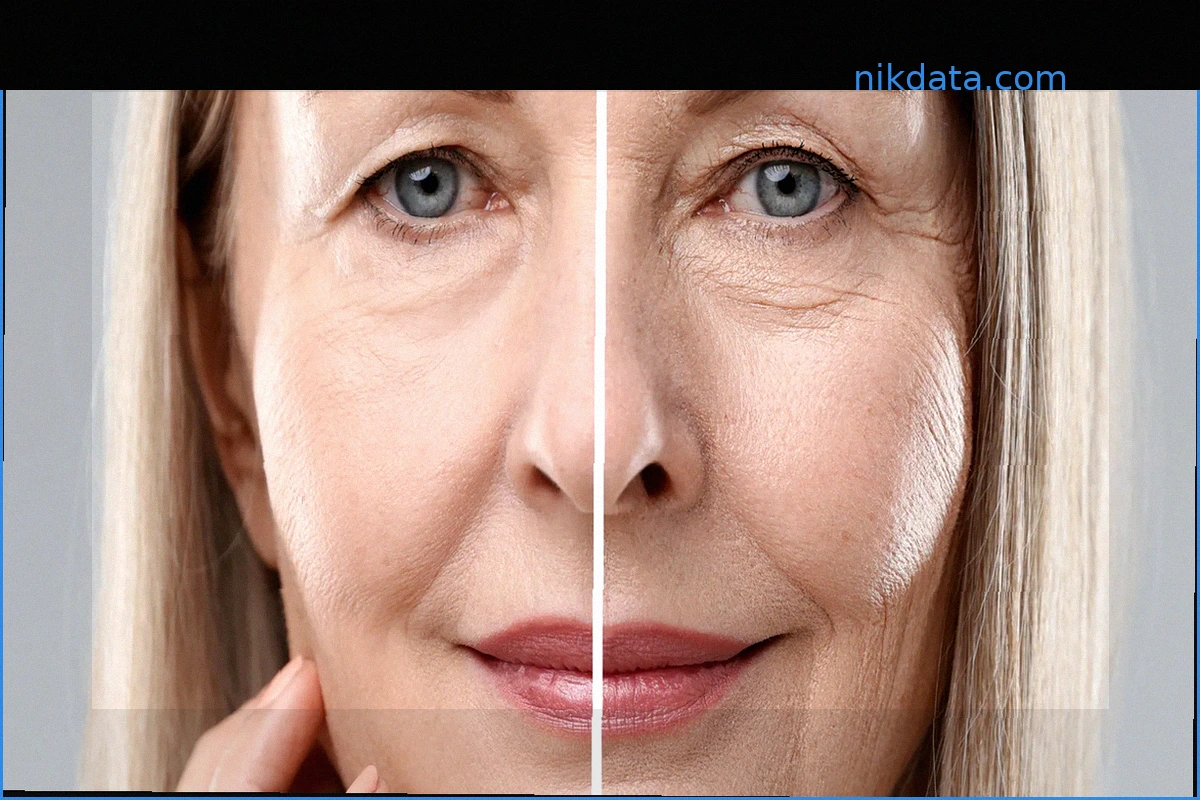
Dietary Changes May Reverse Biological Age in Older Adults Within 4 Weeks
Significant shifts in biological age markers are achievable for older adults in a remarkably short period, driven solely by dietary modifications. New findings from the University of Sydney indicate that Australians aged 65 to 75 who reduced either dietary fat or animal-based protein displayed
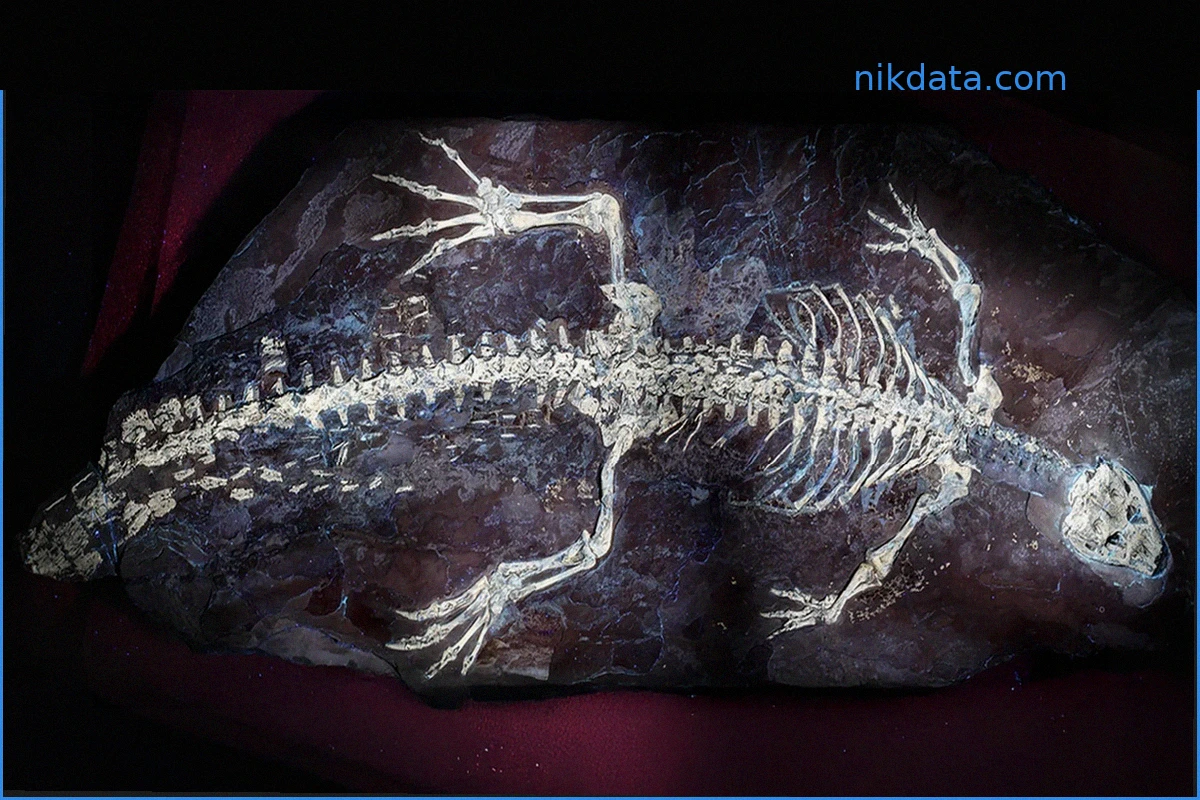
UV Light Reveals Possible Camouflage on 125-Million-Year-Old Crocodile Fossil
A remarkably preserved fossil from northeastern Spain offers a rare glimpse into the skin, soft tissues, and potential coloration of an ancient crocodile relative that lived approximately 125 million years ago. This new research, detailed in the Zoological Journal of the Linnean Society,
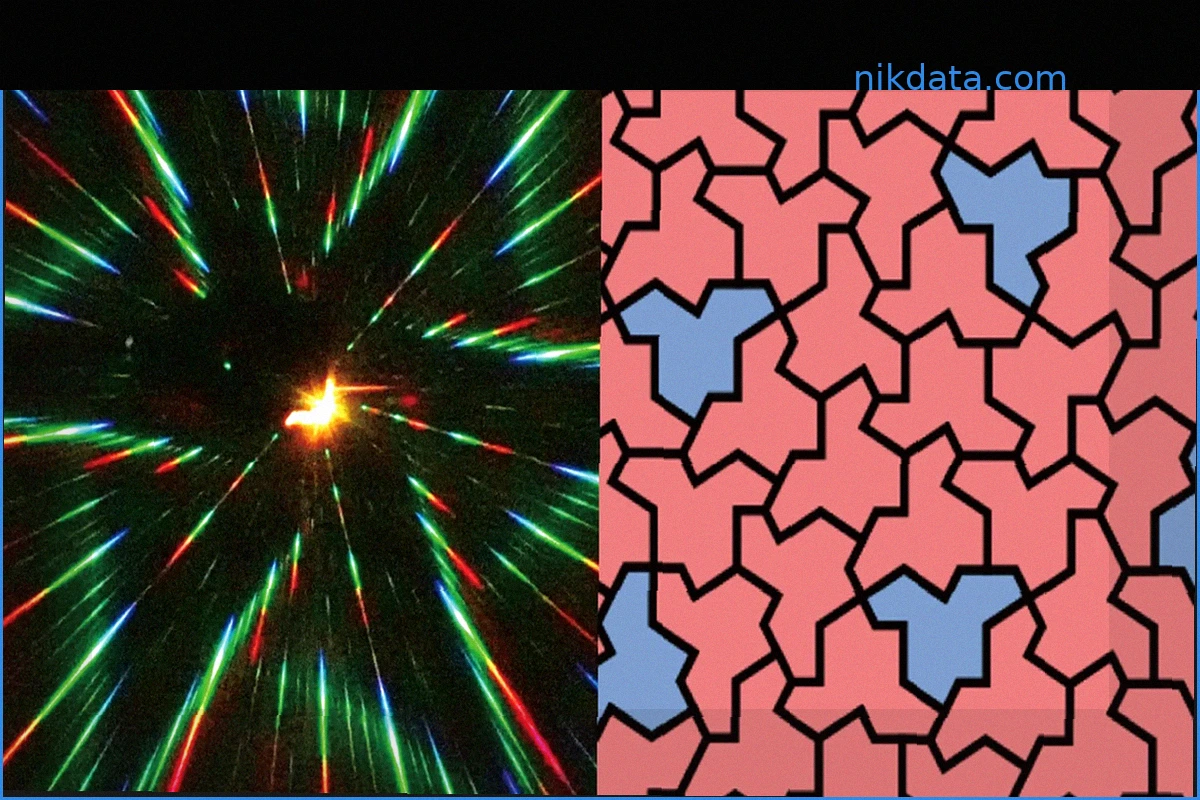
The Einstein Problem's Shape Reveals New Physics Through Light Patterns
A mathematical shape, famous for solving a decades-old puzzle, is now showing an unexpected link to physics. Structures based on this shape can make light form unusual chiral patterns, opening new avenues for studying how geometry affects optical behavior. Researchers from the Institute of

Screen Time's Unexpected Link to Kids' Cognitive Skills
A Finnish study has uncovered an unexpected correlation between screen usage and cognitive capabilities. Children who spent more time in front of screens as they grew tended to exhibit enhanced cognitive processing during their adolescent years. One of the lead researchers advises agai
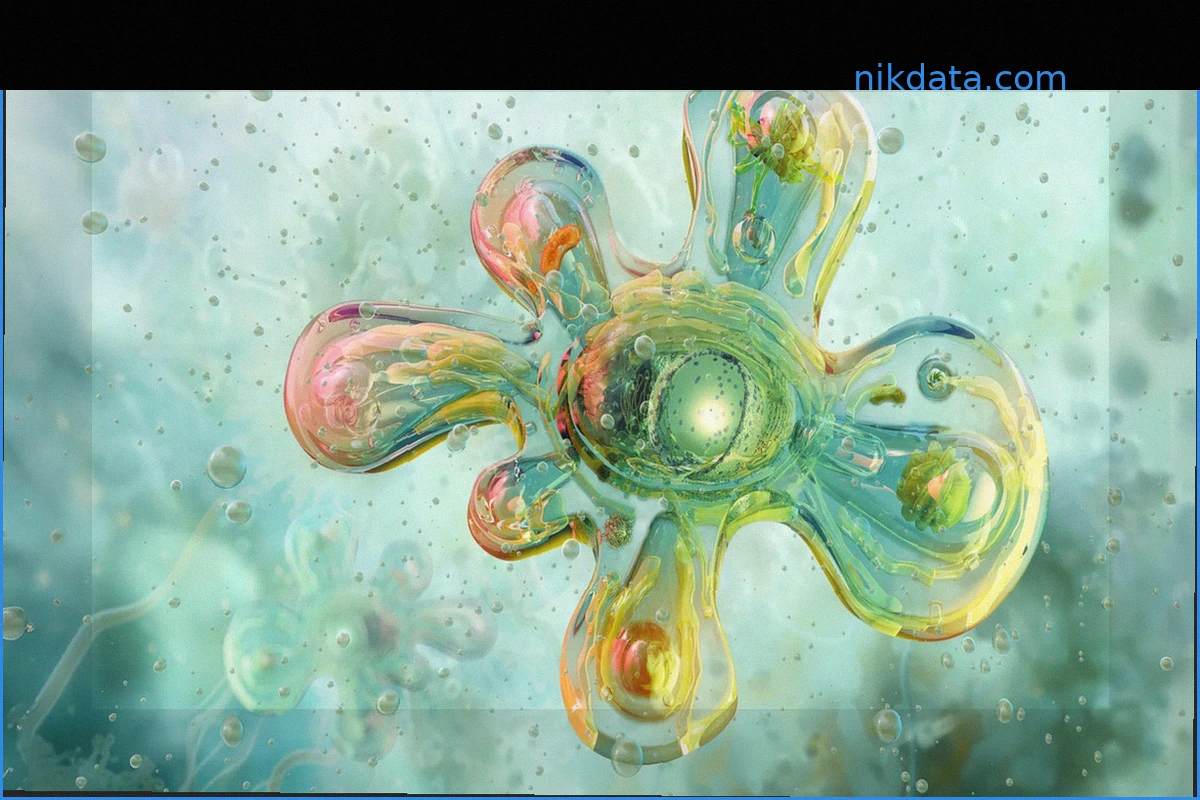
Tiny Fossils Reveal Secrets of Complex Life's Origin
While the hunt for life on Mars or distant icy moons often grabs headlines, a profound mystery about the emergence of complex life is unfolding much closer to home. Scientists are diligently working to pinpoint when the first eukaryotes appeared on Earth and how these pivotal organisms paved