Scientists Uncover Brain Cells Crucial for Sustained Motivation
Scientists have identified a specific group of brain cells, known as orexin neurons, that seem to play a vital role in maintaining our drive to pursue goals, especially when the path to reward becomes more challenging. Experiments with rats demonstrated that inhibiting the activity of these orexin neurons significantly diminished their motivation.
This groundbreaking discovery suggests that orexin neurons could be a key area for future research into understanding and potentially addressing why individuals sometimes find it difficult to sustain goal-directed behavior. The findings offer a promising new avenue for exploring the biological underpinnings of motivation.
English Translation:
Scientists Discover Brain Cells That Sustain Motivation
A cluster of brain cells called orexin neurons appears to be instrumental in helping us continue effort when obtaining a reward becomes progressively harder. Research involving rats showed that blocking their activity led to a weakening of motivation, indicating a potential new target for understanding why people can struggle to maintain goal-directed actions.
Fresh materials — Science news

GLP-1 Medications in Children Linked to Nutritional Deficiencies
Children prescribed GLP-1 medications for weight loss, prediabetes, or type 2 diabetes may face a significant nutritional risk. A study published in Childhood Obesity identified that almost 17% of young patients (16.8%) were diagnosed with a nutritional deficiency within their first year of tr

Dietary Changes May Reverse Biological Age in Older Adults Within 4 Weeks
Significant shifts in biological age markers are achievable for older adults in a remarkably short period, driven solely by dietary modifications. New findings from the University of Sydney indicate that Australians aged 65 to 75 who reduced either dietary fat or animal-based protein displayed
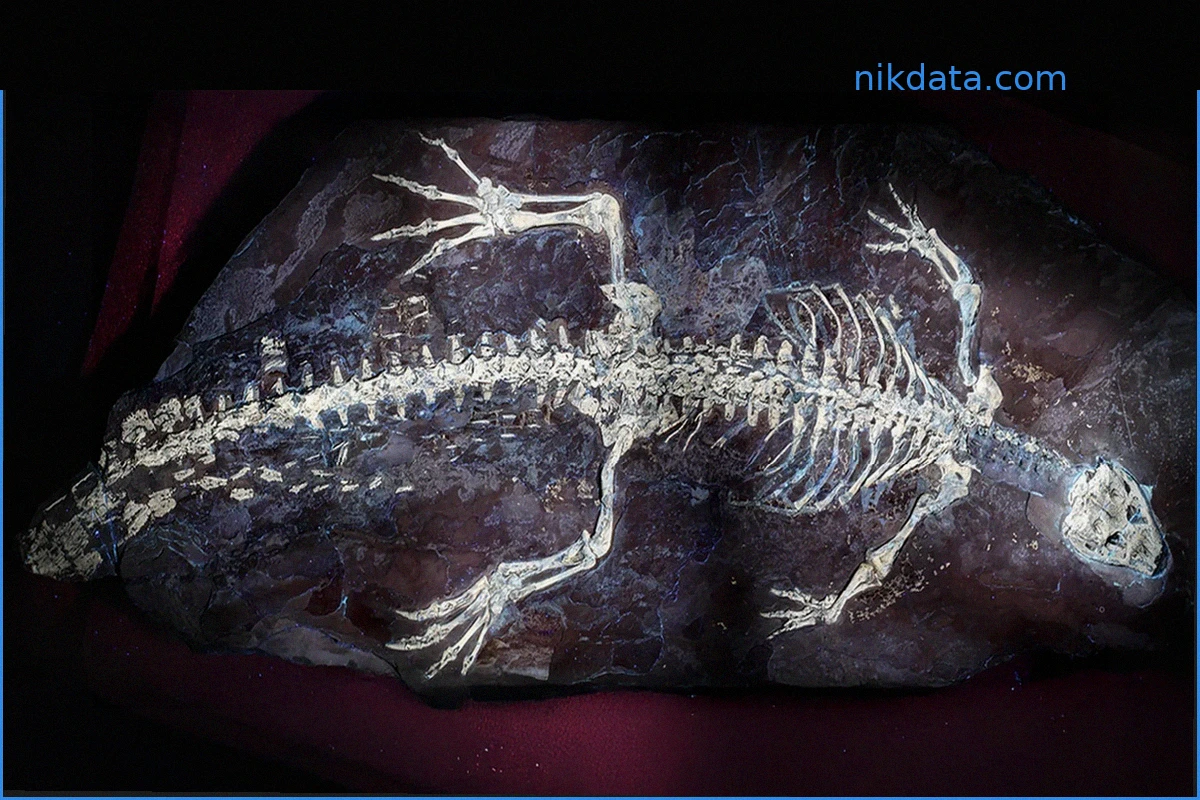
UV Light Reveals Possible Camouflage on 125-Million-Year-Old Crocodile Fossil
A remarkably preserved fossil from northeastern Spain offers a rare glimpse into the skin, soft tissues, and potential coloration of an ancient crocodile relative that lived approximately 125 million years ago. This new research, detailed in the Zoological Journal of the Linnean Society,
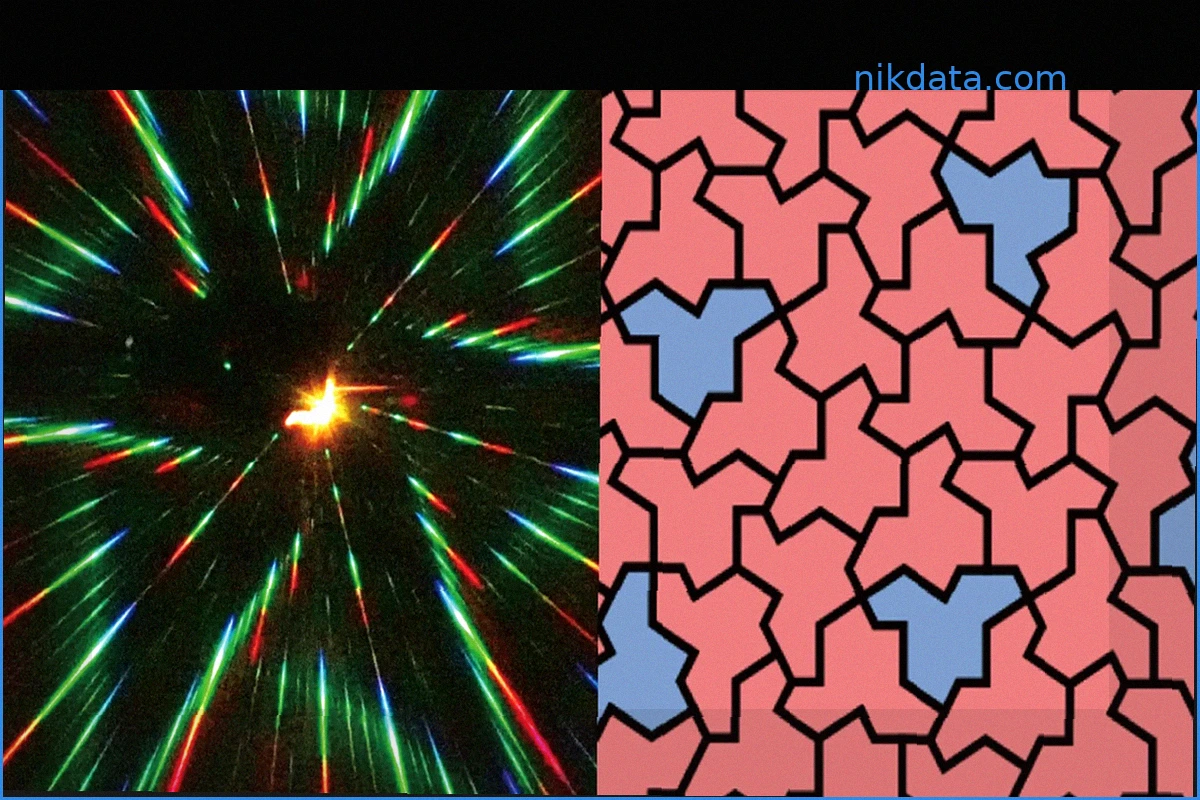
The Einstein Problem's Shape Reveals New Physics Through Light Patterns
A mathematical shape, famous for solving a decades-old puzzle, is now showing an unexpected link to physics. Structures based on this shape can make light form unusual chiral patterns, opening new avenues for studying how geometry affects optical behavior. Researchers from the Institute of

Screen Time's Unexpected Link to Kids' Cognitive Skills
A Finnish study has uncovered an unexpected correlation between screen usage and cognitive capabilities. Children who spent more time in front of screens as they grew tended to exhibit enhanced cognitive processing during their adolescent years. One of the lead researchers advises agai
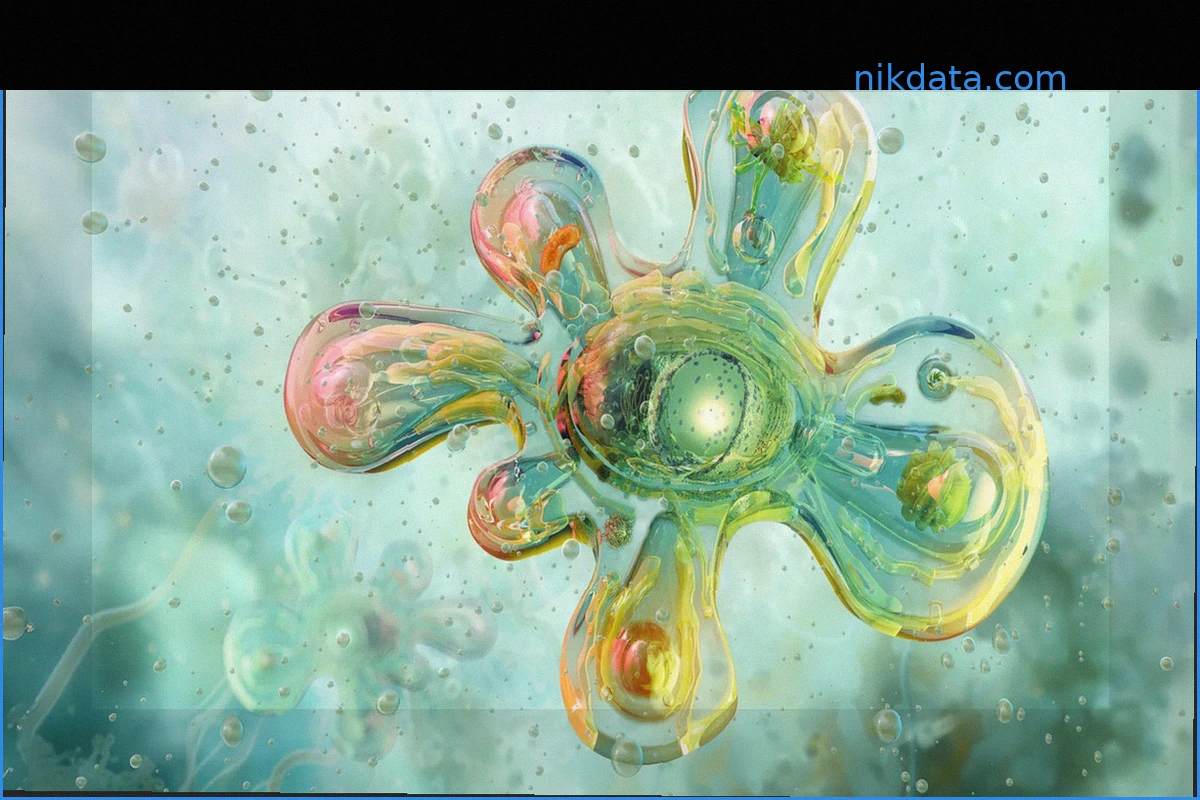
Tiny Fossils Reveal Secrets of Complex Life's Origin
While the hunt for life on Mars or distant icy moons often grabs headlines, a profound mystery about the emergence of complex life is unfolding much closer to home. Scientists are diligently working to pinpoint when the first eukaryotes appeared on Earth and how these pivotal organisms paved