Bluey's Classical Music Magic: Engaging a New Generation
Classical music consistently struggles to maintain its relevance and influence, often resorting to uninspired formats or attention-seeking tactics. However, a delightful, imaginative, and optimistic solution might be right before our eyes, presented with captivating charm.
This potential savior could very well be a blue heeler puppy: Bluey, the universally adored Australian animated series. Its phenomenal success is undeniable, ranking as the most-streamed show in the US last year with over 45 billion minutes viewed. Globally, its soundtracks and albums, primarily composed by Australian musician Joff Bush for all 154 episodes, have amassed billions of streams.
Joff Bush's contributions have established "Bluey music" as an extraordinarily broad and inclusive musical concept. He skillfully incorporates diverse genres—ranging from synth-pop and heavy metal to classical—to enhance the Heeler family's escapades. Crucially, his compositions avoid simplistic or clichéd genre-to-cultural associations.
This inventive approach is particularly evident in Bluey's classical music inclusions. For instance, Holst's "Jupiter" from The Planets beautifully underscores the "Sleepytime" episode, accompanying Bingo's fantastical cosmic voyage to sleep, navigating the "solar systems" of her toys, dad, and sister, before finding solace in her mother's embrace.
Similarly, Mozart's "Rondo alla Turca," the concluding movement of his Piano Sonata K331, featured prominently in Bluey's debut episode, "Magic Xylophone." This choice signaled Bush's clear intention to seamlessly integrate classical pieces, making them accessible to a global audience.
The genius behind Bush's musical direction, exemplified in the upcoming album "Up Here," lies in his organic integration of classical music. He doesn't force it upon the audience, but rather selects and adapts compositions perfectly suited to specific dramatic contexts, recomposing and rearranging them to align with Bluey's narrative needs.
Consequently, Bluey's use of classical works, from Bach's Fifth Brandenburg Concerto in "Stumpfest" to Handel's Concerto a Due Cori in "Seesaw," consistently avoids classical clichés. Bush refrains from using classical music to mock its perceived elitism or to demand artificial respect. This approach stands in stark contrast to previous cartoon generations, where composers like Carl Stalling and Scott Bradley (for Bugs Bunny and Tom and Jerry) often brilliantly parodied classical tropes, with Bugs mimicking Stokowski or Tom outperforming Horowitz.
The forthcoming Bluey album commences with a vibrant three-and-a-half-minute orchestral tone poem based on the show's theme, effectively serving as a modern "Young Person's Guide to the Orchestra." It cleverly begins with a nod to the bassoon solo from Stravinsky's The Rite of Spring, then features characters introducing different orchestral sections (strings, woodwind, percussion, brass). This segment joyfully weaves through various musical references, including excerpts from Mozart's Eine Kleine Nachtmusik, Vivaldi's "Spring" from The Four Seasons, Bach's Fifth Brandenburg Concerto's first movement, Gershwin's Rhapsody in Blue clarinet solo, and Mozart's "Rondo alla Turca," culminating in a full orchestral rendition of the Bluey theme.
In essence, the future of classical music seems promising. By encouraging children and families to continue watching Bluey, they will joyfully and deeply engage with more classical compositions than nearly any preceding generation.
Fresh materials — Society news
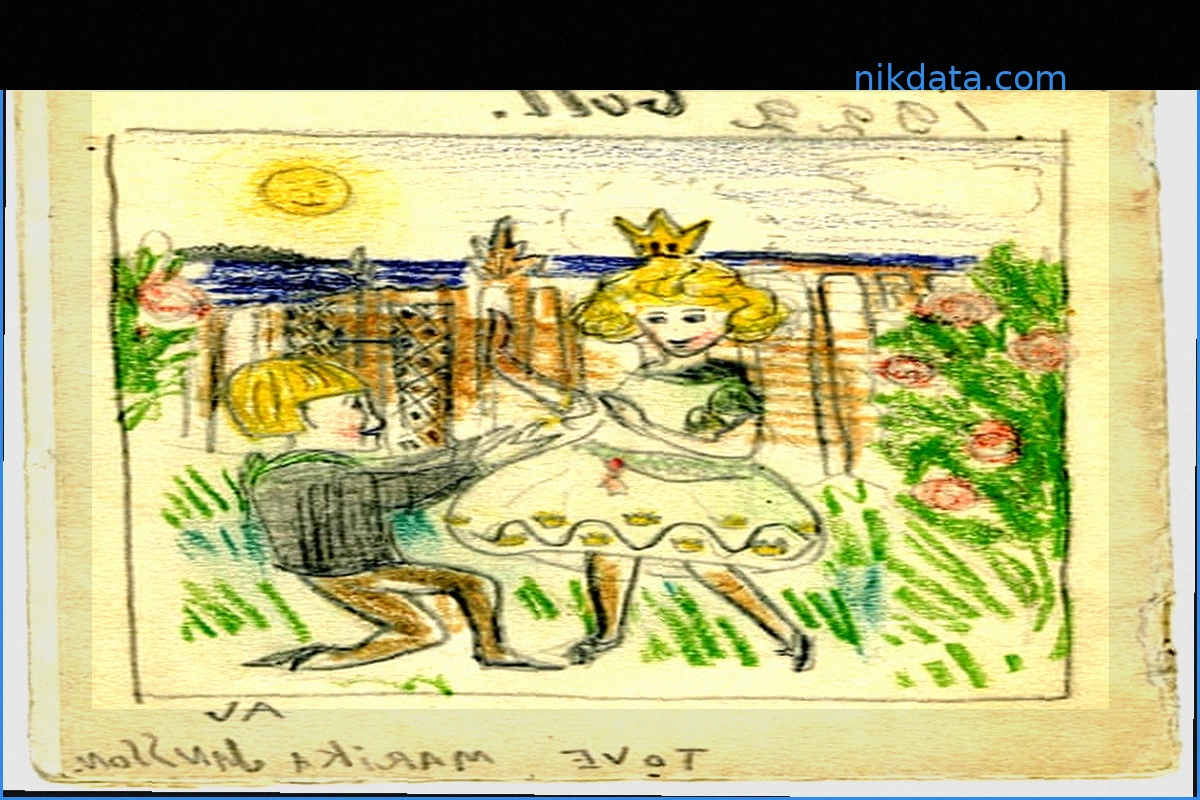
Unseen Drawings by Tove Jansson, Creator of the Moomins, to Feature in London Exhibition
Previously unseen drawings by Tove Jansson, the Finnish artist and writer behind the globally popular Moomin books, will be exhibited in London. The Moomins, described as lovable trolls with hippopotamus snouts who live in harmony with nature, have sold up to 30 million copies since Jansson cr

Mr T: I Pity the Fool Review – A Rare Chance with an Electrifying Star… And They Blew It
Reflecting on childhood memories, one might ask when was the last time entertainment rivaled the joy of watching "The A-Team." For many, the documentary "Mr T: I Pity the Fool" evokes the iconic character of B.A. Baracus, the genius engineer and fan-favorite from the soldiers of fortu
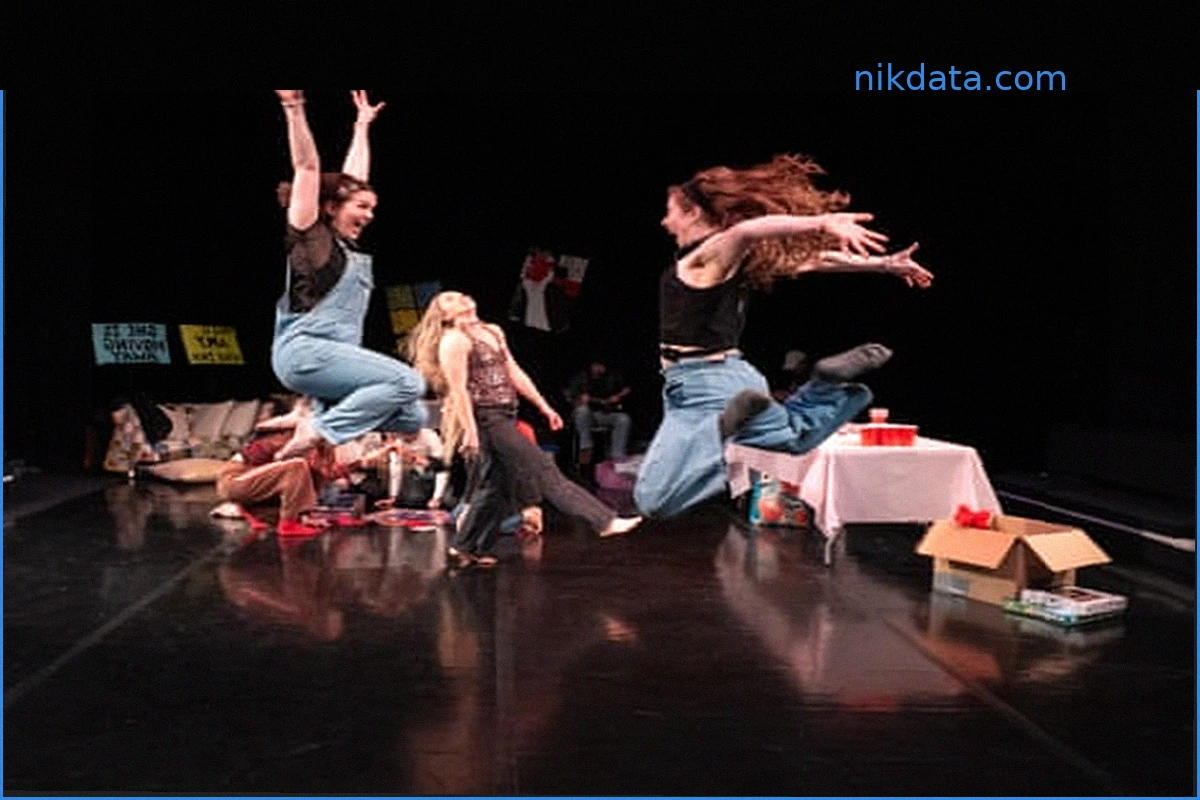
Review: I Made You a Mixtape - Energetic Dorm Party Fun
"I Made You a Mixtape" is an undefinable, vibrant, and somewhat chaotic performance, unlike any other. As director Christie Lee Manning of Response Theatre Company explains, it's not strictly a play, musical, or dance show, despite being predominantly dance-focused with th
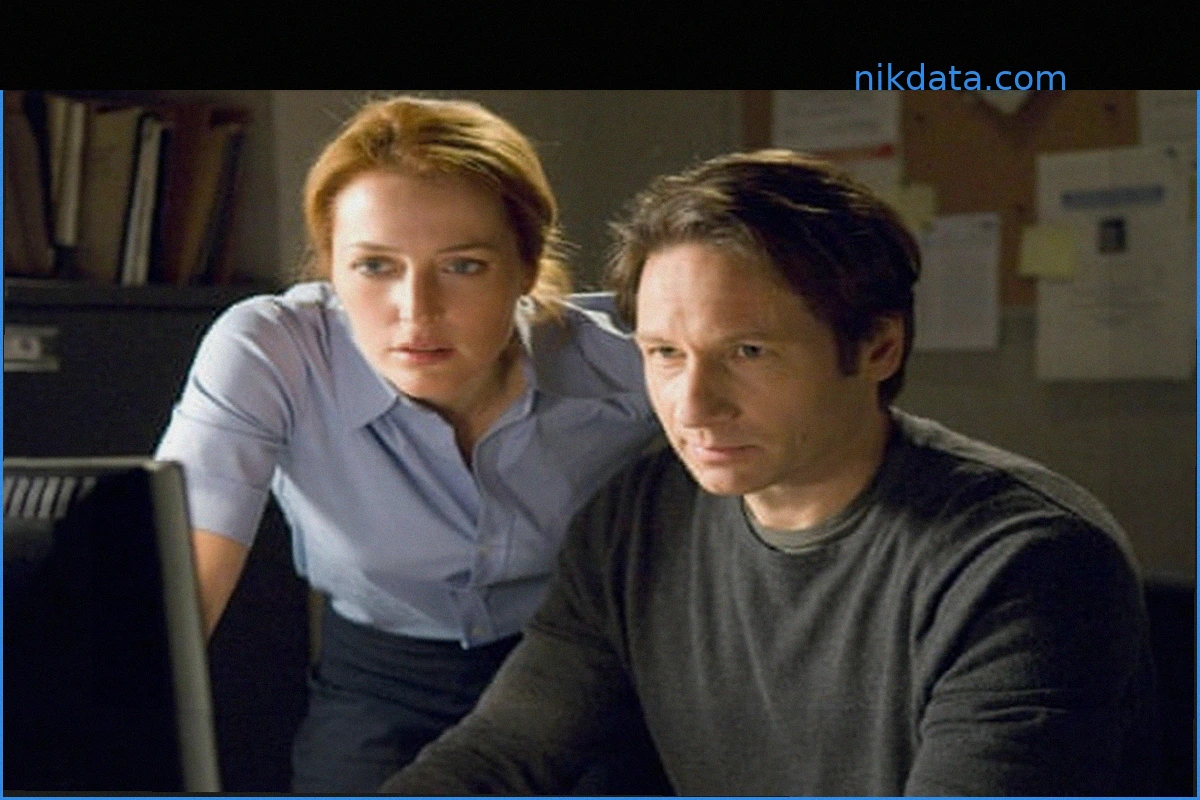
Chris Carter is mistaken if he thinks more gore will bring The X-Files: I Want to Believe back to life
While director's cuts are often lauded, "The X-Files: I Want to Believe – Vrach Frankenshteyn," a new version released on Disney+, is unlikely to change critical opinions of the original 2008 film. Director Chris Carter has emphasized the new version's graphic additions, b
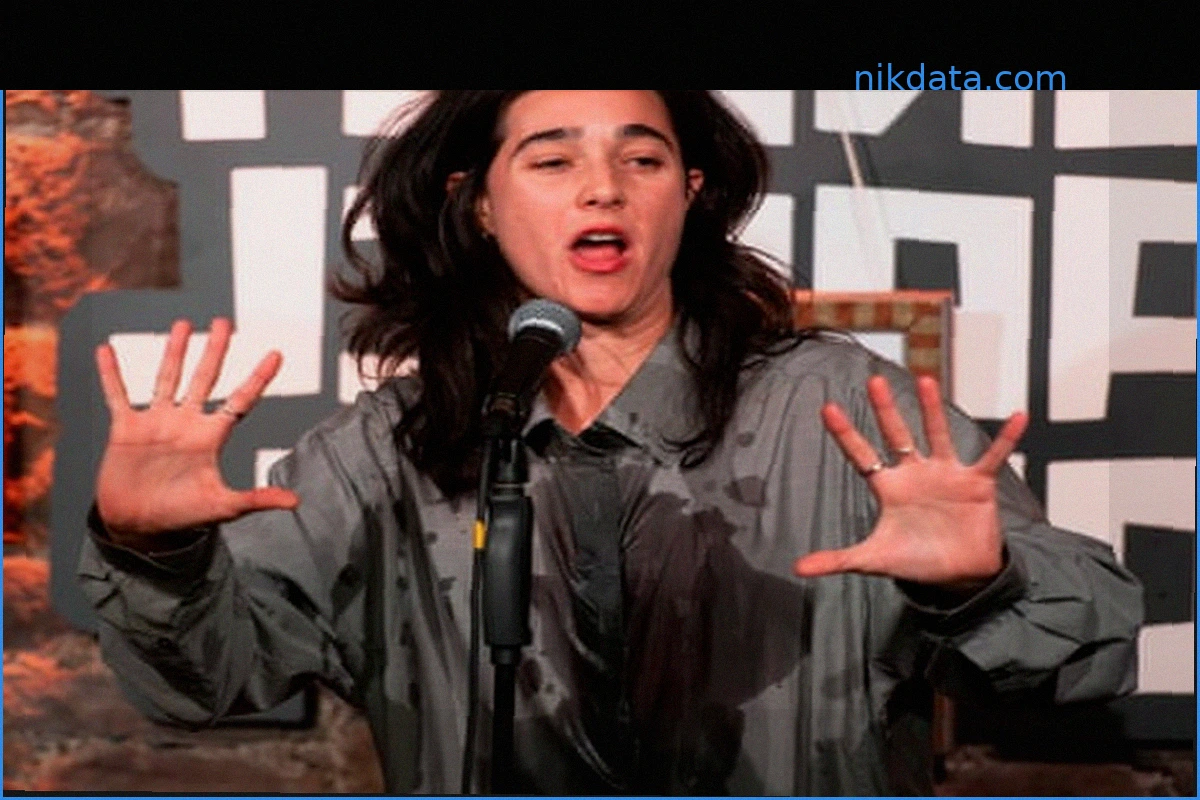
Lara Ricote: Inkling Review – This Fizzy Stand-Up’s Smart New Set is Her Best Yet
Lara Ricote delivers a rich and enjoyable show with "Inkling," a significant step forward from her already impressive early work. The Mexican-American comedian remains as endearing as ever, her drive to connect with the audience evident in a performance exploring how to decipher life's messages,
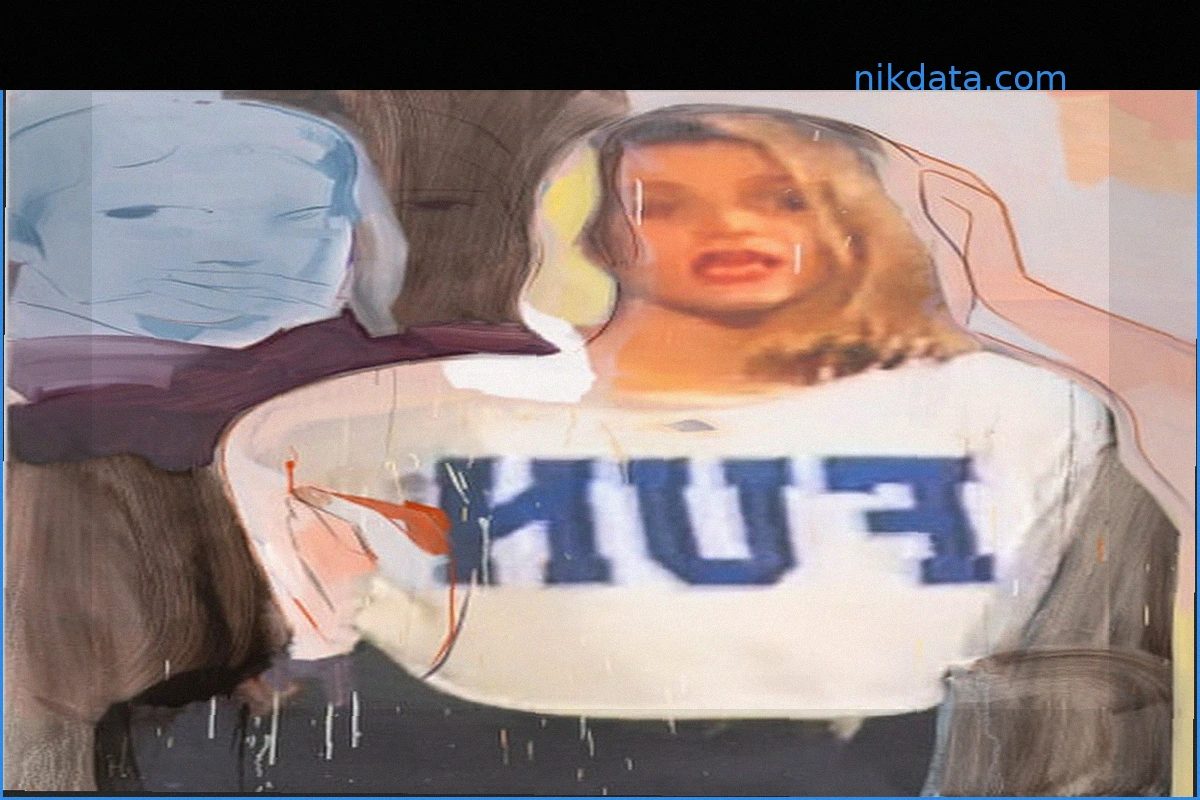
France-Lise McGurn: The Art of Embracing Life's Complexities
Artist France-Lise McGurn embraces the intricate nature of life, acknowledging that while parties are enjoyable, they eventually end. Her latest exhibition at Dundee Contemporary Arts, titled "The Charm Offensive," marks a significant expansion of her dynamic and vital paintings to an