‘We have to become warriors’: the fight to save the world’s only women’s sculpture park
Claire Mander, driven by the overwhelming number of monuments in London created by men, envisioned the Artist’s Garden as a crucial step towards rectifying this imbalance. However, she now expresses concern that the park might be repurposed into a nondescript venue for exclusive VIP gatherings and cocktail parties.
A decade ago, while pursuing her Master's degree in art history at London's Courtauld Institute, Mander discovered the disused roof terrace of the nearby Temple underground station. This neglected, overgrown area, offering breathtaking vistas of the Thames and the London Eye, held an unusual allure for her. Mander, who now directs and curates Colab, an arts charity and incubator focused on large-scale outdoor sculptures, remembers it as "dirty, abandoned, and a magnet for antisocial behaviour."
Her research into the history of the site, constructed as part of the Victoria Embankment in 1870, revealed an even older connection to sculpture. Prior to its embankment construction, the land was home to a 17th-century sculpture garden established by the Countess of Arundel.
'We have to become warriors': the fight to save the world’s only women’s sculpture park
Claire Mander, aiming to correct the gender imbalance in London's public art, conceived the Artist’s Garden. She now fears it could be transformed into a generic space for VIP events.
Ten years ago, during her MA in art history at London's Courtauld Institute, Mander found the neglected roof terrace of Temple underground station. She was drawn to the overgrown space with its views of the Thames and London Eye. Mander, director of Colab, an arts charity specializing in large outdoor sculptures, described it as "dirty, abandoned and a magnet for antisocial behaviour."
She discovered the site was built as part of the Victoria Embankment in 1870. Before that, the land had a 17th-century sculpture garden created by the Countess of Arundel.
"We must become warriors": The battle to preserve the world's sole women's sculpture park
Claire Mander, recognizing the male dominance in London's monumental art, envisioned the Artist’s Garden as a way to counterbalance this. Now, she warns that it could be converted into a generic space for high-profile events and social gatherings.
A decade ago, while studying for her art history MA at the Courtauld Institute in London, Mander stumbled upon the derelict roof terrace of the adjacent Temple underground station. She found herself inexplicably drawn to the overgrown expanse, which offered spectacular views of the Thames and the London Eye. Mander, now the director and curator of Colab, an arts charity and incubator focusing on large-scale outdoor sculptures, recalled, "It was dirty, abandoned and a magnet for antisocial behaviour."
She researched the history of the abandoned space, originally built as part of the Victoria Embankment in 1870. Before that, the site's ground was home to a 17th-century sculpture garden established by the Countess of Arundel.
Fresh materials — Society news
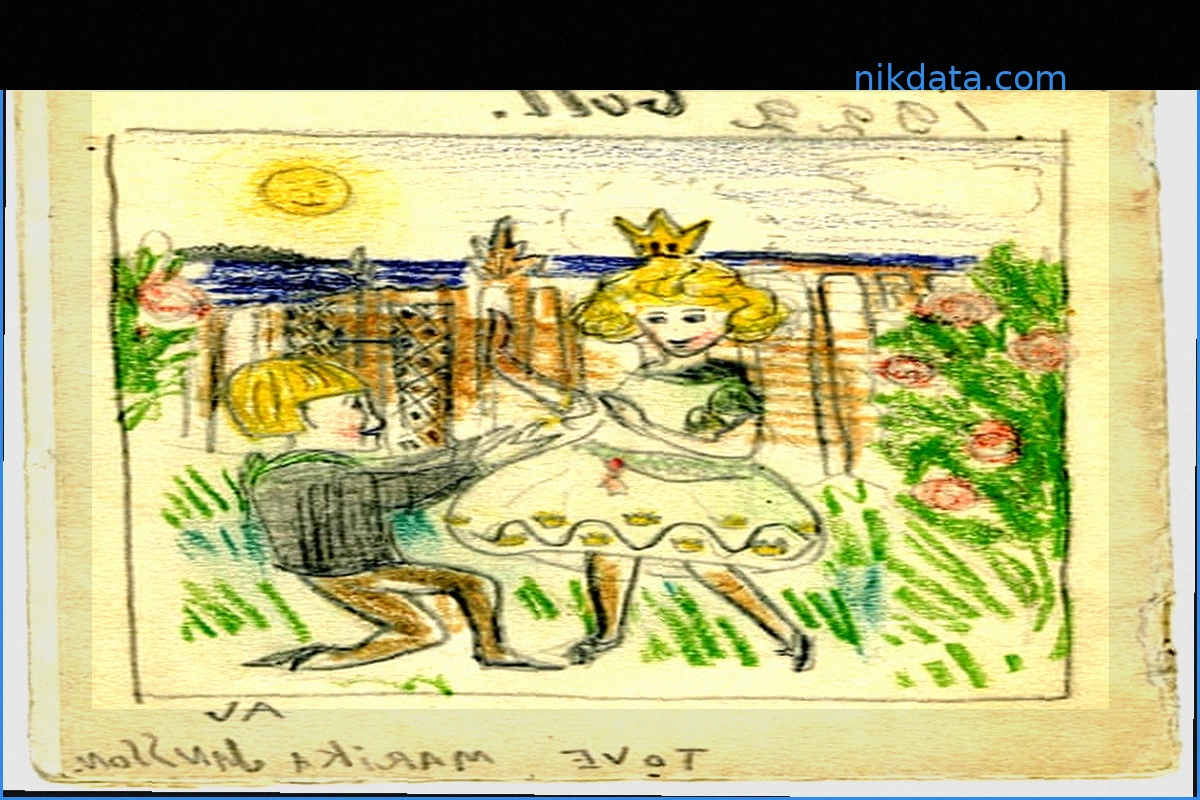
Unseen Drawings by Tove Jansson, Creator of the Moomins, to Feature in London Exhibition
Previously unseen drawings by Tove Jansson, the Finnish artist and writer behind the globally popular Moomin books, will be exhibited in London. The Moomins, described as lovable trolls with hippopotamus snouts who live in harmony with nature, have sold up to 30 million copies since Jansson cr

Mr T: I Pity the Fool Review – A Rare Chance with an Electrifying Star… And They Blew It
Reflecting on childhood memories, one might ask when was the last time entertainment rivaled the joy of watching "The A-Team." For many, the documentary "Mr T: I Pity the Fool" evokes the iconic character of B.A. Baracus, the genius engineer and fan-favorite from the soldiers of fortu
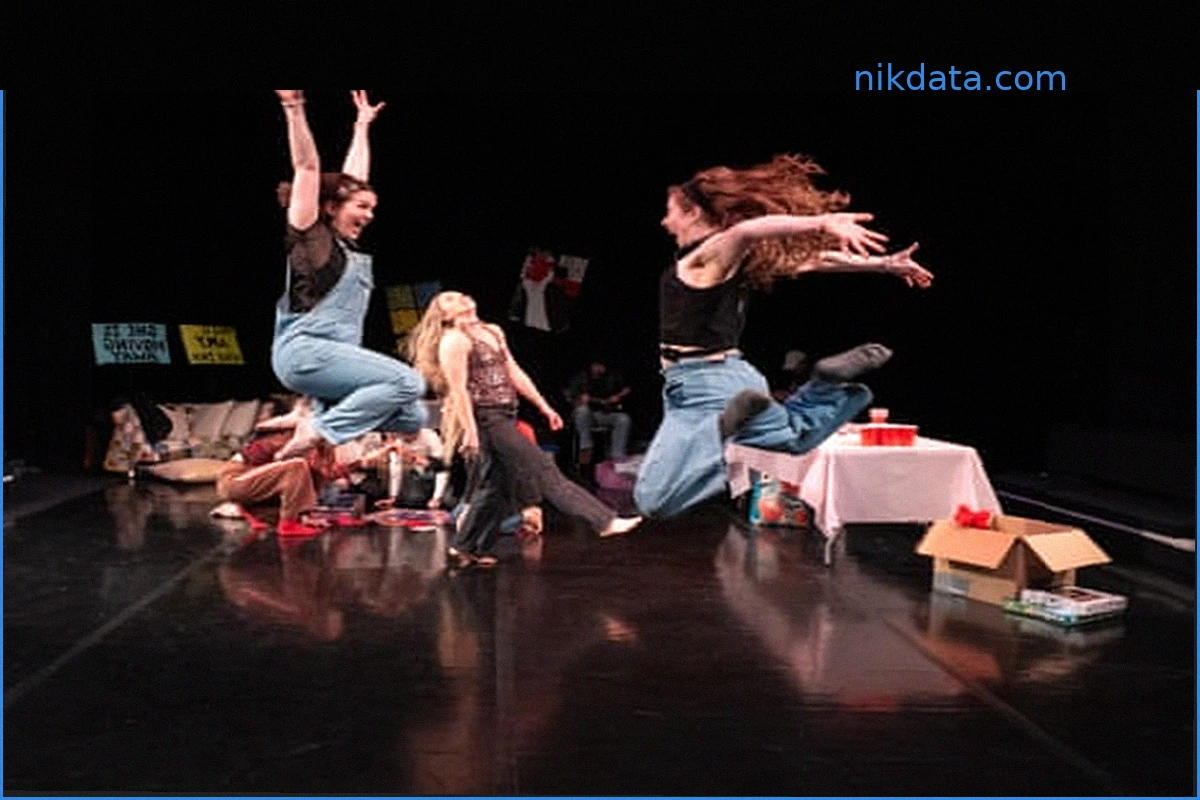
Review: I Made You a Mixtape - Energetic Dorm Party Fun
"I Made You a Mixtape" is an undefinable, vibrant, and somewhat chaotic performance, unlike any other. As director Christie Lee Manning of Response Theatre Company explains, it's not strictly a play, musical, or dance show, despite being predominantly dance-focused with th
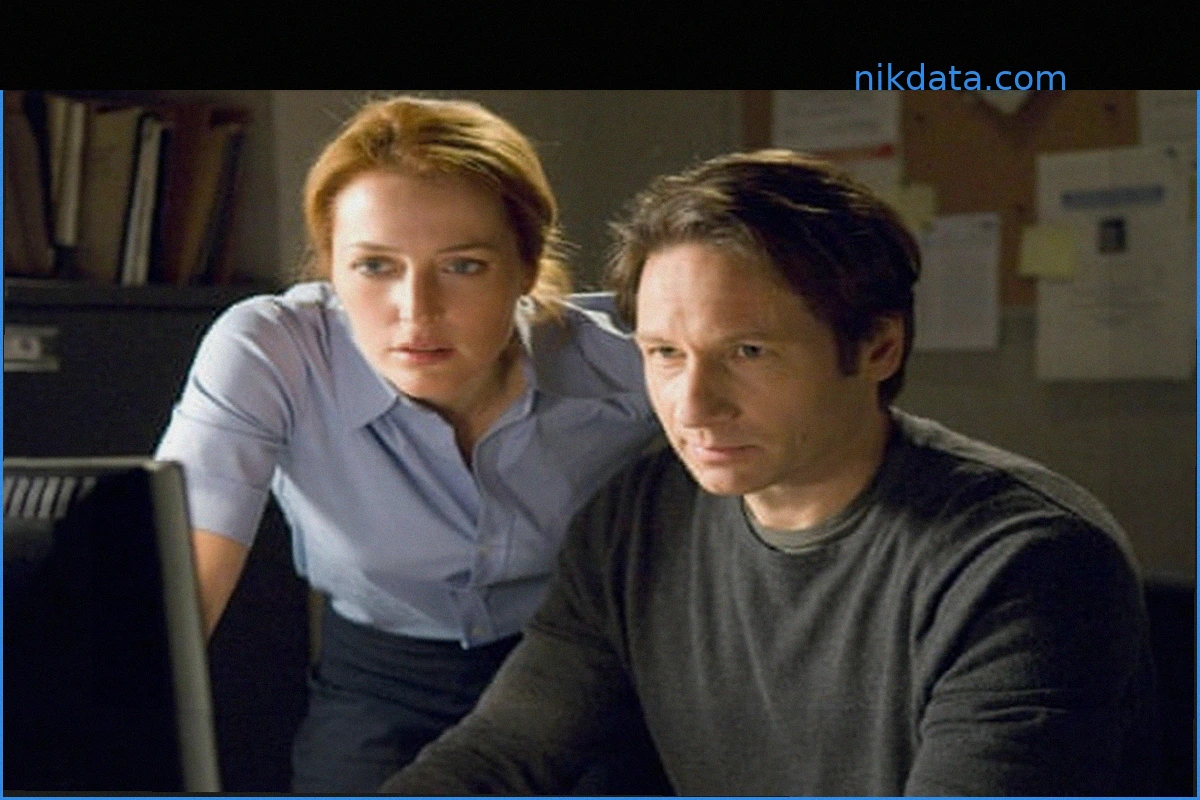
Chris Carter is mistaken if he thinks more gore will bring The X-Files: I Want to Believe back to life
While director's cuts are often lauded, "The X-Files: I Want to Believe – Vrach Frankenshteyn," a new version released on Disney+, is unlikely to change critical opinions of the original 2008 film. Director Chris Carter has emphasized the new version's graphic additions, b
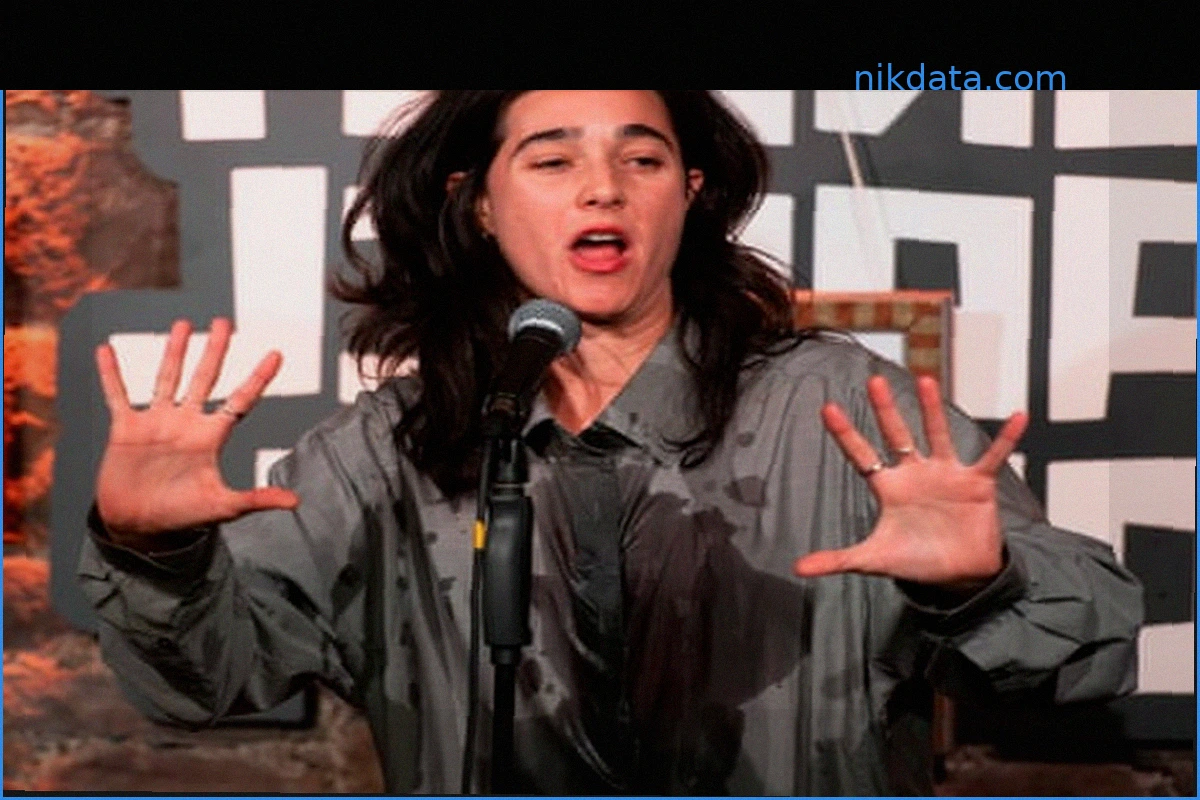
Lara Ricote: Inkling Review – This Fizzy Stand-Up’s Smart New Set is Her Best Yet
Lara Ricote delivers a rich and enjoyable show with "Inkling," a significant step forward from her already impressive early work. The Mexican-American comedian remains as endearing as ever, her drive to connect with the audience evident in a performance exploring how to decipher life's messages,
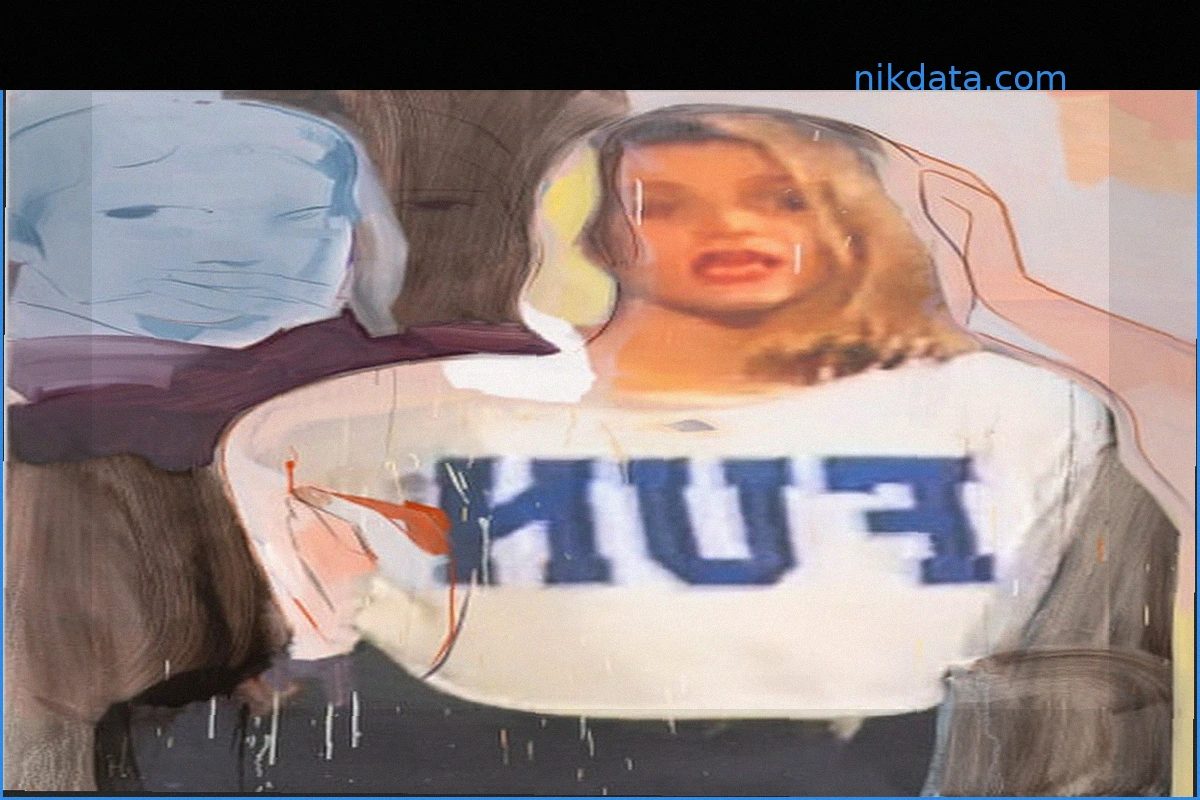
France-Lise McGurn: The Art of Embracing Life's Complexities
Artist France-Lise McGurn embraces the intricate nature of life, acknowledging that while parties are enjoyable, they eventually end. Her latest exhibition at Dundee Contemporary Arts, titled "The Charm Offensive," marks a significant expansion of her dynamic and vital paintings to an