236-Million-Year-Old Fossil Suggests Early Live Birth in Mammal Ancestors
Scientists may have to revise the evolutionary timeline of mammalian reproduction. A new study, published in Frontiers in Mammal Science, presents the first strong evidence that some cynodonts, the ancestors of mammals, may have given birth to live young much earlier than previously understood.
Scientists may have to revise the evolutionary timeline of mammalian reproduction. A new study, published in Frontiers in Mammal Science, presents the first strong evidence that some cynodonts, the ancestors of mammals, may have given birth to live young much earlier than previously understood. This suggests that viviparity, or live birth, could have originated in the mammalian lineage at least 90 to 95 million years earlier than current estimates.
Dr. Leandro Gaetano, the lead author and a paleontologist from the National Scientific and Technical Research Council (CONICET) in Argentina, stated, "We show for the first time that live birth was present in at least one mammalian ancestor, Chiniquodon theotonicus, which lived approximately 236 million years ago."
Cynodonts flourished during the Triassic period, a time of significant ecosystem recovery and restructuring following a major extinction event. This environment was characterized by intense competition for resources and high predation. Adriana Mancuso, a senior author and researcher at CONICET, noted that in such conditions, embryos of viviparous species would likely have been better protected than those of egg-laying species.
The investigation began when researchers observed an unusual growth mark in the microscopic structure of a well-preserved C. theotonicus fossil found in northwestern Argentina. This mark, identified as a neonatal line, forms in bones or teeth due to a rapid growth spurt shortly after birth. By estimating the fossilized individual's body mass as a newborn and comparing it to its adult mass, and then cross-referencing these ratios with data from thousands of living mammals, reptiles, and birds, the team sought to confirm their interpretation.
"Whether mammalian ancestors were egg-laying or viviparous has been considered an inscrutable mystery," Dr. Gaetano commented. "We developed a rather ingenious set of methods to tackle something very difficult to analyze in the fossil record."
Using measurements from the fossilized bones, researchers estimated the C. theotonicus individual's birth weight and final weight. The neonatal line indicated a birth weight of approximately 1.7 kg, while the outer bone surface suggested a final weight of roughly 12 kg. This means the newborn constituted about 14% of its adult body mass.
This ratio is notably higher than that observed in most living reptiles. For example, turtles, snakes, and crocodilians in the 8kg to 14.5kg range produce hatchlings weighing only 9g to 53g, resulting in neonate-adult body mass ratios of 0.1% to 0.6%. Similarly, birds tend to have relatively small offspring. Cranes, pelicans, and vultures weighing between 8kg and 21.5kg have hatchlings ranging from 110g to 357g, corresponding to neonate-adult ratios of about 1.3% to 4.5%.
In contrast, mammals of similar adult size (8kg to 15kg) can give birth to much heavier young, with neonate-adult body mass ratios reaching up to 18.77%. The bay duiker antelope, for instance, gives birth to offspring whose weight is comparable to the estimated newborn C. theotonicus. The researchers focused their comparisons on placental mammals, excluding egg-laying and marsupial mammals that produce very small newborns.
"We were amazed to find that C. theotonicus grouped with extant placental mammals, being clearly distinct from other amniotes like reptiles or birds," Dr. Gaetano remarked.
Co-author María Miceli Baro, a graduate student at the University of Buenos Aires, added, "In cynodonts, embryonic tissues were never observed before, let alone a neonatal line. Through its analysis, we found that a trait that is generally linked to evolutionary success was present in animals long before true mammals originated."
The prevailing view has been that live birth evolved relatively late in the mammalian lineage. These findings suggest it may have emerged much earlier, potentially indicating that other traits previously thought to have evolved later were already present in cynodonts.
Dr. Gaetano concluded, "It is very well possible that C. theotonicus does not represent an isolated case of viviparity among cynodonts. It could be evidence of the general switch from laying eggs to giving birth to live young early on in the mammalian lineage. But we need more evidence to test this hypothesis. Still, it looks like some cynodonts were in fact very similar to present-day mammals."
English Translation:
236-Million-Year-Old Fossil Could Rewrite the Story of Mammalian Birth
Some cynodonts may have started giving birth to live young far earlier in evolutionary history than scientists once believed. A new study published in Frontiers in Mammal Science presents the first compelling evidence that at least some cynodonts may have been viviparous -- meaning they gave birth to live offspring.
"We show for the first time that live birth was present in at least one mammalian ancestor, Chiniquodon theotonicus, which lived approximately 236 million years ago," said lead author Dr. Leandro Gaetano, a paleontologist at the National Scientific and Technical Research Council (CONICET) in Argentina. "This implies that viviparity among early cynodonts originated in the mammalian lineage at least 95 to 90 million years earlier than previously thought."
Cynodonts thrived in the Triassic, a period of recovery and restructuring of ecosystems after one of the most devastating mass extinctions in life history. This meant high competition for resources and strong predatory pressures. Combined with a trend toward aridity and strong seasonality, embryos of viviparous species would be better protected than those of egg-laying species, explained senior author Adriana Mancuso, a researcher at CONICET who focuses on the evolution of terrestrial ecosystems.
The investigation began during a postgraduate course, when researchers noticed an unusual growth mark in the microscopic structure of a fully grown C. theotonicus fossil discovered in northwestern Argentina. Comparisons with living animals suggested that the feature was a neonatal line, a distinct growth ring that can occur in bones or teeth. Such lines form in response to the sharp acceleration in growth that takes place shortly after birth.
To investigate whether this interpretation was correct, the researchers estimated the animal's body mass as a newborn and compared it with its adult body mass. They then compared those values with data from several thousand living mammals, non-avian reptiles, and birds.
"If mammalian ancestors were egg-laying or viviparous has been considered an inscrutable mystery," said Gaetano. "We came up with a somewhat ingenious set of methods to get at something very difficult to analyze in the fossil record."
The researchers used measurements from the fossilized bones to estimate how large and heavy the C. theotonicus individual was at birth and at death. The neonatal line provided information about its size at birth, while the outer surface of the bone reflected its final size.
Their calculations indicate that the animal weighed about 1.7kg when it was born and roughly 12kg when it died. That means the newborn C. theotonicus was about 14% of the body mass it eventually reached.
That ratio is striking when compared with living reptiles. Some turtles, snakes, and crocodilians weighing between 8kg and 14.5kg produce hatchlings that weigh only nine to 53g. Their neonate-adult body mass ratios are therefore extremely low, at roughly 0.1% to 0.6%.
Birds also tend to produce relatively small offspring. Some cranes, pelicans, and vultures weighing between 8kg and 21.5kg have hatchlings ranging from 110g to around 357g, corresponding to neonate-adult body mass ratios of about 1.3% to 4.5%.
Mammals of a similar adult size (weighing between 8kg and 15kg) can give birth to much heavier young, ranging from 35.5g to 1.87kg. Their neonate-adult body mass ratios can reach as high as 18.77%.
The bay duiker antelope, for example, gives birth to offspring that weigh about as much as the estimated newborn C. theotonicus. The researchers excluded non-placental mammals that lay eggs or harbor their newborns in belly-pouches and produce extremely small younglings from these calculations.
"We were amazed to find that C. theotonicus grouped with extant placental mammals, being clearly distinct from other amniotes like reptiles or birds," said Gaetano.
"In cynodonts, embryonic tissues were never observed before, let alone a neonatal line," said co-author María Miceli Baro, a graduate student at the University of Buenos Aires. "Through its analysis, we found that a trait that is generally linked to evolutionary success was present in animals long before true mammals originated."
Live birth has generally been viewed as a relatively recent evolutionary development within the mammalian lineage. These findings suggest it may have appeared much earlier, raising the possibility that other traits thought to have evolved later were already present in cynodonts.
"It is very well possible that C. theotonicus does not represent an isolated case of viviparity among cynodonts. It could be evidence of the general switch from laying eggs to giving birth to live young early on in the mammalian lineage. But we need more evidence to test this hypothesis," concluded Gaetano. "Still, it looks like some cynodonts were in fact very similar to present-day mammals."
Fresh materials — Science news

GLP-1 Medications in Children Linked to Nutritional Deficiencies
Children prescribed GLP-1 medications for weight loss, prediabetes, or type 2 diabetes may face a significant nutritional risk. A study published in Childhood Obesity identified that almost 17% of young patients (16.8%) were diagnosed with a nutritional deficiency within their first year of tr
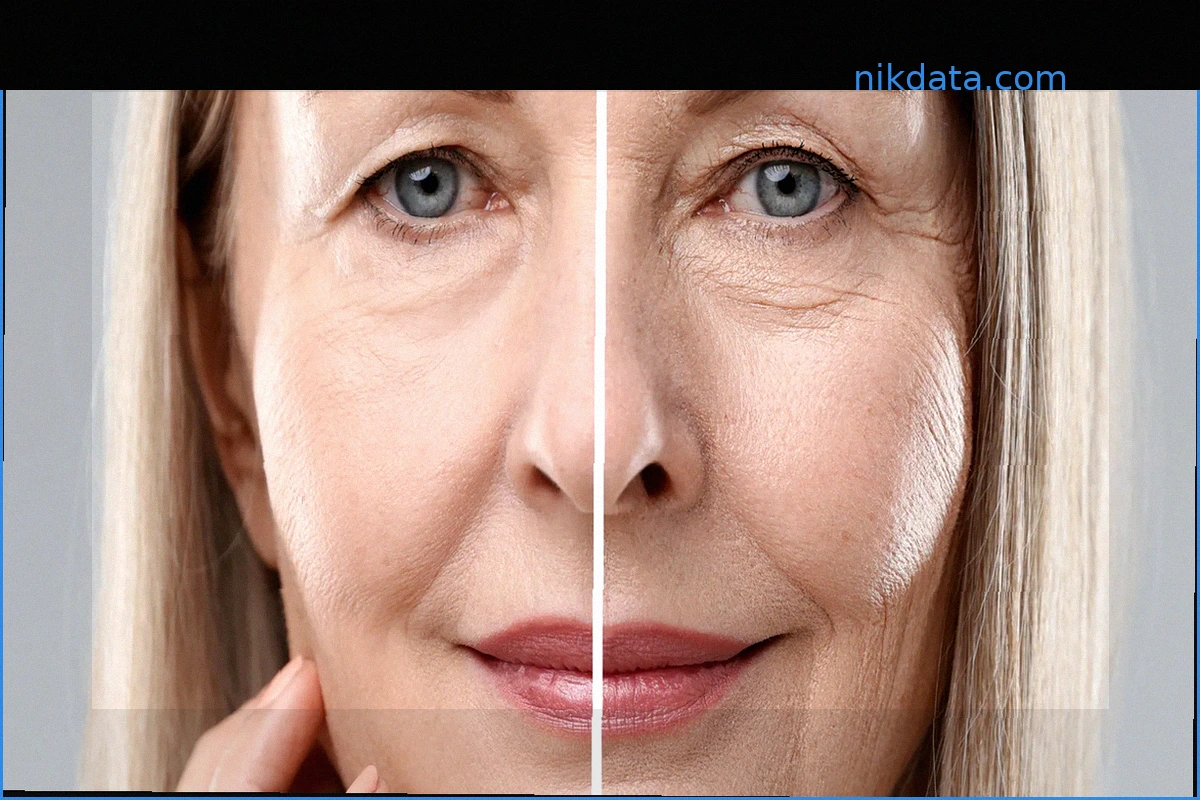
Dietary Changes May Reverse Biological Age in Older Adults Within 4 Weeks
Significant shifts in biological age markers are achievable for older adults in a remarkably short period, driven solely by dietary modifications. New findings from the University of Sydney indicate that Australians aged 65 to 75 who reduced either dietary fat or animal-based protein displayed
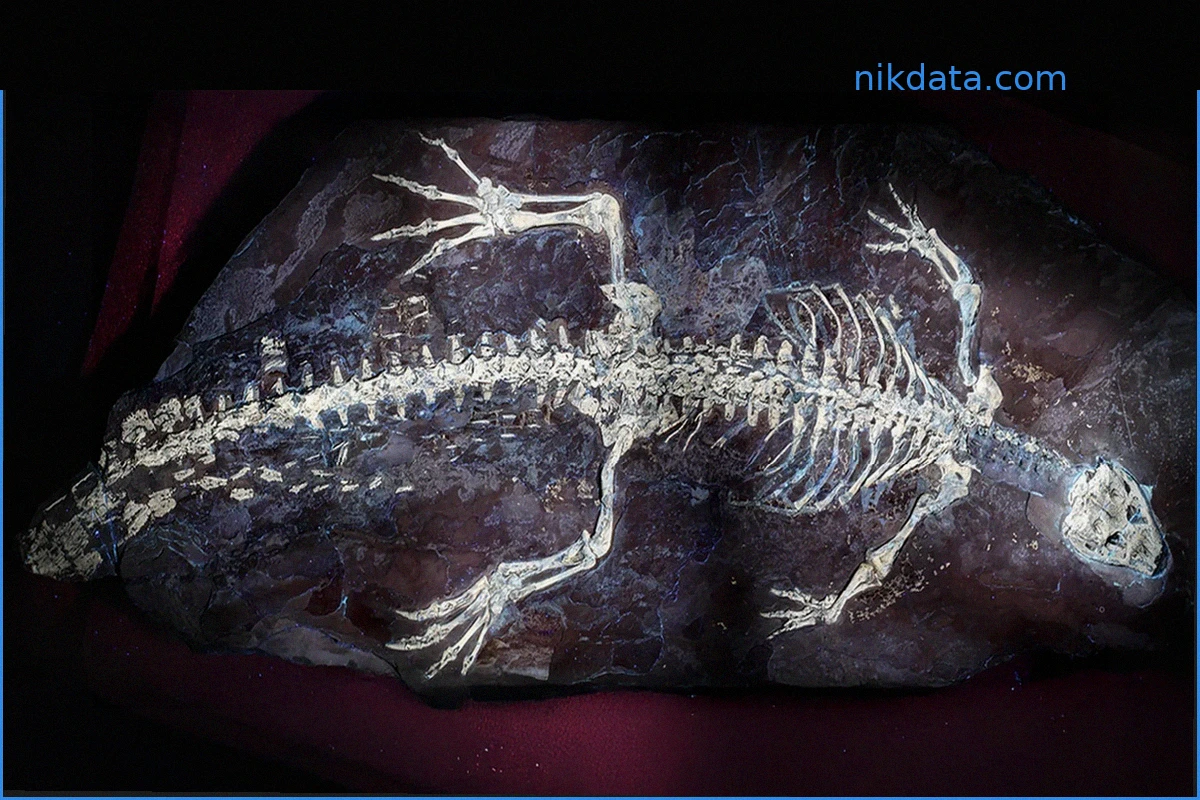
UV Light Reveals Possible Camouflage on 125-Million-Year-Old Crocodile Fossil
A remarkably preserved fossil from northeastern Spain offers a rare glimpse into the skin, soft tissues, and potential coloration of an ancient crocodile relative that lived approximately 125 million years ago. This new research, detailed in the Zoological Journal of the Linnean Society,
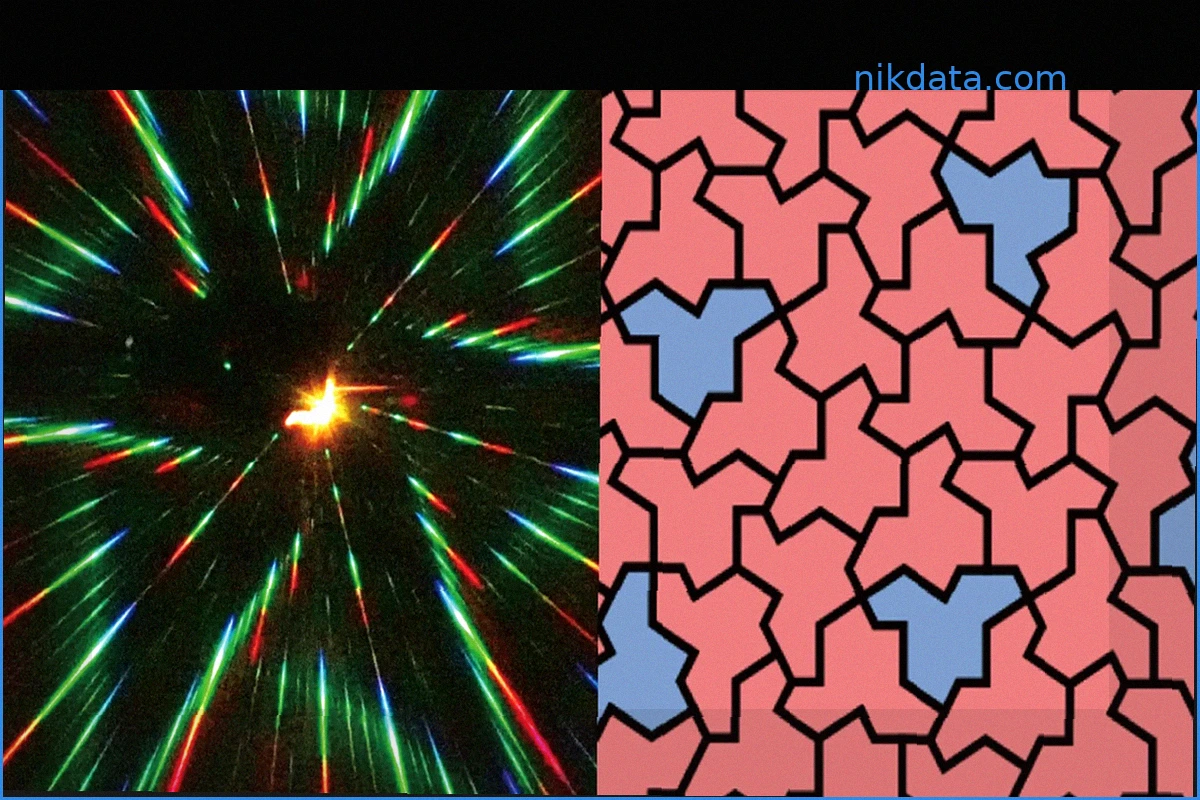
The Einstein Problem's Shape Reveals New Physics Through Light Patterns
A mathematical shape, famous for solving a decades-old puzzle, is now showing an unexpected link to physics. Structures based on this shape can make light form unusual chiral patterns, opening new avenues for studying how geometry affects optical behavior. Researchers from the Institute of

Screen Time's Unexpected Link to Kids' Cognitive Skills
A Finnish study has uncovered an unexpected correlation between screen usage and cognitive capabilities. Children who spent more time in front of screens as they grew tended to exhibit enhanced cognitive processing during their adolescent years. One of the lead researchers advises agai
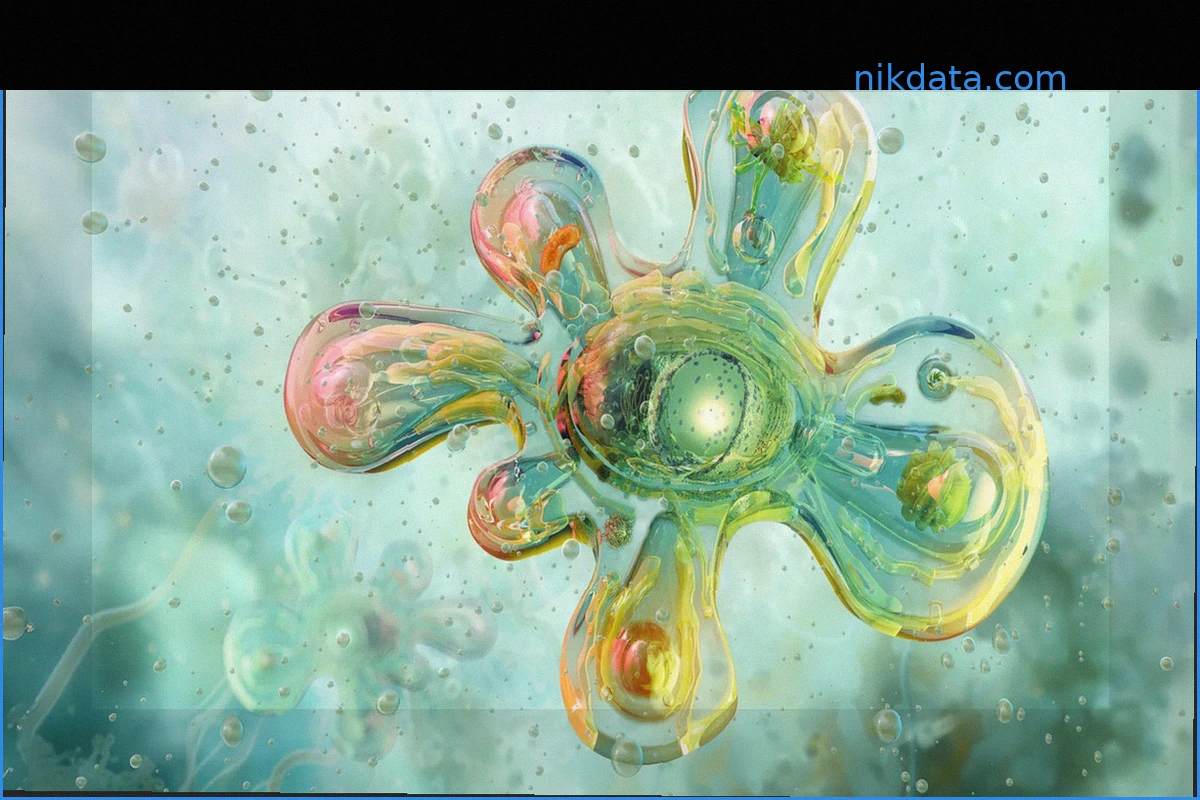
Tiny Fossils Reveal Secrets of Complex Life's Origin
While the hunt for life on Mars or distant icy moons often grabs headlines, a profound mystery about the emergence of complex life is unfolding much closer to home. Scientists are diligently working to pinpoint when the first eukaryotes appeared on Earth and how these pivotal organisms paved