Gut Microbes' Fiber Dependence: When They Turn Inward
Plant-based diets offer numerous health benefits, including positive effects on the gut, immune system, metabolism, and cardiovascular health. A key factor in these benefits is fostering a diverse gut bacterial population. It's well-established that dietary fiber plays a crucial role, as gut microbes are essential for its breakdown. Plants also contain beneficial phytochemicals that offer protection and may influence human well-being. Nevertheless, scientists are still actively investigating the intricate ways gut bacteria process plant food components and how these interactions contribute to positive health outcomes.
Two recent studies, spearheaded by Jenna AbuSalim and Director Joshua Rabinowitz from Ludwig Princeton, shed new light on this process. One study, published in the Proceedings of the National Academy of Sciences, and the other in Nature Metabolism, reveal significant findings. The first study demonstrates that plant fiber and certain plant proteins can alter microbial metabolism, leading to an increase in beneficial metabolites and a decrease in harmful ones. The second study highlights that several important biologically active metabolites, previously attributed solely to gut microbes, can also be produced in considerable amounts by mammalian metabolism.
"There is a growing interest across various medical fields in manipulating the human microbiome or utilizing its metabolic products for therapeutic purposes," stated Rabinowitz. "Diet holds immense potential for controlling the microbiome and its outputs. However, to develop effective therapeutic interventions, we must understand precisely which dietary aspects influence which microbial outputs."
How Plant Foods Alter Gut Metabolites
In the PNAS study, Rabinowitz, AbuSalim, and their colleagues investigated how plant-based foods affect phenol metabolites. Gut bacteria produce these compounds through the digestion of amino acids tyrosine and phenylalanine, with the resulting metabolites having diverse effects on health. Phenylpropionate and hippuric acid, produced when bacteria process phenylalanine, are linked to gut health and a healthy body weight. Conversely, p-cresol sulfate and phenol sulfate, derived from tyrosine, have been associated with poorer outcomes in cancer patients and systemic toxicity in individuals with kidney disease.
"Our research indicates that both plant fiber and indigestible plant proteins—which we term 'proteins imitating fiber,' or Prif—shift the balance of phenol metabolites from the harmful tyrosine-derived compounds to the beneficial phenylalanine-derived ones," explained AbuSalim.
While fiber has long been recognized as a vital dietary component, indigestible plant proteins have received less attention. AbuSalim, Rabinowitz, and their team discovered that these proteins are processed by gut microbes and can influence both the composition of the microbiome and the host's metabolism. Working in conjunction with indigestible plant fiber, they can also modify the metabolic activity of gut bacteria to favor the production of beneficial phenols.
When Gut Bacteria Target the Gut Lining
To determine the origin of these compounds, researchers utilized stable isotopes to label proteins and tracked their digestion in mouse guts. They observed that "bad" phenols were produced when bacteria consumed host proteins, including those found in the gut's mucus lining. In contrast, beneficial phenols were almost entirely derived from dietary indigestible proteins (Prif).
Fiber was found to reduce the bacterial breakdown of the gut's mucus lining, consequently lowering the production of harmful phenols. Prif, on the other hand, increased the amount of dietary protein available to gut microbes, providing them with more material for producing beneficial phenols.
"We believe Prifs represent an emerging class of dietary nutrients that shape the gut microbiome's composition and could have a significant impact on metabolic health," stated AbuSalim. Rabinowitz added, "Food packaging might eventually list Prif alongside fiber."
Rethinking the Origins of Gut Metabolites
The Nature Metabolism study explored the origins of phenol metabolites as well as indole metabolites, which are produced from the amino acid tryptophan. Similar to phenols, indoles are being investigated for their potential therapeutic value. Indole metabolites have been linked to various diseases, including inflammatory bowel disease, neurodegenerative disorders, and cancer, where they influence processes like metastasis and anti-tumor immune responses.
It was generally assumed that phenols and indoles were solely produced by gut bacteria. However, AbuSalim, Rabinowitz, and their colleagues decided to challenge this notion. Researchers have shown particular interest in dietary and probiotic approaches aimed at increasing beneficial indole metabolites. Yet, these strategies may require re-evaluation if mammalian metabolism, rather than microbes, is responsible for a substantial portion of these circulating compounds.
Through isotope tracing experiments in mice, rats, and human cells, the researchers discovered that mammalian metabolism can independently produce many indole and phenol metabolites, including important compounds like indole-3-lactate and indole-3-acetate.
In mice, circulating levels of these metabolites remained elevated even after antibiotic treatment disrupted the microbiome. A similar pattern was observed in samples from patients undergoing antibiotic treatment, including cancer patients. Concurrently, metabolites exclusively produced by microbes, such as indole-3-propionate and p-cresol sulfate, decreased following antibiotic therapy.
New Insights for Diet and Microbiome Therapies
Collectively, these two studies offer a clearer understanding of the origins and production pathways of phenol and indole metabolites. The findings could significantly influence the development of therapies designed to increase or decrease specific metabolites. They also enrich our knowledge of how diet interacts with the microbiome. Identifying foods that influence particular microbial products may eventually enable researchers to design more targeted dietary, probiotic, or metabolic interventions.
"Furthermore," Rabinowitz concluded, "a clearer understanding of how different foods interact with the microbiome to modulate the production of bacterial metabolites will refine the guidance nutritionists and doctors can provide for disease prevention and therapy."
Fresh materials — Science news

GLP-1 Medications in Children Linked to Nutritional Deficiencies
Children prescribed GLP-1 medications for weight loss, prediabetes, or type 2 diabetes may face a significant nutritional risk. A study published in Childhood Obesity identified that almost 17% of young patients (16.8%) were diagnosed with a nutritional deficiency within their first year of tr

Dietary Changes May Reverse Biological Age in Older Adults Within 4 Weeks
Significant shifts in biological age markers are achievable for older adults in a remarkably short period, driven solely by dietary modifications. New findings from the University of Sydney indicate that Australians aged 65 to 75 who reduced either dietary fat or animal-based protein displayed
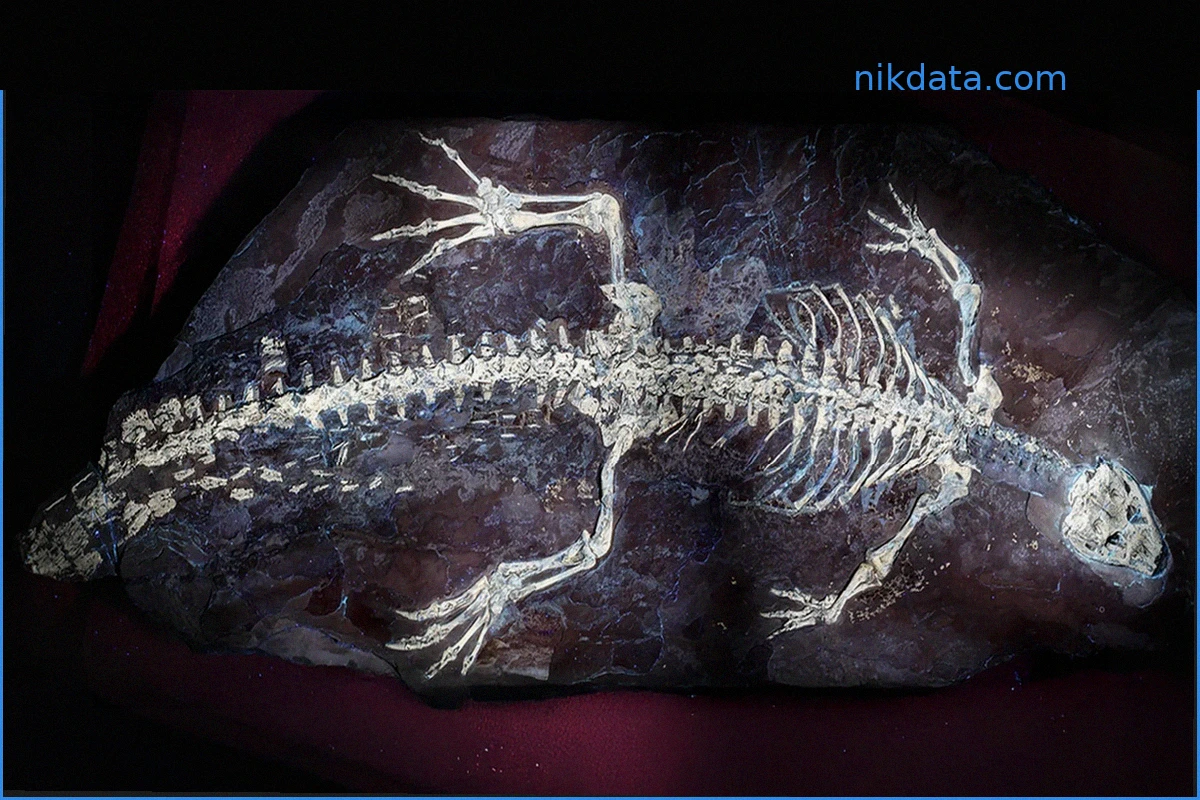
UV Light Reveals Possible Camouflage on 125-Million-Year-Old Crocodile Fossil
A remarkably preserved fossil from northeastern Spain offers a rare glimpse into the skin, soft tissues, and potential coloration of an ancient crocodile relative that lived approximately 125 million years ago. This new research, detailed in the Zoological Journal of the Linnean Society,

The Einstein Problem's Shape Reveals New Physics Through Light Patterns
A mathematical shape, famous for solving a decades-old puzzle, is now showing an unexpected link to physics. Structures based on this shape can make light form unusual chiral patterns, opening new avenues for studying how geometry affects optical behavior. Researchers from the Institute of

Screen Time's Unexpected Link to Kids' Cognitive Skills
A Finnish study has uncovered an unexpected correlation between screen usage and cognitive capabilities. Children who spent more time in front of screens as they grew tended to exhibit enhanced cognitive processing during their adolescent years. One of the lead researchers advises agai

Tiny Fossils Reveal Secrets of Complex Life's Origin
While the hunt for life on Mars or distant icy moons often grabs headlines, a profound mystery about the emergence of complex life is unfolding much closer to home. Scientists are diligently working to pinpoint when the first eukaryotes appeared on Earth and how these pivotal organisms paved