World's First Superconducting Quantum Heat Engine Could Help Unlock Massive Quantum Computers
A groundbreaking superconducting quantum heat engine has been developed, offering the potential to significantly advance our understanding of thermodynamics at the quantum level and accelerate the development of large-scale quantum computers. Researchers at Aalto University have successfully demonstrated the first cyclic quantum heat engine constructed within a superconducting circuit.
This pioneering experiment bridges the gap between quantum mechanics, which governs the behavior of subatomic particles, and thermodynamics, which describes energy in macroscopic systems. The fusion of these fields prompts crucial questions about how quantum phenomena like tunneling, entanglement, and superposition influence traditional thermodynamic processes.
A Quantum-Designed Heat Engine
Traditional heat engines convert heat into usable work, a principle fundamental to technologies from James Watt's steam engine to modern transportation and power generation. The newly created superconducting quantum heat engine is an exceptionally small device incorporating a transmon qubit, a resonator, and a quantum refrigerator.
Operating under extremely cold quantum conditions, this engine demonstrated the ability to repeatedly generate positive work from minimal heat. This achievement of cyclic operation is a key milestone for quantum heat engine research and serves as a proof of concept for superconducting heat engines that could enhance quantum computing capabilities.
Recreating the Otto Cycle at Near Absolute Zero
The researchers successfully implemented an Otto cycle, a thermodynamic process commonly found in car engines, within a superconducting circuit. "In our experiment, we built a nanofabricated heat engine using superconducting circuits and operated it in a cryostat near absolute zero. At its heart is a transmon qubit, one of the basic building blocks of modern quantum technologies," explained Tuomas Uusnäkki, the study's lead author.
By connecting the transmon qubit to a quantum circuit refrigerator, the team gained control over heat flow at the quantum scale, proving that this heat could be converted into measurable work. Uniquely, this system utilizes a single quantum refrigerator for both heating and cooling, unlike conventional engines that require separate hot and cold reservoirs. "Our quantum-circuit refrigerator can be tuned to both heat and cool the qubit on demand. Using carefully timed control pulses, we drove the engine in an Otto cycle and monitored the qubit state as the engine ran," Uusnäkki elaborated.
Experimental measurements confirmed that heat flow through the qubit during the cycle produced positive work. "This is the first experimental demonstration of a cyclic quantum heat engine in superconducting circuits. Using a single controllable quantum refrigerator as both the hot and cold environment of the engine makes it simpler and more versatile," Uusnäkki added.
Advancing Towards Autonomous Quantum Computer Hardware
The research team is now focused on refining the design to create a fully autonomous heat engine. A significant potential application lies in reading out qubits without the need for complex microwave pulse transmission from extremely cold temperatures to room temperature. This capability would be invaluable for the scaling of quantum computers.
Integrated autonomous devices within superconducting circuits could drastically reduce the cost and complexity associated with quantum machines containing vast numbers of qubits. Professor Mikko Möttönen highlighted the future vision: "Finland's Quantum Technology Strategy envisions a quantum computer with one thousand logical qubits by 2035, which probably means hundreds of thousands of physical qubits. Doing that with current technology requires millions of microwave cables costing thousand euros each. The cables also introduce noise into the system. Using autonomous devices instead would mostly eliminate the need for those cables."
Therefore, minimizing reliance on microwave connections addresses two critical challenges: the immense hardware demands of large quantum computers and the detrimental noise that can interfere with quantum systems. This groundbreaking research was conducted using OtaNano, Finland's national research infrastructure for nano, micro, and quantum technology, with funding from the Research Council of Finland and the Finnish Cultural Foundation.
Fresh materials — Science news

GLP-1 Medications in Children Linked to Nutritional Deficiencies
Children prescribed GLP-1 medications for weight loss, prediabetes, or type 2 diabetes may face a significant nutritional risk. A study published in Childhood Obesity identified that almost 17% of young patients (16.8%) were diagnosed with a nutritional deficiency within their first year of tr

Dietary Changes May Reverse Biological Age in Older Adults Within 4 Weeks
Significant shifts in biological age markers are achievable for older adults in a remarkably short period, driven solely by dietary modifications. New findings from the University of Sydney indicate that Australians aged 65 to 75 who reduced either dietary fat or animal-based protein displayed
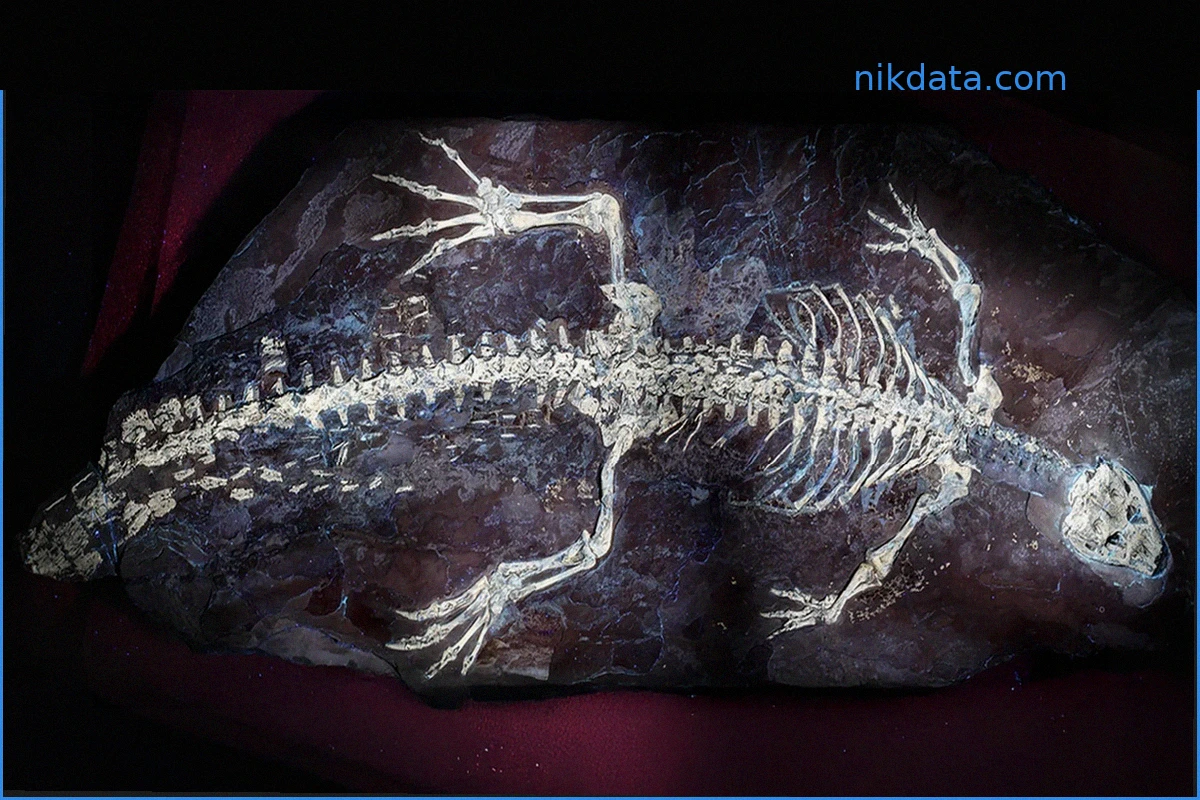
UV Light Reveals Possible Camouflage on 125-Million-Year-Old Crocodile Fossil
A remarkably preserved fossil from northeastern Spain offers a rare glimpse into the skin, soft tissues, and potential coloration of an ancient crocodile relative that lived approximately 125 million years ago. This new research, detailed in the Zoological Journal of the Linnean Society,
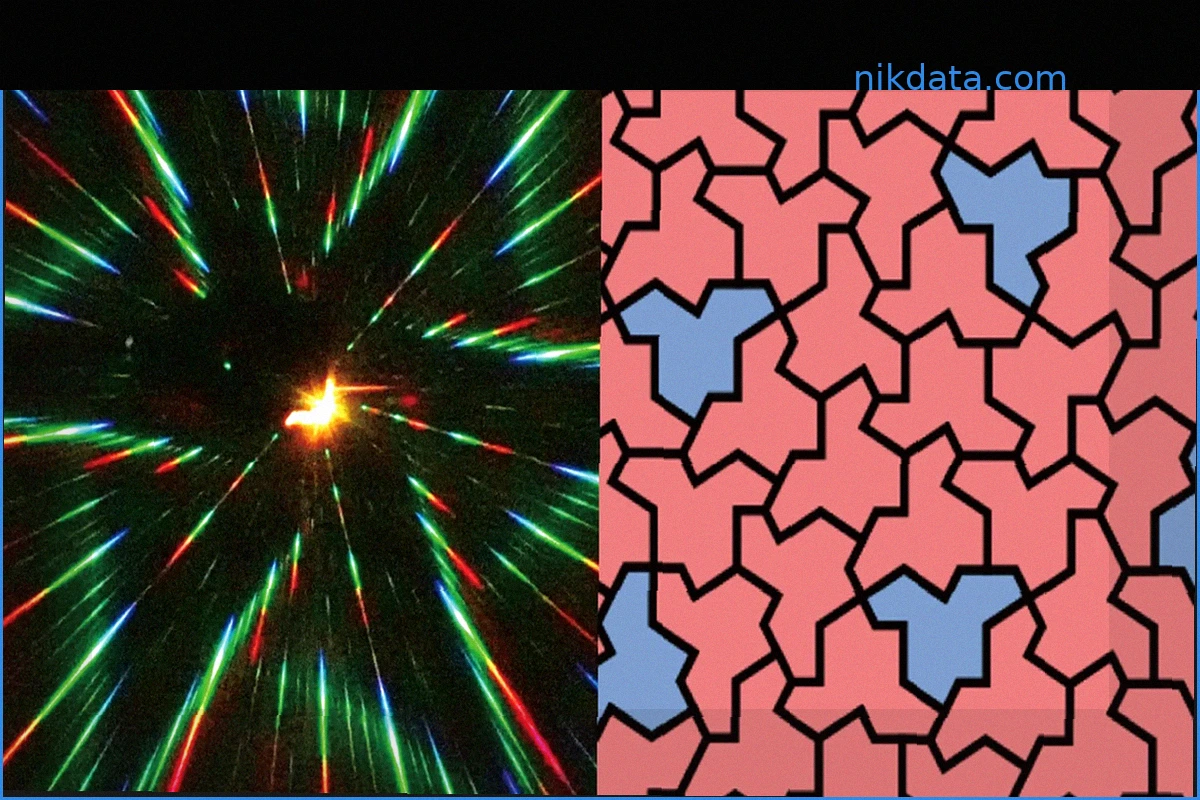
The Einstein Problem's Shape Reveals New Physics Through Light Patterns
A mathematical shape, famous for solving a decades-old puzzle, is now showing an unexpected link to physics. Structures based on this shape can make light form unusual chiral patterns, opening new avenues for studying how geometry affects optical behavior. Researchers from the Institute of
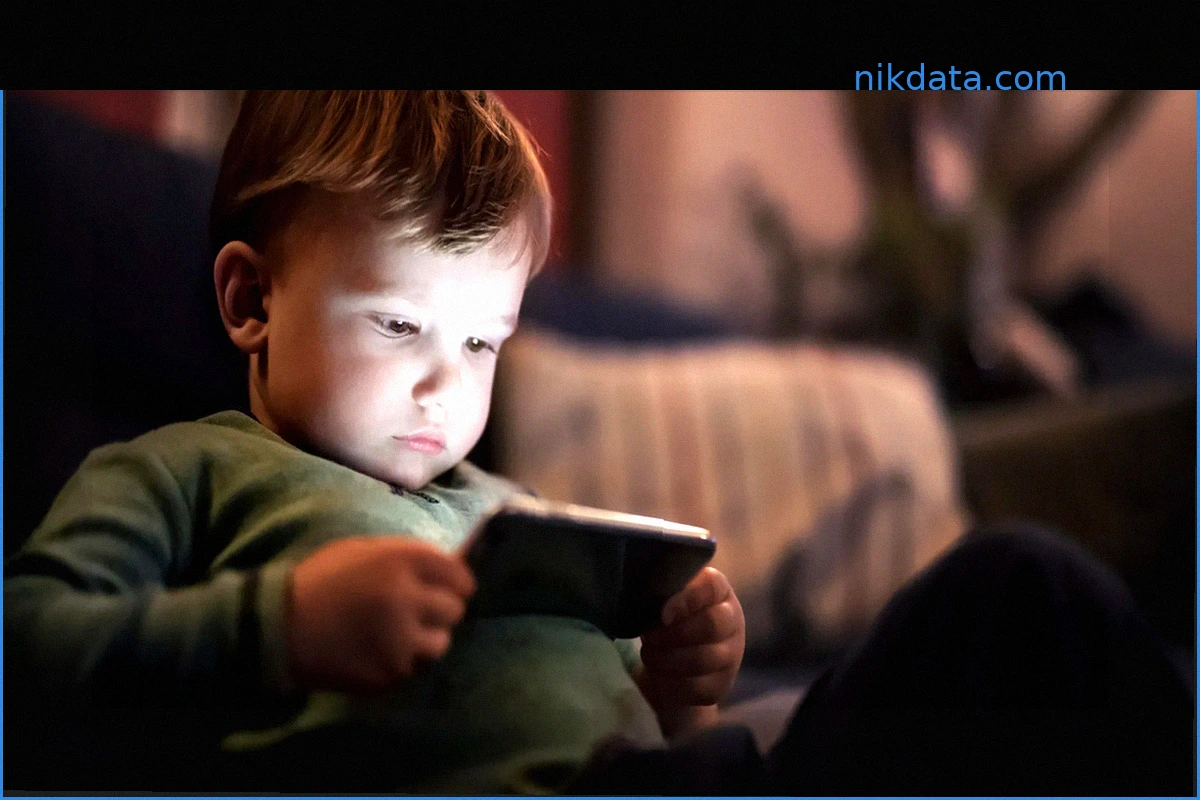
Screen Time's Unexpected Link to Kids' Cognitive Skills
A Finnish study has uncovered an unexpected correlation between screen usage and cognitive capabilities. Children who spent more time in front of screens as they grew tended to exhibit enhanced cognitive processing during their adolescent years. One of the lead researchers advises agai

Tiny Fossils Reveal Secrets of Complex Life's Origin
While the hunt for life on Mars or distant icy moons often grabs headlines, a profound mystery about the emergence of complex life is unfolding much closer to home. Scientists are diligently working to pinpoint when the first eukaryotes appeared on Earth and how these pivotal organisms paved